
Understanding & Using Metal Jig Lures Effectively
Dive deep into metal jig fishing. Learn how to select the right jig, master casting and retrieving techniques, and target various species for success.
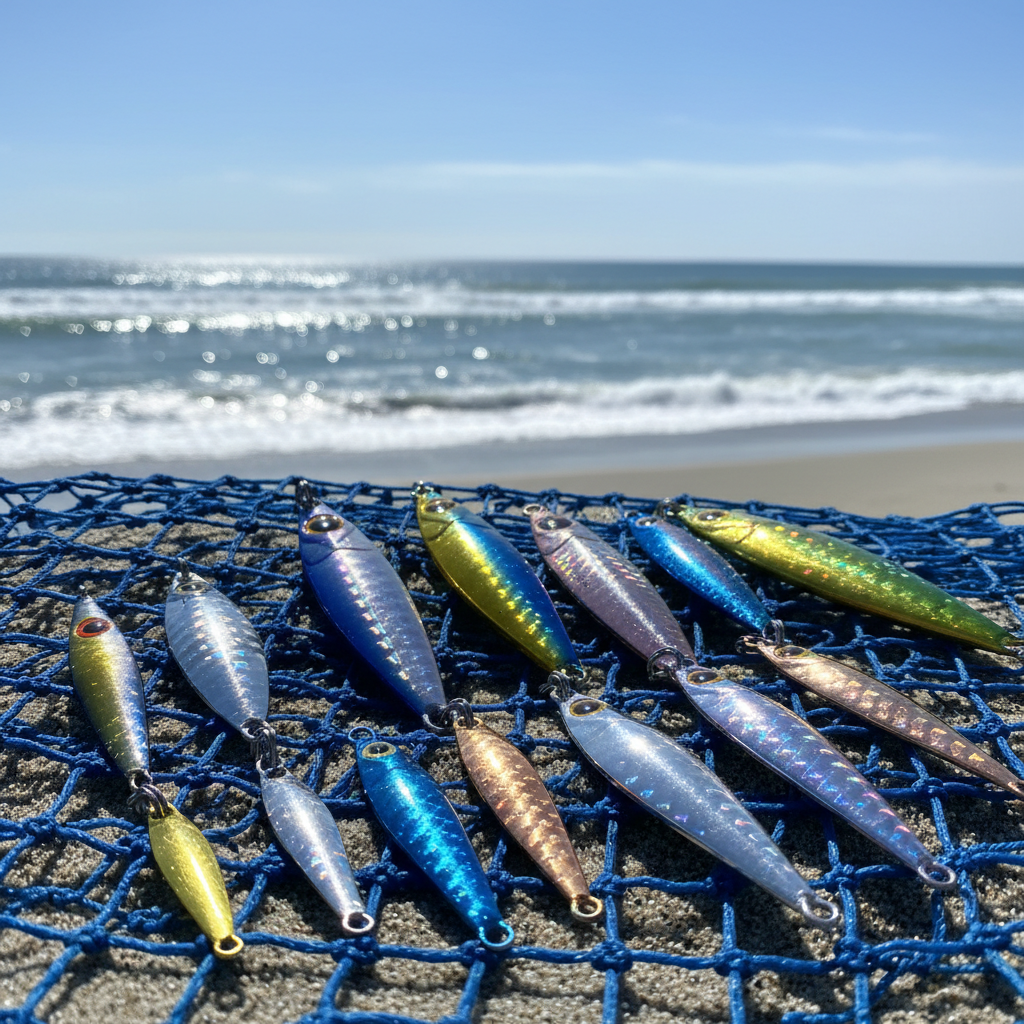
Understanding & Using Metal Jig Lures Effectively
Metal jig lures are a powerful weapon in any angler's tackle box, renowned for their incredible versatility and ability to attract a wide range of predatory fish. From swift-moving pelagics like tuna and kingfish to bottom-dwelling species such as snapper and grouper, metal jigs can be incredibly effective when used correctly. Their sleek, hydrodynamic design allows for long casts and rapid descent, making them ideal for reaching fish holding at various depths. But mastering the metal jig isn't just about dropping and reeling; it involves understanding the nuances of retrieve, jigging patterns, and selecting the right lure for the job.
The Anatomy of a Metal Jig
At its core, a metal jig is essentially a weighted piece of metal, often designed to mimic baitfish. However, their variations are vast:
- Weight & Profile: Jigs come in various weights and profiles. Heavier, more streamlined jigs are excellent for deep water or strong currents, allowing for faster sinking and longer casts. Lighter, broader jigs may have a more fluttering action on the drop.
- Shape: Some jigs are designed for vertical jigging, with a more symmetrical profile, while others are tail-weighted for casting and a more erratic retrieve. The Premium 20g Metal Jig Fishing Lure, for example, is crafted for long casts and aggressive strikes, showcasing a design optimized for action.
- Color & Finish: From natural baitfish patterns to bright, fluorescent colors, the finish plays a crucial role. Glow-in-the-dark jigs are excellent for low-light conditions or deep water.
Casting & Retrieving Techniques for Metal Jigs
The Standard Cast & Retrieve
This is perhaps the most common way to use metal jigs. Cast your jig as far as possible, let it sink to your desired depth (or retrieve immediately if targeting surface feeders), and then retrieve with varying speeds. Incorporate pauses, twitches of the rod tip, and changes in retrieve speed to make the jig appear like an injured or fleeing baitfish. The erratic action often triggers strikes.
Vertical Jigging
When fishing directly over structure or schools of fish marked on your sonar, vertical jigging comes into play. Drop the jig to the desired depth and use a series of lifts and drops with your rod. The cadence can vary: sharp, aggressive lifts followed by a brief free-fall, or more subtle, subtle movements. Pay attention to what the fish prefer on any given day.