
Top Lures for Catching Zander: A Comprehensive Guide
Uncover the best lures and techniques for targeting zander. Learn about jigging, twitching, and retrieving to hook this elusive freshwater predator.
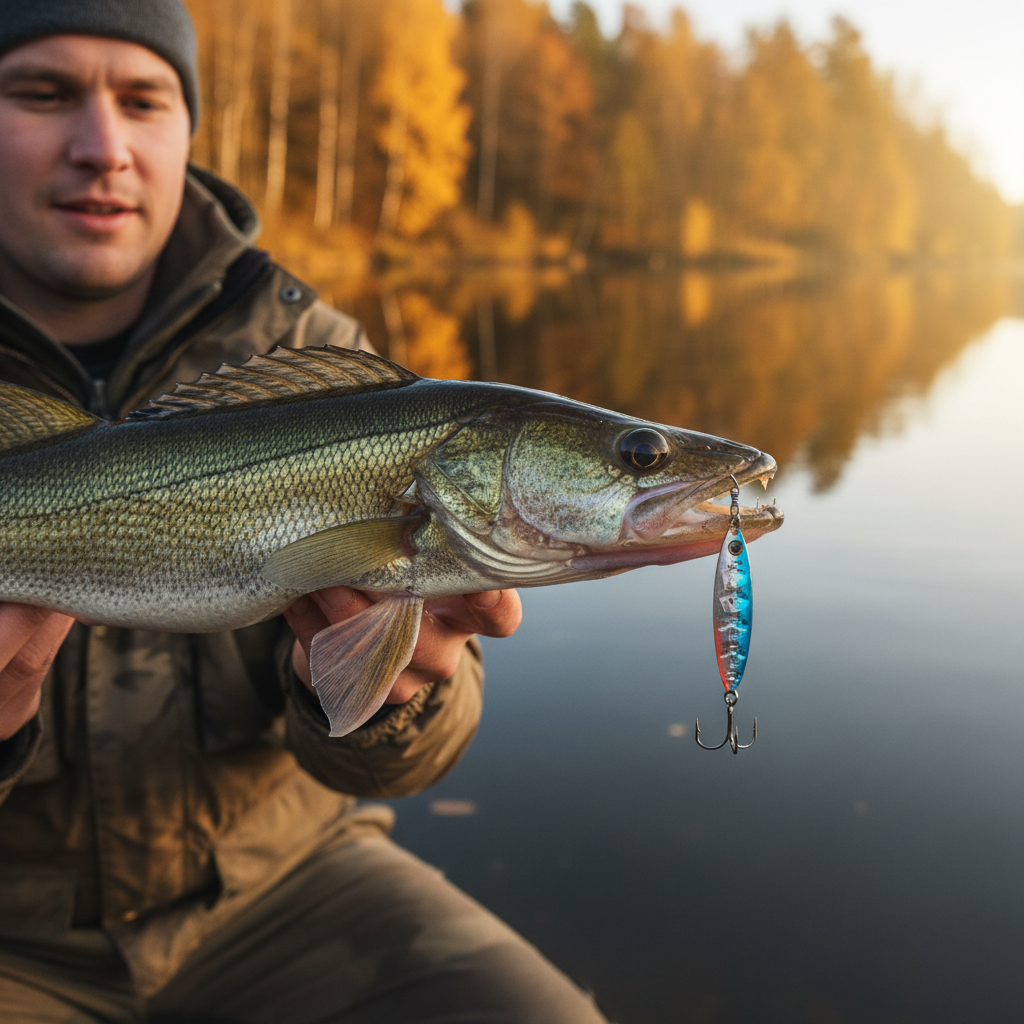
Unlock the Mystery: Your Guide to Catching Zander with the Right Lures
Zander, often called the 'pike-perch,' are a mysterious and rewarding species for any angler. Known for their powerful strikes and delicious flesh, these freshwater predators can be elusive, but with the right lures and techniques, you can significantly increase your chances of success. This guide will walk you through the top lures and methods to entice zander into biting.
Understanding Zander Behavior
Before diving into lures, it's essential to understand what makes zander tick. They are primarily nocturnal or crepuscular (active during dawn and dusk) feeders, preferring low light conditions and often residing in deeper, murkier waters, especially in lakes and slow-moving rivers. Zander are sight feeders, but they also rely heavily on vibration and their lateral line to detect prey in their often turbid environments.
Key Zander Habits:
- Habitat: Deep channels, drop-offs, submerged structures, weed lines, and areas with good current.
- Diet: Small baitfish like roach, perch, and bleak.
- Strike: Often a sudden, aggressive thump or a gentle tug followed by a powerful run.
The Go-To Lures for Zander
Matching your lure to the zander's preferred prey and habitat is crucial. Here are the top categories of lures that consistently perform well for zander:
1. Soft Plastic Shads and Grubs:
These are arguably the most effective lures for zander. Their versatile action can imitate a distressed baitfish, and they come in countless shapes, sizes, and colors.
- How to Rig: Typically rigged on a jig head. The weight of the jig head depends on depth and current.
- Technique: Vertical jigging directly under the boat or casting and slowly retrieving with a lift-fall action along the bottom. Zander often strike on the fall.
- Color Tips: Natural baitfish colors (perch, roach, silver) are excellent during the day. For low light or murky water, experiment with brighter colors like chartreuse, orange, or white.
2. Crankbaits/Minnow Plugs:
Shallow-diving and deep-diving crankbaits are highly effective, especially when zander are feeding actively higher in the water column or near structures. Look for baits with a tight, wobbling action that mimics a struggling baitfish.
- How to Use: Cast out and retrieve steadily, or incorporate pauses and twitches. They are also excellent for trolling.
- Depth Control: Match the diving depth of your crankbait to the depth where zander are holding.
- Recommendations: The Premium Bionic Minnow Fishing Lure is an excellent choice, offering realistic swim action that irresistible to zander.
3. Metal Jigs:
When zander are holding deep or you need to cover water quickly, metal jigs are invaluable. Their compact size and weight allow for long casts and rapid descent.
- Technique: Vertical jigging is paramount. Drop the jig to the bottom, then lift it sharply a foot or two before letting it flutter back down on a semi-slack line. Pay close attention to the fall, as many strikes occur then.
- Weight: The Premium 20g Metal Jig Fishing Lure is an ideal weight for targeting zander in various depths, offering excellent casting distance and a tempting fall.
- Colors: Silver, blue, and sardine patterns work well, mimicking small prey fish.
4. Spinnerbaits (Situational):
While less common than soft plastics or crankbaits, spinnerbaits can be surprisingly effective in areas with dense vegetation or when zander are aggressive. The flash and vibration can trigger reaction strikes.
- Technique: Slow roll them along the edges of weed beds or through submerged timber.
Mastering the Retrieve
Zander are not always the most aggressive biters. Patience and varied retrieves are crucial.
- Slow and Steady: Often, a slow, methodical retrieve is best, especially with soft plastics along the bottom.
- Lift and Fall: This is the bread and butter for jigging. Let the lure hit the bottom, lift, and let it fall again. Most takes happen as the lure descends.
- Subtle Twitches: For crankbaits, small twitches of the rod tip can impart a natural, erratic movement that mimics a wounded baitfish.
- Vary Depth: Don't be afraid to experiment with different depths in the water column until you find where the zander are feeding.
When to Go Zander Fishing
While you can catch zander year-round, the prime times are generally:
- Spring and Autumn: As water temperatures change, zander become more active.
- Evenings and Mornings: Their crepuscular nature means these low-light periods are often most productive.
- Overcast Days: Zander prefer dim conditions, so cloudy days can be excellent.
By equipping yourself with the right selection of lures, like the versatile Premium Bionic Minnow or the effective Premium 20g Metal Jig, and understanding the nuances of zander behavior and retrieve techniques, you'll be well on your way to consistent success with this fascinating predator. Tight lines!