The Ultimate Guide to Choosing & Using Spinner Lures
Discover the magic of spinner lures for all types of fish! Learn selection tips, retrieval techniques, and how to maximize your catch rate.
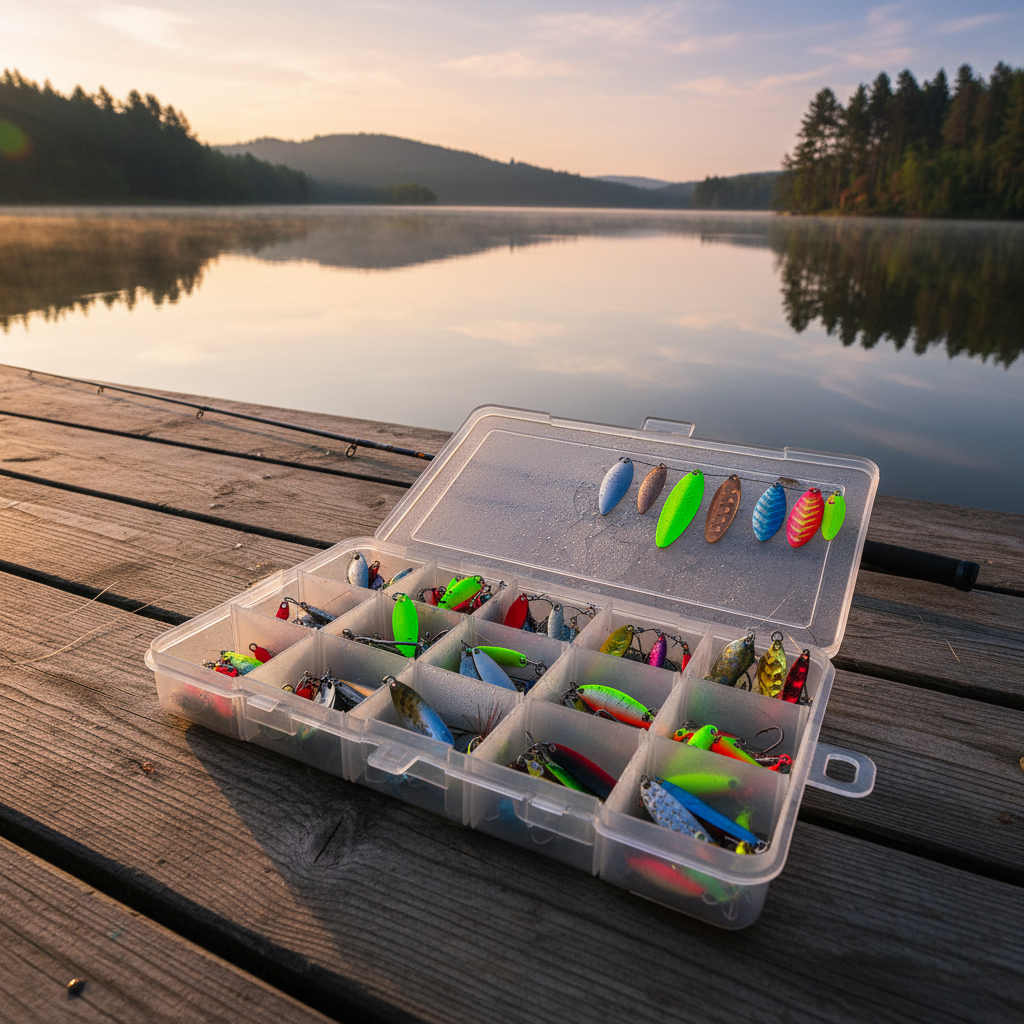
Spinner lures are an absolute staple in any angler's tackle box, and for good reason! Their irresistible flash and vibration make them incredibly effective at attracting a wide variety of fish species, from aggressive pike to cautious trout. If you want to boost your catch rate and enjoy a versatile fishing experience, understanding how to choose and use spinner lures is essential.
Why Spinners Are So Effective
Spinners work on a simple yet highly effective principle: they imitate fleeing baitfish. The spinning blade creates flash and vibrations in the water, mimicking the erratic movements of a struggling fish. This visual and auditory appeal triggers predatory instincts in many fish, making them an excellent choice for both freshwater and saltwater environments. They're also relatively easy to use, making them great for beginners and seasoned pros alike.
Anatomy of a Spinner Lure
Before diving into selection, let's quickly break down the components of a typical spinner lure:
- The Blade: This is the heart of the spinner, creating the flash and vibration. Blades come in various shapes (Colorado, Indiana, Willowleaf, French) and finishes (polished, painted, hammered).
- The Shaft/Wire: The central wire that holds all components together.
- The Body/Weight: Adds casting weight and can provide additional attraction with beads or painted designs.
- The Hook: Usually a treble hook, sometimes dressed with feathers or bucktail for added allure.
Choosing the Right Spinner Lure
With so many options available, picking the right spinner can seem daunting. Here's what to consider:
Blade Shape and Size
- Colorado Blades: Rounder and wider, they produce maximum vibration and a slower retrieve. Excellent for low-light conditions, murky water, or when fish are less active. Their strong thump is easily felt.
- Willowleaf Blades: Long and slender, they offer less vibration but a faster, more darting action. Ideal for clear water, faster retrieves, and deeper presentations. Great for imitating shad or minnows.
- Indiana Blades: A hybrid of Colorado and Willowleaf, providing a balance of flash and vibration. A good all-around choice.
- French Blades: Often found on classic Mepps-style spinners, these oval-shaped blades spin easily at slow speeds and offer consistent flash.
Consider the size of the blade relative to the fish you're targeting. Smaller blades for panfish and trout, larger blades for pike and bass.
Color and Finish
- Bright Colors (Chartreuse, Orange, Firetiger): Best for murky water, low light, or aggressive fish.
- Natural Colors (Silver, Gold, Copper): Mimic natural baitfish and are generally effective in clear water or sunny conditions.
- Darker Colors (Black, Brown): Can be effective in clear, bright conditions as a silhouette, or in very deep water.
- Hammered Finishes: Create more erratic flash, which can be particularly attractive.
Mastering Spinner Lure Techniques
Spinners are incredibly versatile, and a few basic retrieves will cover most situations:
The Steady Retrieve
This is the most common and often most effective method. Cast your spinner out and begin a steady retrieve, just fast enough to ensure the blade is spinning consistently. Vary your retrieve speed until you find what the fish prefer. Pay attention to any pauses or changes in direction, as these often trigger strikes.
The Stop-and-Go
Introduce pauses into your steady retrieve. Reel for a few seconds, then stop, letting the spinner flutter down briefly, then resume reeling. This erratic action can mimic a wounded baitfish and often entices hesitant fish to strike.
Jigging/Dropping
While not their primary use, some heavier inline spinners or spinnerbaits can be effectively jigged vertically or dropped into cover. Let the lure sink, then lift and drop your rod tip, allowing the blade to flash on the fall.
Essential Tips for Spinner Success
- Check Your Line Regularly: Spinners can cause line twist, especially with monofilament. Use a swivel (a good ball-bearing swivel is worth the investment) to minimize this.
- Vary Your Retrieve: Don't be afraid to experiment with speed, depth, and retrieve patterns. What works one day might not work the next.
- Target Structure: Cast spinners near weed lines, submerged logs, rock piles, drop-offs, and river currents where fish are likely to ambush prey.
- Consider a Trailer: For larger fish like pike or aggressive bass, a soft plastic grub or a feather/bucktail dressing on the hook can add bulk and appeal.
To get started with a diverse selection, check out the Premium 16-Piece Spinner Lure Kit. This kit provides a range of sizes and colors, perfect for experimenting and finding what works best in your local waters.
Spinner lures offer a fantastic blend of simplicity and effectiveness. By understanding their mechanics, selecting the right options, and employing various retrieve techniques, you'll be well on your way to enjoying countless successful fishing trips. So, grab a few spinners, head out, and experience the thrill of the strike!