
The Ultimate Guide to Choosing the Best Fishing Lures
Demystify fishing lures! Learn how to pick the perfect lure for your target fish, water conditions, and fishing style.
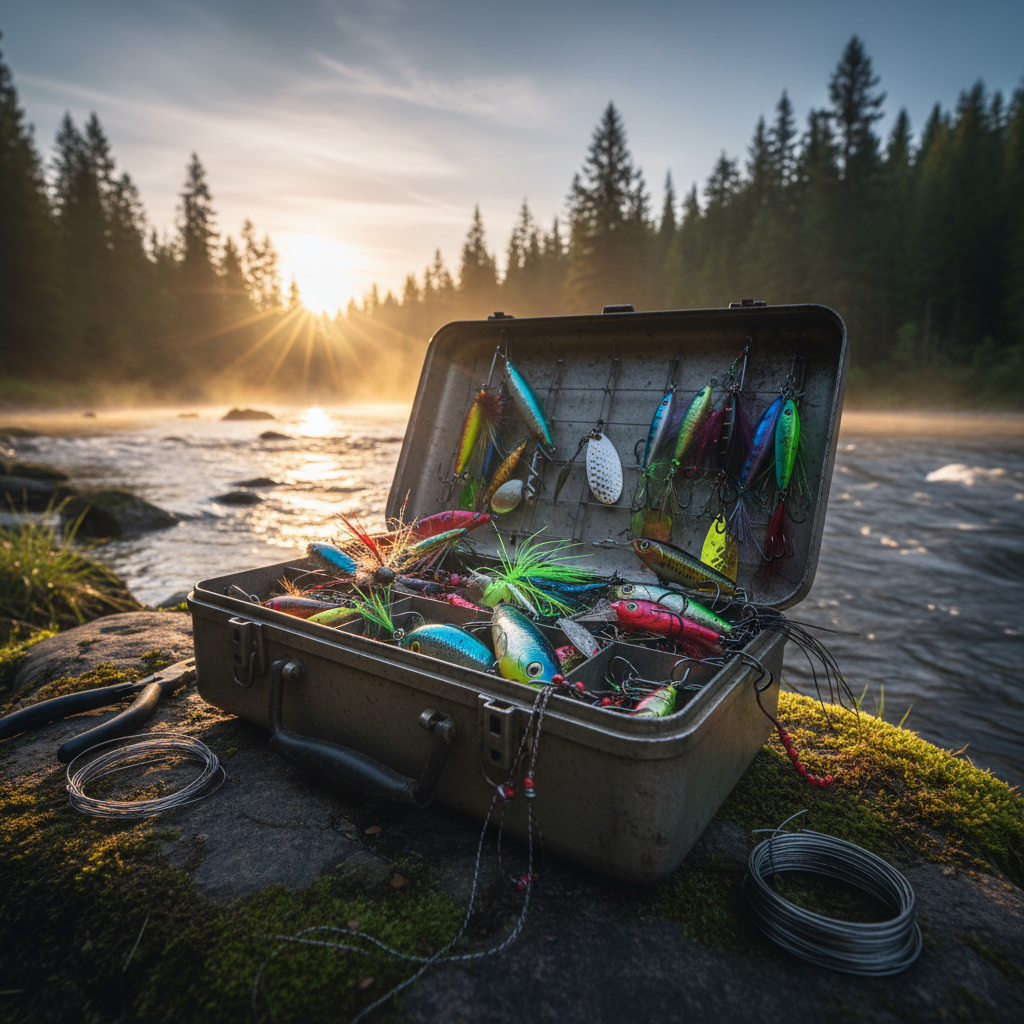
Choosing the right fishing lure can feel like navigating a maze, especially with the overwhelming variety available today. But fear not, angler! Understanding the basics of lure selection can dramatically improve your catch rate and make your time on the water more productive and enjoyable. This guide will break down the key factors to consider when stocking your tackle box.
Why Lure Choice Matters
A lure is designed to imitate prey, trigger a fish's predatory instincts, or simply annoy it into striking. The 'best' lure isn't a universal truth; it depends on a multitude of factors, including the type of fish you're targeting, the water conditions, time of year, and even your fishing style. Selecting the right lure increases your chances of a successful outing by presenting something irresistible to the fish.
Key Factors in Lure Selection
1. Target Fish Species
Every fish species has preferred prey and hunting behaviors. Trying to catch a trout with a giant musky lure, or vice versa, will likely lead to frustration.
- Bass: Love a wide variety, from crankbaits and spinnerbaits to jigs, plastic worms, and topwater lures.
- Trout: Respond well to smaller spinners, spoons, artificial flies, and micro jigs. The Premium 16-Piece Spinner Lure Kit is an excellent choice for trout.
- Pike/Musky: Require large, aggressive lures like oversized jerkbaits, swimbaits, large spoons, and spinnerbaits that can handle their powerful strikes.
- Walleye: Often targeted with jigs, crankbaits, and worm harnesses, especially when fished near the bottom.
- Saltwater Species: Depend heavily on the specific species (e.g., mackerel, tuna, redfish, snook). Metal jigs like the Premium 20g Metal Jig Fishing Lure are fantastic for many saltwater predators due to their casting distance and erratic action.
2. Water Conditions
The clarity, depth, and temperature of the water play a crucial role in lure visibility and fish behavior.
- Water Clarity:
* Clear Water: Natural colors and subtle presentations are often best. Fish rely on sight more, so realistic patterns are key. Fluorocarbon leaders are also beneficial.
* Murky/Stained Water: Brighter colors (chartreuse, orange, firetiger), lures with strong vibrations, or those that create a lot of noise are effective. Fish rely more on their lateral line and sound.
- Water Depth:
* Shallow Water: Topwater lures, shallow-diving crankbaits, or weedless presentations are ideal.
* Deep Water: Jigs, deep-diving crankbaits, heavy spoons, and vertically jigged lures are necessary to reach fish holding close to the bottom.
- Water Temperature:
* Cold Water: Fish are often lethargic. Slow presentations with smaller, more subtle lures are usually best.
* Warm Water: Fish are more active. Faster retrieves, aggressive lures, and even topwater can be highly effective.
3. Time of Day and Weather
These factors influence light levels and fish activity.
- Bright Sun: Fish tend to seek shade or deeper water. Natural colors and lures that mimic bottom-dwelling prey can work. Alternatively, sometimes a bright, flashy lure can trigger a reaction strike.
- Cloudy/Overcast: Often excellent fishing conditions. Fish may be more active and willing to chase. This is a great time for brighter lures or those with good contrast.
- Low Light (Dawn/Dusk): Prime time for topwater and lures that create a strong silhouette or vibration.
4. Lure Action and Presentation
The way a lure moves in the water is critical. Different lures are designed for different actions:
- Crankbaits: Dive to specific depths and have a built-in wobble.
- Jigs: Best for vertical presentations, hopping along the bottom, or mimicking falling prey.
- Spinners & Spoons: Generate flash and vibration, irresistible to many predatory fish.
- Soft Plastics: Offer incredible versatility, allowing various rigging and retrieve styles to mimic worms, craws, or minnows.
Essential Lure Categories to Consider
Having a diverse tackle box will prepare you for various situations.
- Crankbaits: Essential for covering water and targeting different depths.
- Jigs: Versatile for bottom fishing, pitching into cover, and vertical presentations.
- Spinners & Spoons: Great for enticing fish with flash and vibration, especially effective for trout and panfish.
- Soft Plastics: Mimic a wide range of natural baits and can be rigged in countless ways.
- Topwater Lures: Unleash exciting surface strikes, particularly in low light.
Tips for Smart Lure Selection
- Start Simple: If you're new, begin with a few versatile lures and learn how to use them effectively.
- Match the Hatch: Try to use lures that imitate the local baitfish or insects that your target fish are feeding on.
- Experiment: Don't be afraid to change lures if what you're using isn't working. Sometimes a small adjustment makes all the difference.
- Check Local Reports: Fishermen in your area can offer valuable insights into what's currently working.
- Consider Water Movement: In rivers or current, lighter lures may get washed away too quickly, while heavy lures might sink too fast. Match the lure weight to the current.
By understanding these factors and thinking strategically about your lure choices, you'll spend less time guessing and more time catching. A well-chosen lure is more than just bait; it's a finely tuned tool designed to outsmart your next big catch. Happy fishing!