
The Ultimate Guide to Choosing and Using Spinner Lures
Maximize your catch with spinner lures! Learn about different types, techniques, and tips for freshwater trout, bass, pike, and more.
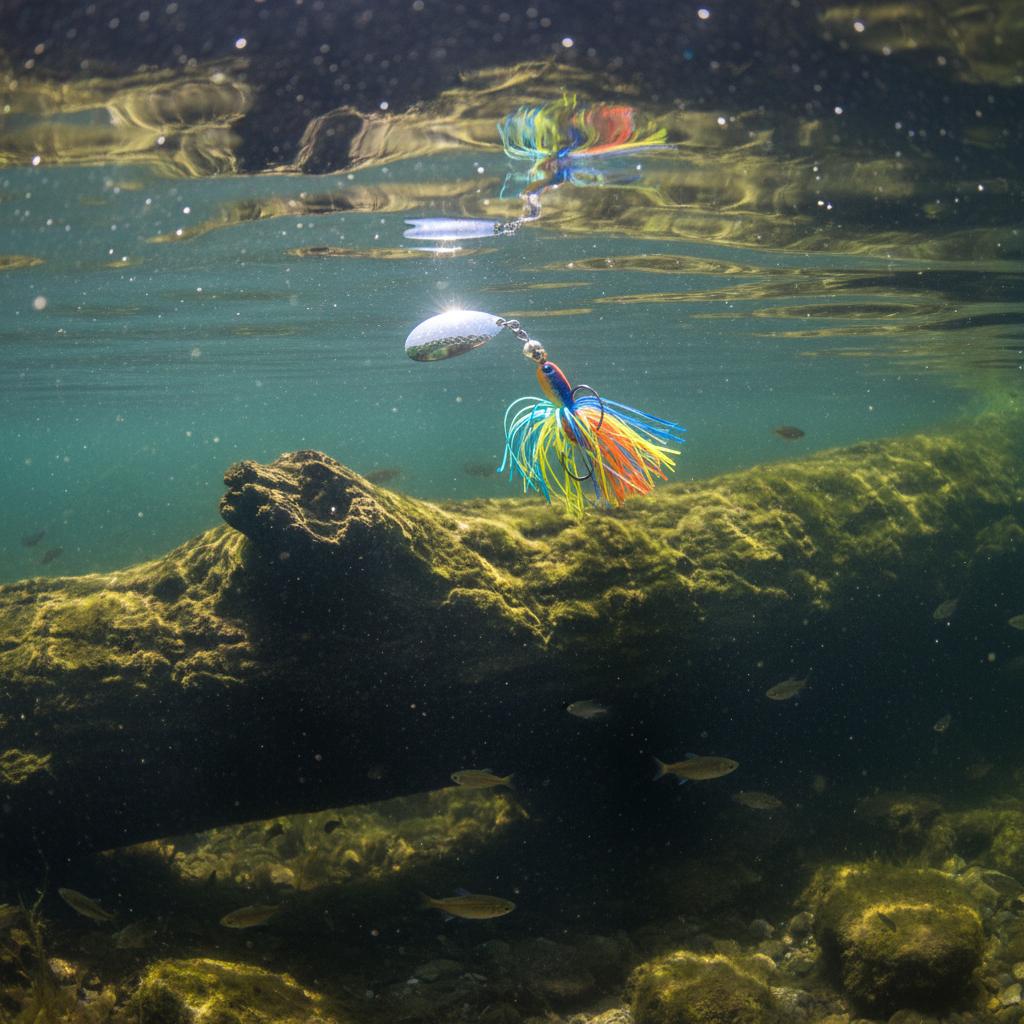
Spin into Success: Your Ultimate Guide to Spinner Lures
Spinner lures are a cornerstone in many anglers' tackle boxes, and for good reason. Their irresistible flash, vibration, and versatile nature make them incredibly effective across a wide range of species and conditions, from wary trout in clear streams to aggressive pike in dark waters. If you're looking to elevate your fishing game, understanding the nuances of spinner lures is a fantastic place to start.
Why Spinners Are So Effective
The magic of a spinner lies in its rotating blade. As the lure moves through the water, the blade spins, creating several irresistible attractors:
- Flash: The rotating blade reflects light, mimicking the flash of a fleeing or injured baitfish, instantly grabbing a predator's attention.
- Vibration: The spinning motion also creates an underwater vibration, which fish detect with their lateral line. This acts like a sonar, helping fish locate the lure even in murky water or low light.
- Sound: Some spinners also produce a subtle clacking or humming sound as the blade interacts with the lure body or clevis, adding another layer of attraction.
These combined stimuli often prove too much for predatory fish to resist, leading to aggressive strikes.
Decoding Spinner Lure Types
Not all spinners are created equal. The blade shape and design significantly impact their action and the situations in which they excel:
- Inline Spinners: These are perhaps the most common type. The blade rotates directly around a central wire shaft. Different blade shapes offer varied actions:
* Willowleaf: Long, slender blades that hug the body, creating less lift and vibration. Excellent for deep water or strong currents, and for a more subtle presentation. They retrieve faster and are great for mimicking slender baitfish.
* Colorado: Round, cupped blades that create maximum vibration and lift. Best for slow retrieves, murky water, and when you want to make a lot of commotion. Ideal for attracting fish in low visibility or when fishing near the bottom.
* French (Agilia/Comet): A hybrid between willowleaf and Colorado, offering a good balance of flash and vibration. Very versatile and a great all-around choice for many species and conditions.
- Spinnerbaits: Instead of an inline design, spinnerbaits feature a wire frame with one or two blades at the top and a weighted jig head with a skirted hook at the bottom. They are incredibly weedless, making them perfect for fishing in heavy cover like submerged grass, timber, and lily pads. The blades create flash and vibration above the hook, enticing strikes.
- Underspin Jigs: These combine a traditional jig head with a small spinner blade attached to the bottom. They offer a subtle flash and vibration, often used with soft plastic trailers to mimic small baitfish or crawfish.
Targeting Species with Spinners
Spinners are incredibly versatile tools for various fish:
- Trout: Inline spinners with small French or Willowleaf blades (sizes #0 to #2) are deadly for rainbow, brown, and brook trout in rivers and streams. Cast upstream and retrieve slightly faster than the current.
- Bass: Both inline spinners (larger ones) and spinnerbaits are fantastic for largemouth and smallmouth bass. Use spinnerbaits in heavy cover and inline spinners in more open water or along weed edges.
- Pike & Musky: Large inline spinners and heavy-duty spinnerbaits with big blades are essential for these toothy predators. Focus on weed lines, drop-offs, and structure.
- Perch & Crappie: Smaller inline spinners (sizes #00 to #1) can be very effective for these panfish, especially when presented slowly.
- Walleye: While often associated with jigs and crankbaits, walleye will readily strike inline spinners, especially when trolled slowly or bounced along the bottom with a worm harness.
Tips for Spinner Success
1. Match the Hatch (Kind Of): While not as literal as fly fishing, choose spinner colors that mimic local baitfish or provide a strong contrast, especially in stained water.
2. Vary Your Retrieve: Don't just reel steadily. Experiment with pauses, twitches, and changes in retrieve speed. Sometimes a sudden drop or acceleration is what triggers a bite.
3. Depth Control: For inline spinners, your retrieve speed directly impacts depth. Slow down to go deeper, speed up to stay shallower.
4. Fish the Margins: Cast spinners along weed lines, submerged timber, rock edges, and drop-offs where predatory fish ambush prey.
5. Hooks Matter: Ensure your hooks are sharp. Many spinners come with treble hooks, but single hooks can be effective too, especially in snaggy areas.
For an excellent starting point that covers a wide range of species and scenarios, check out the Premium 16-Piece Spinner Lure Kit. This kit provides a variety of weights, sizes, and colors, giving you the versatility needed to adapt to different fishing conditions and target species.
Spin Your Way to More Fish!
Spinner lures offer an enticing combination of visual flash, irresistible vibration, and versatility. By understanding the different types and how to present them effectively, you'll be well-equipped to catch more fish across various environments. So grab your favorite spinner, head to the water, and get ready to feel that satisfying strike!