The Essential Guide to Backpacking Tents: Choosing Your Shelter
Navigate the world of backpacking tents with this essential guide. Learn about types, features, and how to choose the perfect shelter for your adventures.
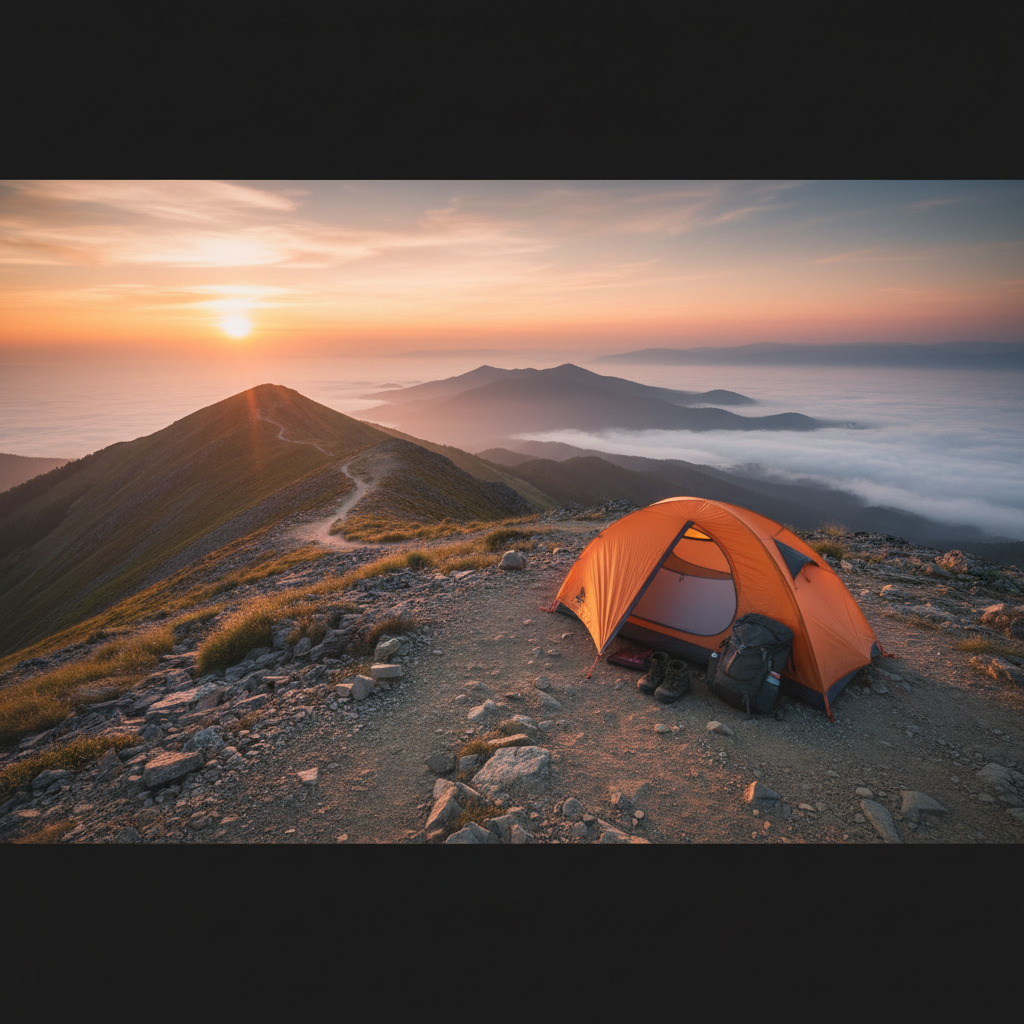
Your Home Away From Home: The Essential Guide to Backpacking Tents
Embarking on a backpacking adventure is an unparalleled way to connect with nature, challenge yourself, and create lasting memories. But every successful trip hinges on having reliable gear, and perhaps no piece is more critical than your tent. It's your sanctuary from the elements, your haven after a long day's hike, and your personal space in the vast wilderness. With countless options on the market, choosing the right backpacking tent can feel overwhelming. This guide will help you navigate the jargon and make an informed decision.
Understanding Tent Types: Finding Your Fit
Backpacking tents are designed with specific uses in mind, primarily balancing weight, durability, and space. Here are the main types you'll encounter:
- Three-Season Tents: The most common type, suitable for spring, summer, and fall conditions. They offer good ventilation, protection from rain and wind, but aren't designed for heavy snow or extreme cold.
- Four-Season Tents: Built for more extreme conditions, including heavy snow and strong winds. They are typically heavier, have stronger poles, and less mesh for insulation. Ideal for winter mountaineering.
- Ultralight Tents: Prioritize minimal weight above all else, often achieved through lighter fabrics and simpler designs. Great for thru-hikers or those counting every ounce, but may sacrifice some durability or space.
Key Features to Consider for Your Backpacking Tent
1. Weight & Packed Size:
- Weight: This is often the primary concern for backpackers. A lighter tent means less strain on your back. Consider the 'trail weight' (tent body, rainfly, poles) versus 'packed weight' (including stakes, guylines, stuff sacks).
- Packed Size: How small does it compress? This affects how easily it fits into your backpack.
2. Capacity & Livability:
- Capacity (1P, 2P, 3P): Refers to the number of people the tent is designed for. Keep in mind that a '2-person' tent might be snug for two larger individuals and their gear. Consider going up a size for more comfort.
- Floor Area & Peak Height: More floor space and head clearance make a tent feel much more comfortable, especially during bad weather.
- Vestibules: Covered areas outside the tent body but under the rainfly, perfect for storing wet gear and muddy boots.
3. Durability & Materials:
- Fabric Denier (D): A higher denier count indicates a thicker, more durable fabric, but also adds weight. Look for ripstop nylon or polyester.
- Waterproofing: The rainfly and floor should have a high hydrostatic head rating (e.g., 1500mm+) to keep you dry.
- Poles: Aluminum poles are generally stronger and more durable than fiberglass.
4. Ease of Set-Up:
- Can you set it up quickly, even in the dark or bad weather? Color-coded poles and clips can simplify the process.
For a lightweight and reliable option, our Trekker's Delight Ultralight Tent is a fantastic choice for solo adventurers.
Making Your Final Decision
To choose the best tent for you, consider these questions:
- Where will you be camping? (Climate, expected conditions)
- How many people will be sharing the tent?
- How important is weight versus comfort?
- What is your budget?
Read reviews, compare specifications, and if possible, try setting up a tent in-store to get a feel for it. Your backpacking tent is a significant investment in your outdoor comfort and safety. Choose wisely, and it will be the foundation of countless memorable adventures.