
Stay Illuminated: Your Guide to the Best Camping Headlamps
Illuminate your adventures! Discover how to choose the best camping headlamp for hiking, fishing, and campsite tasks.
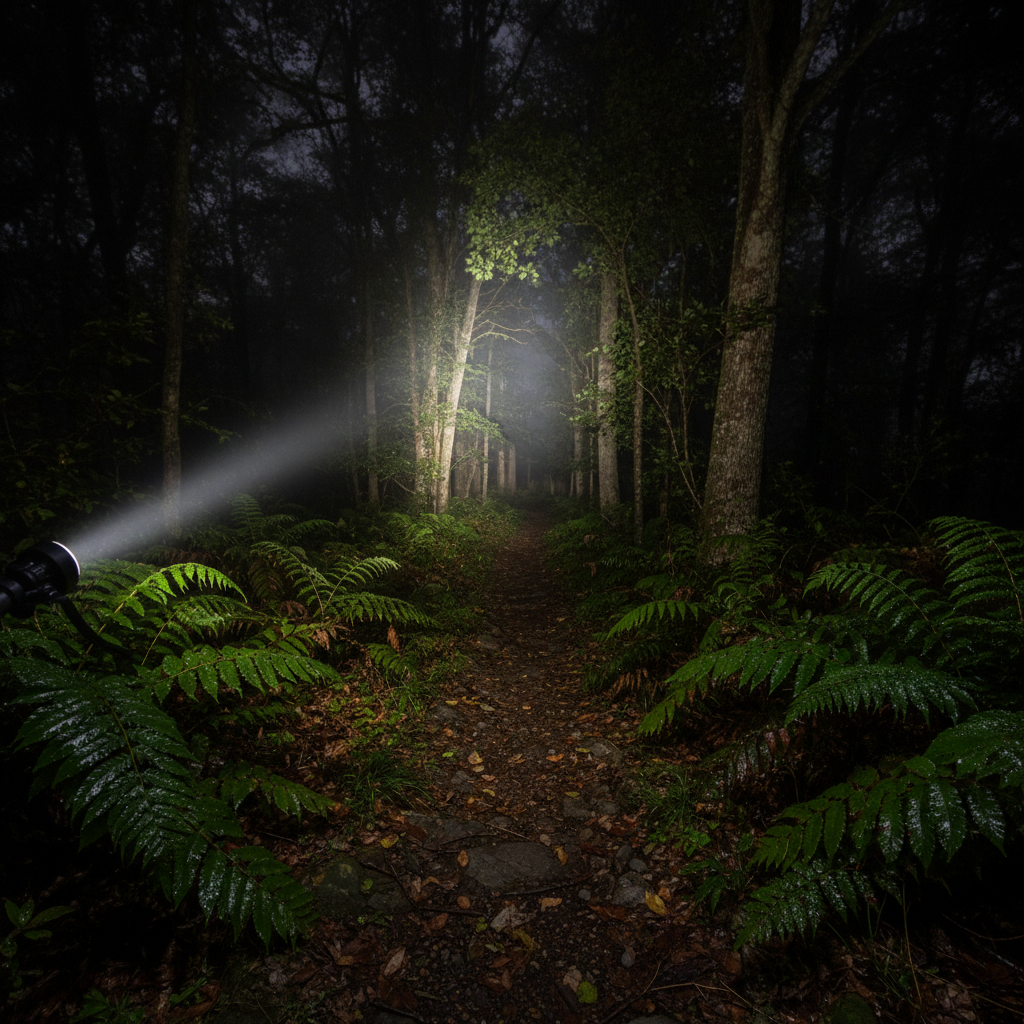
When the sun dips below the horizon, your adventure doesn't have to stop. A reliable headlamp is an indispensable tool for any camper, hiker, or outdoor enthusiast. Far beyond a simple flashlight, a good headlamp frees your hands, allowing you to set up camp, prepare a meal, tie a fishing knot, or navigate a trail after dark with ease and safety. But with so many options, how do you pick the best one?
Why a Headlamp is Essential for Camping
Flashlights are fine, but a headlamp offers superior functionality for almost every outdoor task:
- Hands-Free Operation: This is the primary advantage. You can cook, read a map, gather firewood, or untangle fishing line without juggling a light source.
- Directional Lighting: The light goes where you look, providing intuitive illumination for whatever you're doing.
- Safety: Navigating uneven terrain in the dark is safer when both your hands are free for balance.
- Versatility: From pitching a tent to finding something in your backpack, a headlamp makes all camp tasks simpler.
Key Features to Look for in a Camping Headlamp
Choosing the right headlamp involves balancing several factors to match your specific needs. The Rechargeable 5LED Headlamp is a great example of a versatile option.
1. Brightness (Lumens)
Lumens indicate how much light a headlamp emits. More lumens generally mean a brighter light, but also faster battery drain.
- 50-150 Lumens: Sufficient for close-up tasks like reading, cooking, or walking around camp.
- 150-300 Lumens: Good for hiking on well-defined trails, general camp use, and short-distance navigation.
- 300+ Lumens: Ideal for challenging night hikes, searching for objects, or fast-paced activities like trail running. Some headlamps, like the Rechargeable 5LED Headlamp, offer multiple brightness modes to optimize for different situations.
2. Beam Type
Most modern headlamps offer different beam patterns to suit various uses:
- Spot (or Focused) Beam: A narrow, concentrated beam for long-distance illumination. Great for spotting trail markers or looking across a distant river.
- Flood (or Wide) Beam: A broad, diffused light that illuminates a wider area evenly. Perfect for close-up tasks like cooking, reading, or setting up a tent.
- Red Light Mode: An often-overlooked but crucial feature. Red light preserves your night vision, is less disruptive to others in camp, and doesn't attract as many insects. Essential for stargazing or not startling wildlife.
3. Battery Type and Run Time
This is a critical consideration for extended trips.
- Alkaline Batteries: Disposable, readily available, but can lose power in cold conditions and create waste.
- Rechargeable Batteries (Li-Ion, Li-Poly): More environmentally friendly and cost-effective in the long run. Many models feature USB charging, which is convenient if you have a power bank. Check the advertised run time at different brightness settings.
- Hybrid Systems: Some headlamps allow you to use either rechargeable battery packs or standard alkaline batteries, offering great flexibility.
4. Weight and Comfort
You'll be wearing this on your head, so comfort is paramount. Lighter headlamps are often preferred for backpacking and running. Look for adjustable, breathable headbands that distribute weight evenly and don't chafe.
5. Durability and Weather Resistance
Your headlamp needs to withstand the elements of the outdoors.
- IPX Rating: Look for an IPX (Ingress Protection) rating, which indicates water resistance. IPX4 (splash-resistant) is good for light rain, while IPX7 (submersible for 30 minutes at 1 meter) provides protection for heavier downpours or accidental drops in water.
- Impact Resistance: A durable casing will protect against drops and bumps.
Additional Features to Consider
- Multiple Light Modes: High, medium, low, strobe, and red light modes offer versatility.
- Regulated Output: Maintains consistent brightness throughout the battery's life, rather than dimming gradually.
- Lockout Function: Prevents the headlamp from accidentally turning on in your backpack and draining the battery.
- Battery Indicator: Lets you know how much power you have left.
Using Your Headlamp Smartly
- Carry Spare Batteries (or a Power Bank): Even with rechargeable headlamps, a backup power source is always a good idea for longer trips.
- Test Before You Go: Make sure it's fully charged and functioning correctly before heading out.
- Respect Others: Use red light or a low setting when around other campers to avoid blinding them.
- Clean and Maintain: Wipe off dirt and keep the lens clean for optimal performance.
A quality headlamp isn't just a luxury; it's a safety device and a crucial tool that empowers you to extend your adventures well beyond daylight hours. By considering these factors, you can confidently choose a headlamp that will light your way on countless memorable outdoor excursions. So, gear up and illuminate your next adventure!