
Shoreline Strategies: Effective Fishing from the Bank
No boat? No problem! Discover expert tips and techniques for successful fishing right from the bank. Maximize your catches with these shoreline strategies.
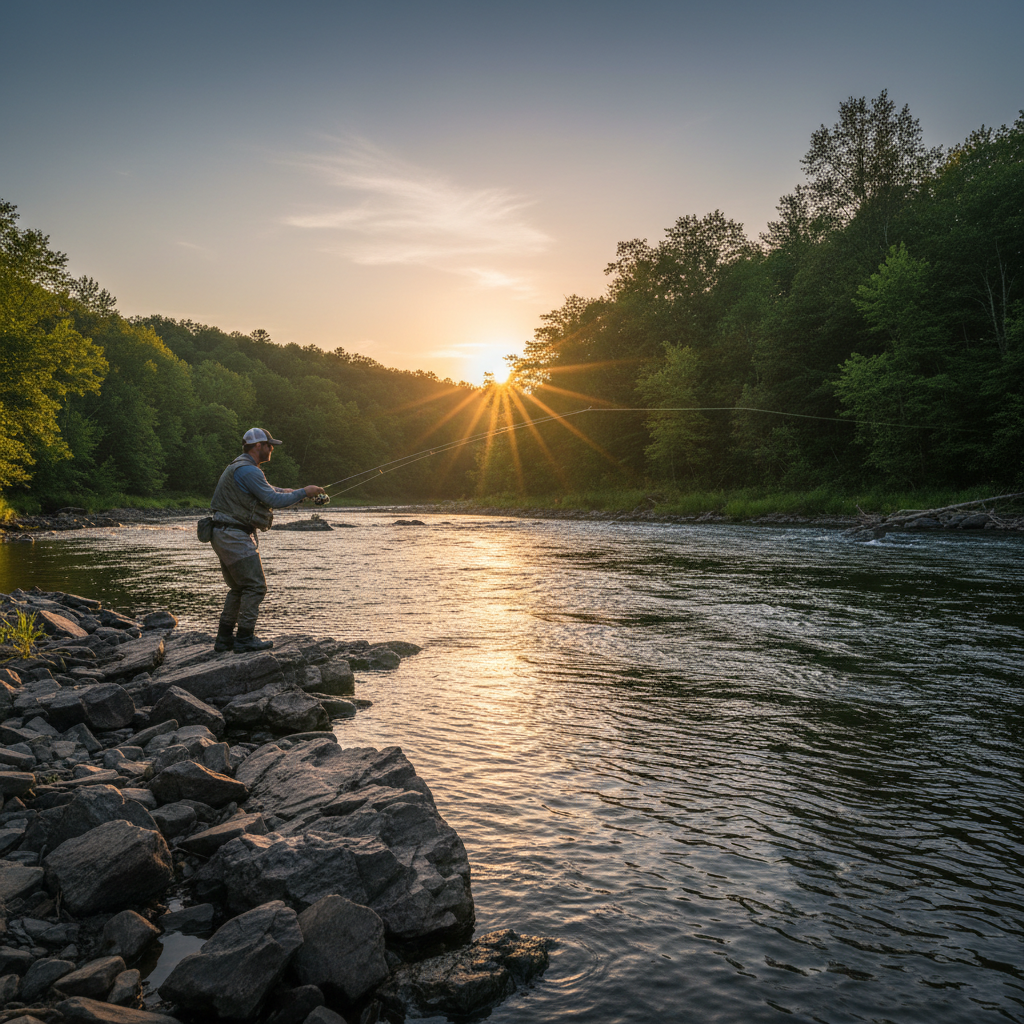
Fishing from the Bank: Accessing Angling Opportunities Without a Boat
Many anglers believe that a boat is essential for successful fishing, but that's far from the truth! Bank fishing offers incredible opportunities to catch a wide variety of fish species, often in overlooked spots. It's accessible, cost-effective, and provides a unique connection to the environment. This guide will equip you with effective strategies to make your next shoreline fishing trip a resounding success.
The Advantages of Bank Fishing
Bank fishing removes the need for boat maintenance, launching, and the associated costs. It allows you to explore different areas on foot, offering quiet solitude and often access to waters that boats can't reach, such as small ponds, creek bends, or tight river sections.
Understanding Your Environment: Key to Bank Fishing Success
Observation is your most powerful tool when fishing from shore. Before even making a cast, take time to 'read' the water.
Identify Structure and Cover
Fish relate to structure and cover for ambush points, protection from currents, and shade. From the bank, look for:
- Fallen Trees/Logs: Excellent hideouts for bass, crappie, and catfish.
- Weed Beds: Provide cover and oxygen for baitfish, attracting predators.
- Rock Piles/Riprap: Often hold smallmouth bass, walleye, and panfish.
- Docks/Piers: Offer shade and structure for various species.
- Drop-offs/Changes in Depth: Fish will often patrol these transition zones. Use a Portable Fish Finder if permitted and practical for more insight into depths.
Look for Signs of Fish Activity
Keep an eye out for telltale signs:
- Surface Activity: Baitfish jumping, fish breaking the surface, or subtle swirls.
- Birds: Diving birds often indicate schools of baitfish below, which means predatory fish are likely nearby.
- Insects: Hatching insects can trigger feeding frenzies, especially for trout and panfish.
Essential Bank Fishing Gear
You don't need a lot of gear for bank fishing, but having the right tools makes a difference.
Rod and Reel Setup
A versatile medium-action spinning rod (6'6" to 7'6") paired with a 2500-4000 series spinning reel spooled with 8-12 lb monofilament or fluorocarbon line is a great all-around choice. It allows for decent casting distance and handles a variety of lures and fish sizes. A Lightweight Spinning Combo is ideal for portability.
Tackle Box Essentials
Keep it concise:
- Hooks: Assorted sizes (worm hooks, circle hooks, jig heads).
- Sinkers/Weights: Split shot, bullet weights, drop shot weights.
- Bobbers/Floats: Slip bobbers and fixed floats.
- Lures: A small selection of jigs, soft plastics, spinnerbaits, and perhaps a few crankbaits or topwater lures.
- Bait: Live worms, minnows, or prepared baits if targeting specific species.
- Pliers/Forceps: For hook removal.
- Line Clippers: Essential for tying knots.
Comfort and Safety Items
- Small Backpack: To carry your gear comfortably.
- Water Bottle: Stay hydrated.
- Sun Protection: Hat, sunglasses, sunscreen.
- Bug Spray: Especially important in wooded or marshy areas.
- Folding Chair: For comfort during long waits.
Productive Bank Fishing Techniques
Fan Casting
Instead of casting straight out, make casts in a fan pattern, covering the water from left to right (or vice-versa). This ensures you're presenting your lure or bait to different areas and potential holding spots.
Targeting Transitions
Fish often position themselves where different types of cover or depth changes meet. Cast along weed edges, where rocky bottom meets mud, or where a shallow flat drops into deeper water.
Dead-Sticking and Soaking Bait
When fish are lethargic or spooky, letting a live worm or piece of cut bait sit on the bottom (or suspended under a bobber) can be incredibly effective. Patience is key with this method.
Adjusting to Conditions
- Wind: Cast with the wind to maximize distance. Use heavier lures or weights if necessary to get down.
- Current: Cast upstream and allow your bait or lure to drift naturally downstream, mimicking natural food movement.
- Water Clarity: Use natural colors in clear water and brighter, more vibrant colors in murky water.
Locating Productive Bank Fishing Spots
- Local Parks and Ponds: Often stocked and easily accessible.
- Riverbanks: Look for slower-moving sections, eddies, and bends.
- Lakeshores: Focus on points, coves, and areas with visible structure.
- Online Resources: State wildlife agencies, fishing forums, and even Google Maps (satellite view) can reveal potential spots.
Conclusion
Bank fishing offers a rewarding and often surprising angling experience. By understanding the environment, having the right minimal gear, and employing effective techniques, you can enjoy fantastic catches without ever stepping foot in a boat. So grab your rod, find a promising spot on the shoreline, and cast your worries away!