Nymphing for Trout: Subsurface Fly Fishing Secrets
Unlock the secrets of nymphing for trout. Learn about effective techniques, fly selection, and reading the water for subsurface fly fishing success.
Nymphing for Trout: Subsurface Fly Fishing Secrets
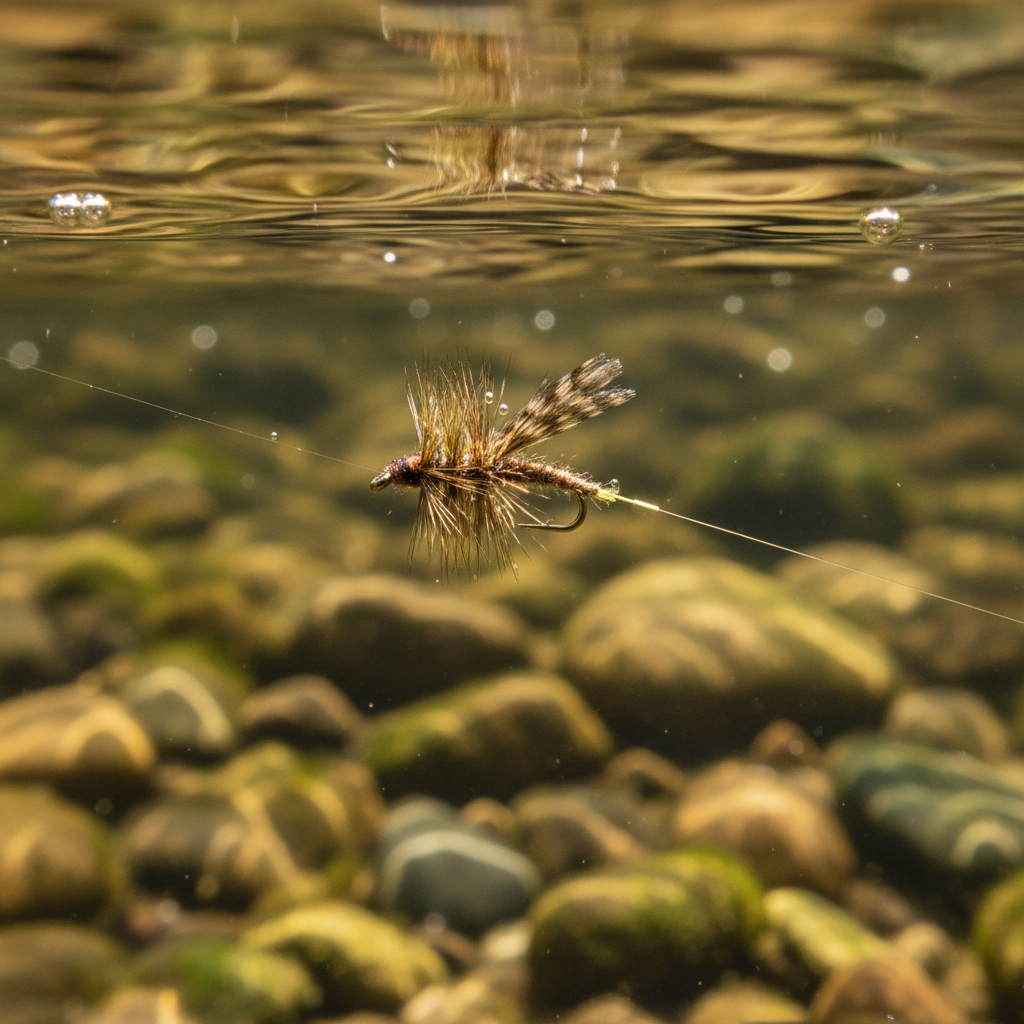
Fly fishing often conjures images of delicate dry flies dancing on the water's surface, but the truth is, most of a trout's diet comes from below. Nymphing, the art of presenting subsurface insect imitations, is arguably the most effective way to catch trout consistently. If you're looking to significantly improve your catch rate, especially when fish aren't rising, mastering nymphing is crucial.
Why Nymphing is So Effective
Insects spend the majority of their lives in their nymph (or larval) stage underwater. Trout are opportunistic feeders, and they expend energy where the food is most abundant. Nymphs are a constant, reliable food source, making them a primary target for hungry trout throughout the year, even in the coldest months.
Essential Nymphing Gear
While you can nymph with a standard fly setup, certain modifications and specialized gear can make a big difference.
Rod & Reel
A medium-fast action fly rod in a 4wt or 5wt (8.5 to 10 feet long) is versatile for most nymphing situations. A longer rod provides better line control and easier mending. The Mavllos Fly Fishing Rod is an excellent choice, offering the precision and control needed for effective nymphing. Your reel simply needs to hold your line.
Fly Line & Leaders
A weight-forward floating fly line is standard. For leaders, a general 7.5 to 9-foot tapered leader ending in 3X or 4X is a good starting point. You'll then attach fluorocarbon tippet (4X-6X) to the end of your leader. Fluorocarbon is nearly invisible underwater and sinks faster than monofilament, which is ideal for nymphing.
Strike Indicators
These are your