
Maximize Your Catch: Freshwater Spoon Lure Fishing Tips
Unlock the secrets to successful spoon lure fishing in freshwater! Learn about types, techniques, and how to attract more bass, trout, and pike to your line.
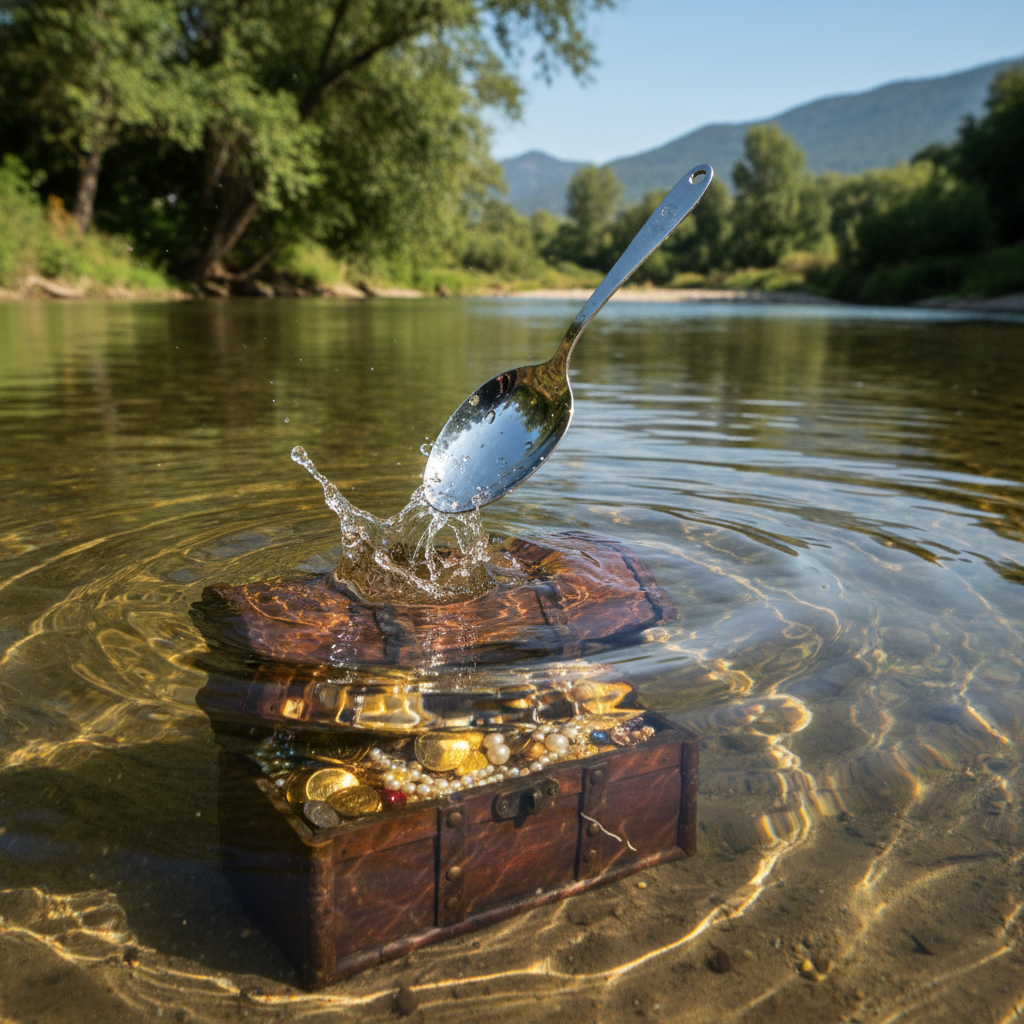
Spoon lures have been a staple in tackle boxes for generations, and for good reason. Their unique wobbling, flashing action effectively mimics injured baitfish, making them irresistible to a wide variety of freshwater predators. From bass to trout and pike to walleye, a well-presented spoon can be the key to a successful day on the water.
The Allure of the Spoon Lure
What makes spoon lures so effective? It's their versatility and ability to imitate struggling prey. As a spoon moves through the water, it wobbles and flashes, sending out vibrations and reflections that predatory fish can't ignore. This action often triggers an aggressive reaction strike, even from less active fish. They're also relatively simple to use, making them great for beginners and seasoned anglers alike.
Types of Freshwater Spoon Lures
Understanding the different types of spoons will help you choose the right one for your target species and fishing conditions:
- Casting Spoons: These are generally heavier and designed for long casts. Their broad, curved shape creates a wide wobble on the retrieve. They are excellent for covering open water and attracting fish from a distance. Often used for pike, bass, and larger trout.
- Jigging Spoons: Thinner and more compact, these spoons are designed to be fished vertically. They flutter enticingly as they fall, mimicking a dying baitfish. Ideal for ice fishing, fishing deep structures, or targeting schooling fish directly beneath the boat. The Premium 20g Metal Jig Fishing Lure excels in this application, offering a fast sink and irresistible flutter.
- Trolling Spoons: Lighter and often elongated, these spoons are designed to be pulled behind a boat. Their action relies on the boat's movement to create a enticing wobble. Popular for salmon, lake trout, and walleye in larger bodies of water.
- Weedless Spoons: Featuring a single, upturned hook often protected by a wire guard, these spoons are perfect for fishing in heavy cover like lily pads or submerged grass. They allow you to target bass in areas where other lures would snag.
Consider a versatile set like the Premium 16-Piece Spinner Lure Kit which often includes various spoon-like designs that can be effective for different freshwater species.
Effective Freshwater Spoon Fishing Techniques
Mastering spoon fishing involves more than just casting and reeling. Here are some techniques to boost your success:
- Cast and Retrieve: The most common method. Cast your spoon out and use a steady retrieve, allowing the lure's natural wobble to work. Vary your retrieve speed – sometimes a fast retrieve triggers a chase, while a slower one provokes a strike from hesitant fish.
- Stop and Go: Add pauses to your retrieve. Let the spoon flutter down on a slack line during the pause. Many strikes occur as the spoon falls or just as you begin to retrieve again.
- Lift and Drop (Jigging): Especially effective with jigging spoons. Cast to your target area, let the spoon sink to the desired depth, then sharply lift your rod tip and let the spoon fall back on a controlled slack line. Repeat this motion, covering the water column. This technique is deadly for fish holding to bottom structure or suspended in open water.
- Trolling: When covering large areas, trolling spoons behind a boat at varying depths and speeds can be highly effective for finding active fish. Use downriggers or planer boards to get your spoons to the desired depth and spread them out.
- Vertical Jigging (Ice Fishing/Boat Fishing): Drop a jigging spoon directly below you, let it hit bottom, reel up a foot or two, and then impart short, sharp lifts and drops. Pay close attention to your sonar for fish indicators.
Tips for Spoon Fishing Success
- Match the Hatch (Color): While flash is key, consider spoon colors that mimic local baitfish or contrast well with water conditions. Bright colors for murky water, natural tones for clear water.
- Vary Your Retrieve: Don't be afraid to experiment. If fish aren't biting, change your retrieve speed, add more pauses, or try a different jigging motion.
- Sharp Hooks: Spoons often have exposed treble hooks; ensure they are razor-sharp for better hook-ups. Carry a hook sharpener.
- Leader Material: If fishing for toothy critters like pike, a steel or very heavy fluorocarbon leader is essential to prevent bite-offs. Even for bass, a fluorocarbon leader can add stealth.
- Consider Trailing Baits: Sometimes, adding a small piece of live bait (like a minnow head) or a soft plastic trailer to your spoon's hook can add extra scent and appeal.
Spoon lures are a must-have for any freshwater angler. Their versatility, fish-attracting action, and ease of use make them incredibly effective in a wide range of situations. By understanding the different types of spoons and employing effective techniques, you'll be well-equipped to maximize your catch on your next fishing adventure.