
Mastering Trout Fishing with Spinner Lures
Unlock the secrets to catching more trout using spinner lures! Learn about choosing the right spinner, presentation techniques, and essential tips for success.
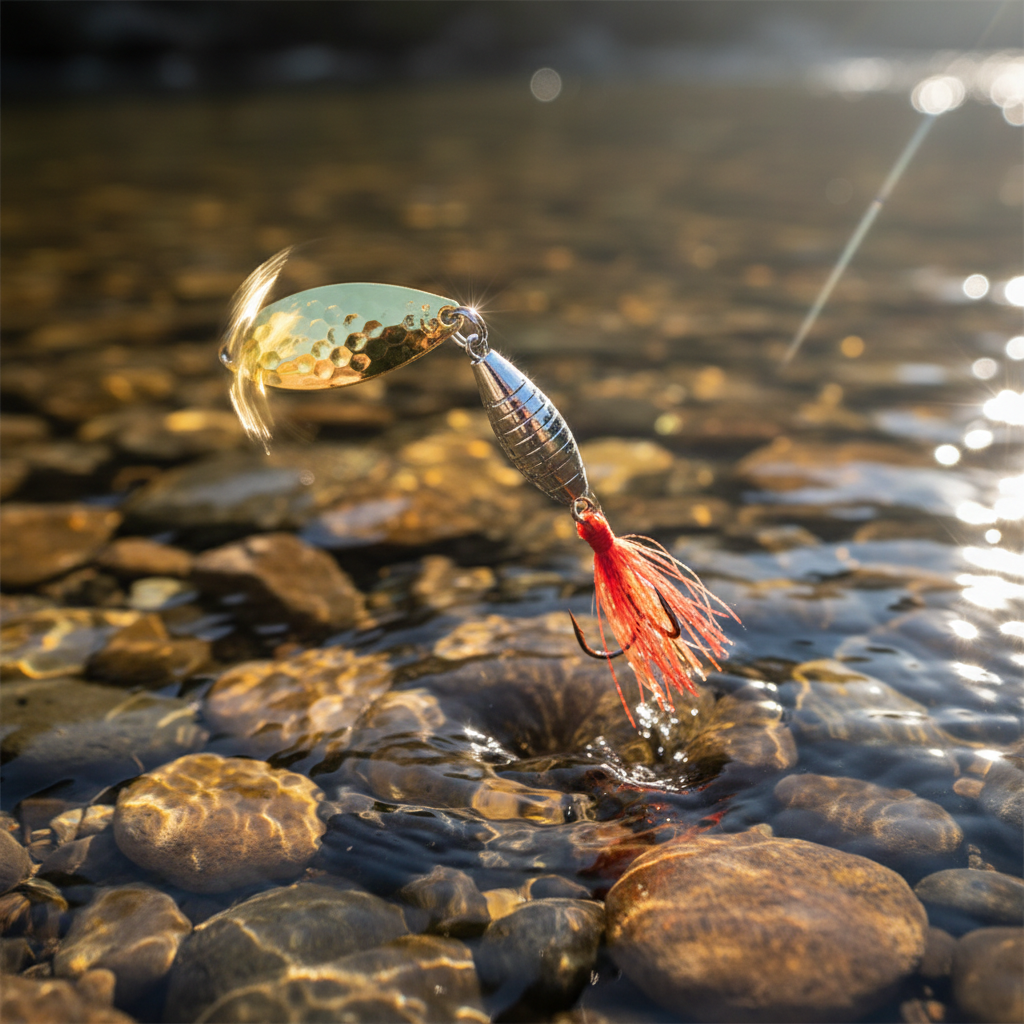
Mastering Trout Fishing with Spinner Lures
Spinner lures are a classic for a reason: they consistently catch fish, especially trout. Their enticing flash and vibration mimic fleeing baitfish or insects, triggering aggressive strikes from eager trout. Whether you're fishing a rushing river, a serene lake, or a mountain stream, a well-presented spinner can be your ticket to a successful day. Let's dive into how you can master trout fishing with these incredibly effective lures.
Why Spinners Are So Effective for Trout
Spinners succeed where many other lures fall short due to a few key attributes:
- Flash: The rotating blade creates irresistible flashes of light, mimicking scales of baitfish or the glint of an insect's wings, attracting trout from a distance.
- Vibration: The spinning blade also generates vibrations in the water, which trout can detect with their lateral line system, even in murky conditions.
- Versatility: Spinners come in various sizes, weights, and colors, making them adaptable to different water conditions and trout species.
- Ease of Use: They are relatively simple to cast and retrieve, making them a favorite for both beginner and experienced anglers.
Choosing the Right Spinner Lure
Selecting the perfect spinner involves considering a few factors:
Size Matters
- Small Streams/Pan-sized Trout: Opt for smaller spinners (1/32 oz to 1/8 oz). #0 or #1 blades are ideal.
- Rivers/Larger Trout: Move up to medium-sized spinners (1/8 oz to 1/4 oz). #2 or #3 blades work well.
- Lakes/Big Water: Larger spinners (1/4 oz to 1/2 oz) with #3 or #4 blades can be effective for covering more water and targeting bigger fish.
Blade Type
- Willow Leaf: Long and narrow, they provide less lift and cut through the water faster, ideal for strong currents or deep retrieves.
- Colorado: Round and wide, they offer maximum flash and vibration, providing more lift and working well in slower water or when you want a slower retrieve.
- French/Agilia: A popular all-around blade, teardrop-shaped, offering a good balance of flash and vibration.
Color Selection
- Clear Water/Sunny Days: Natural colors like silver, gold, or brass work best, mimicking natural prey.
- Cloudy Water/Overcast Days: Brighter colors like fluorescent orange, chartreuse, or even black can provide better contrast and visibility.
- Stained Water: Patterns with strong color contrasts can also be effective.
For a great starting point, consider a Premium 16-Piece Spinner Lure Kit. It offers a versatile range of colors and sizes to tackle various conditions.
Effective Spinner Presentation Techniques
Upstream Casts
This is a classic for stream trout. Cast slightly upstream and across the current, allowing the spinner to drift naturally downstream ahead of you. Reel just enough to keep the blade spinning and maintain tension. This presents the lure naturally to trout facing upstream.
Downstream Casts (Swing)
Cast downstream and across. As the current catches the line, let the spinner swing across the current. This can be deadly as the lure moves enticingly through known holding spots. A slow, steady retrieve can also work against the current.
Still Water Retrieves (Lakes/Ponds)
In lakes, cast your spinner out and use a steady retrieve. Vary your retrieve speed and add occasional twitches to mimic an injured baitfish. Experiment with different depths by allowing the spinner to sink for a few seconds before retrieving. Trolling with a spinner using a kayak or small boat can also be very effective for covering water.
Fishing Structure
Trout love to hide near structure: fallen logs, rocks, undercut banks, and weed lines. Cast your spinner as close to these areas as possible. Be prepared for a strike as soon as the lure lands or as it passes these key ambush points.
Essential Tips for Spinner Success
- Light Line: Trout have excellent eyesight. Use light monofilament or fluorocarbon line (2-6 lb test) for a more natural presentation and fewer missed strikes.
- No Swivels (Usually): While barrel swivels can prevent line twist, they can also detract from a spinner's action. If line twist is an issue, a small, high-quality ball-bearing swivel might be necessary, but often isn't needed with modern lines and good casting technique.
- Vary Your Retrieve: Don't just reel in at one speed. Experiment with fast, slow, stop-and-go, and twitching retrieves until you find what the trout want.
- **Fish the