
Mastering Trout Fishing: Techniques & Lure Selection
Unlock the secrets to successful trout fishing with our expert guide on techniques, lure selection, and essential tips for anglers of all levels.
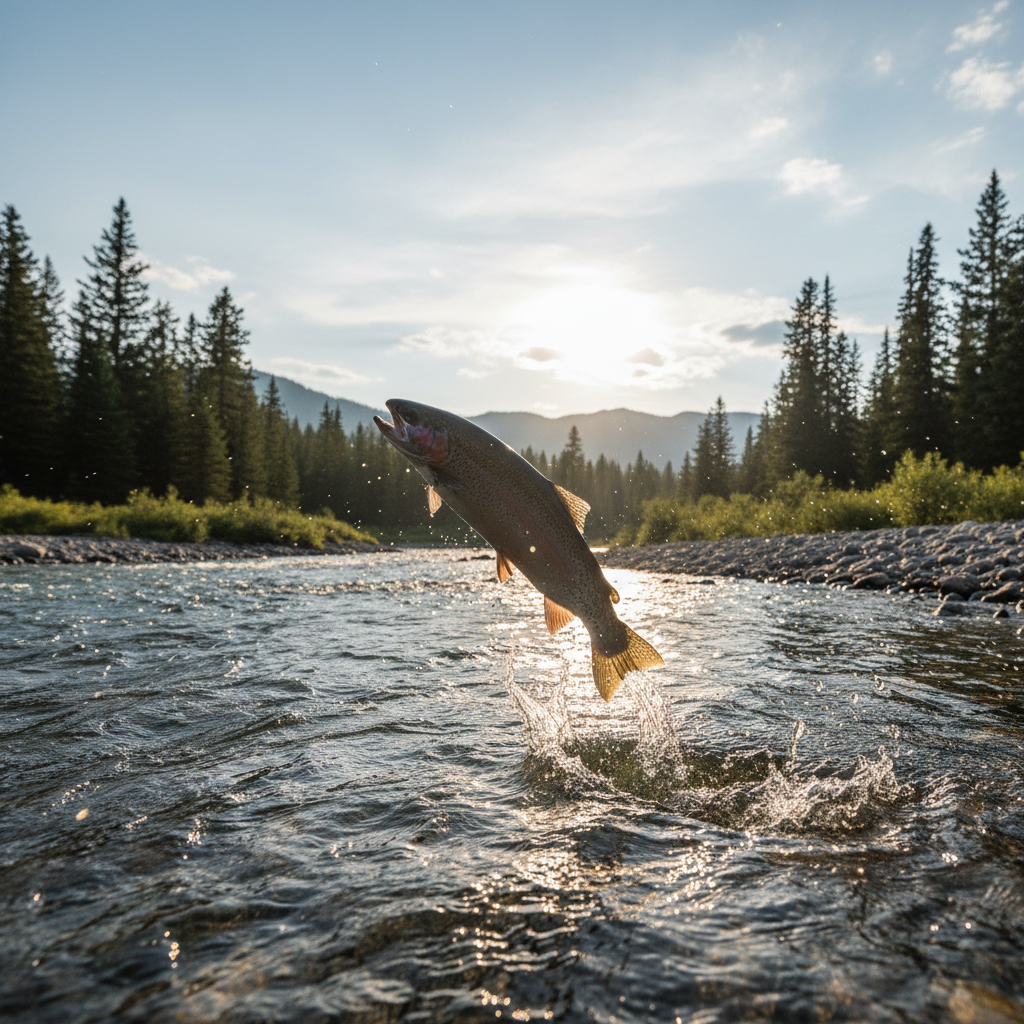
Trout fishing is an art form, a delicate dance between angler and nature that requires patience, skill, and the right gear. Whether you're casting lines in a pristine mountain stream or a tranquil lake, understanding the nuances of trout behavior and choosing the appropriate techniques and lures can make all the difference between a good day and a truly unforgettable one.
Understanding Trout Behavior: When and Where to Find Them
Trout are cold-water fish, thriving in clear, well-oxygenated environments. Their activity levels are often dictated by water temperature, light conditions, and the availability of food.
- Early Morning & Late Evening: These are prime times for trout feeding. The lower light conditions offer them a sense of security, and aquatic insects are often more active.
- Cloudy Days: Overcast skies can extend feeding windows throughout the day as the diminished sunlight makes trout feel less exposed.
- Water Structure: Look for trout near cover such as fallen logs, submerged rocks, undercut banks, and overhanging vegetation. These spots provide shelter from predators and strong currents, as well as ambush points for prey.
- Riffles & Pools: In rivers and streams, trout often hold in the deeper pools adjacent to fast-moving riffles, where oxygen is abundant and food washes downstream.
Essential Trout Fishing Techniques
Fly Fishing
Often considered the purest form of trout fishing, fly fishing mimics natural insect hatches. It requires precision casting and a deep understanding of entomology. Matching the hatch – using flies that resemble the insects currently present in the water – is crucial.
Spin Fishing
Spin fishing is more accessible for many anglers and incredibly effective. It involves using spinning rods and reels with various artificial lures or natural bait.
- Casting Upstream: This allows your lure to drift naturally downstream with the current, imitating an injured baitfish or insect.
- Varying Retrieve Speed: Experiment with different retrieve speeds to entice strikes. Sometimes a slow, steady retrieve works best, while other times a quick twitch or pause can trigger a bite.
Bait Fishing
Using natural bait like worms, powerbait, or salmon eggs can be highly effective, especially for stocked trout. Present the bait naturally, often with minimal weight, to allow it to drift or settle near trout holding areas.
Choosing the Right Lure for Trout
The vast array of lures available can be overwhelming, but understanding their purpose can simplify your selection.
Spinners
Spinners are a classic choice for trout. Their rotating blade creates flash and vibration, mimicking a struggling baitfish or insect. The Premium 16-Piece Spinner Lure Kit offers a variety of sizes and colors, perfect for different water conditions and trout species. Look for smaller spinners in clear, shallow water, and larger, brighter ones in deeper or murkier conditions.
Spoons
Spoons wobble and flutter through the water, imitating injured or dying baitfish. They are versatile and can be cast or trolled. Their reflective surfaces catch the light, attracting trout from a distance.
Jigs
Small jigs, often tipped with a piece of worm or grub, can be deadly for trout. Fish them with a gentle jigging motion near the bottom or suspended in the water column.
Minnow Imitations
Lures that closely resemble small minnows or fry are incredibly effective, especially for larger trout. The Premium Bionic Minnow Fishing Lure offers lifelike swim action and realistic details, making it irresistible to hungry trout. Its design allows for both casting and trolling, giving you flexibility in your approach.
Essential Tips for Success
- Stealth: Trout are easily spooked. Approach fishing spots quietly and avoid casting shadows over the water.
- Line Choice: Use light line (4-6 lb test) for better presentation and to avoid spooking fish.
- Observe Your Surroundings: Pay attention to insect hatches, rising fish, and water currents. These clues can tell you what trout are feeding on and where they are holding.
- Catch and Release: Practice catch and release, especially for wild trout, to help preserve populations for future generations.
Mastering trout fishing is a journey of continuous learning and adaptation. By understanding trout behavior, employing effective techniques, and making informed lure choices, you'll significantly increase your chances of a successful and rewarding day on the water. So grab your gear, head to your favorite trout stream or lake, and experience the thrill of the strike!