
Mastering Topwater Lures for Explosive Bass Action
Unleash the thrill of topwater fishing! Learn techniques, lure choices, and tips to catch more bass on the surface.
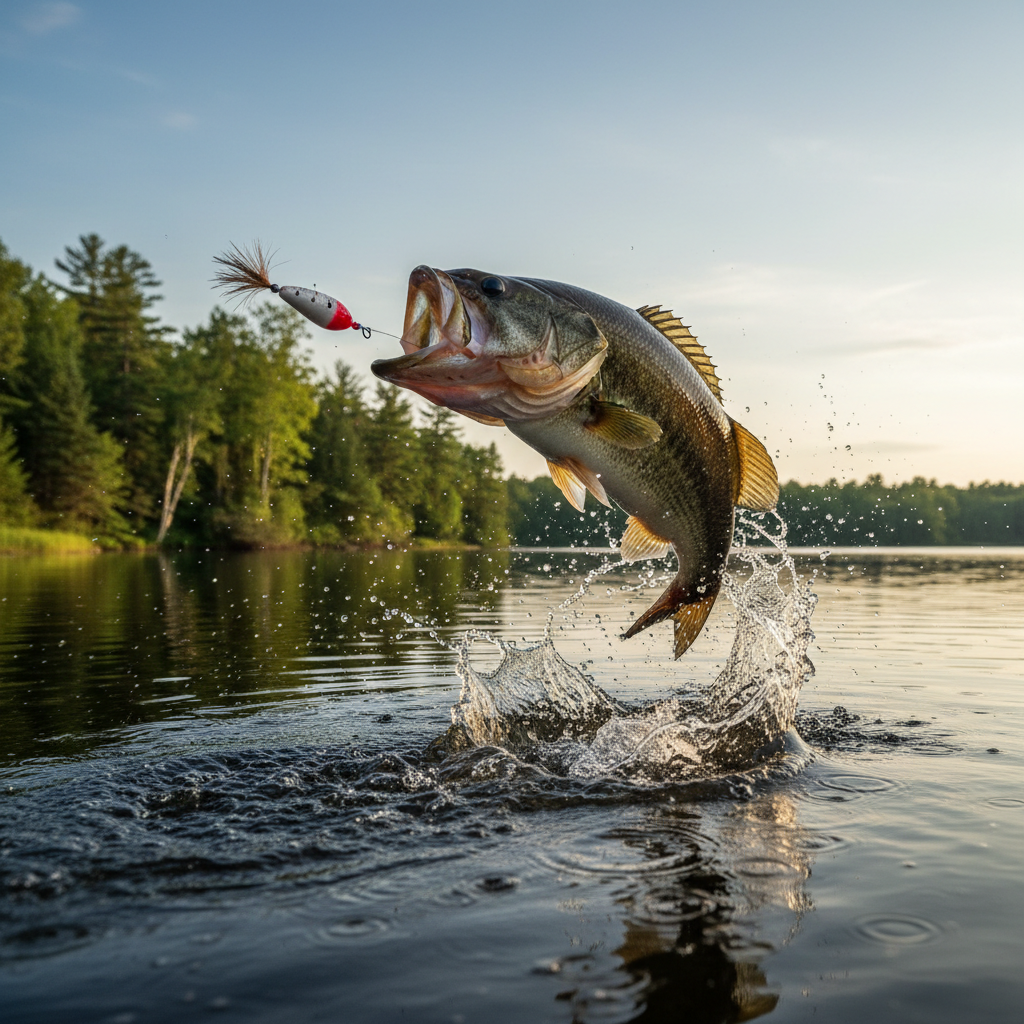
There's nothing quite like the explosive strike of a bass shattering the surface as it ambushes a topwater lure. It's a visual, heart-pounding experience that every angler craves. Topwater fishing isn't just a technique; it's an art form, demanding patience, precision, and the right tackle.
Why Topwater Fishing? The Ultimate Thrill
Topwater fishing offers a unique advantage: you get to see the strike! This visual aspect adds an incredible layer of excitement that bottom-fishing or even crankbait fishing can't quite match. Beyond the thrill, topwater lures are incredibly effective in certain conditions, especially during low-light hours or when bass are actively feeding on baitfish near the surface.
Understanding Topwater Lure Types
Topwater lures come in a dazzling array of shapes and sizes, each designed to mimic different prey or create distinct actions:
- Poppers: Characterized by a concave face, poppers create a splashing 'bloop' sound when twitched, mimicking a struggling baitfish or frog. They are excellent for enticing strikes in calm water.
- Walk-the-Dog Lures (Stickbaits): These elongated, often cigar-shaped lures are designed to be retrieved with a rhythmic side-to-side motion, known as 'walking the dog.' This enticing zig-zag action is irresistible to predatory fish. Think of lures like the Premium Bionic Minnow Fishing Lure for its realistic action.
- Prop Baits: Featuring one or more propellers, these lures create a disturbance on the surface, mimicking baitfish fleeing or struggling. They can be very effective in choppy water or when you need to draw attention from a distance.
- Frogs: Soft-bodied frog imitations are weedless, making them perfect for fishing over matted vegetation, lily pads, and heavy cover where bass often hide. Their realistic appearance and ability to navigate thick stuff make them a bass favorite.
- Buzzbaits: Equipped with a propeller blade that churns water, buzzbaits create a lot of noise and splash, ideal for covering water quickly and calling fish from a distance. They are often fished on a steady retrieve.
Key Techniques for Topwater Success
Mastering topwater requires more than just casting; it's about presentation and timing.
The Retrieve is Everything
Each lure type demands a specific retrieve:
- Poppers: Cast them out, let the ripples dissipate, then give a sharp twitch or two, followed by a pause. Experiment with pause durations; sometimes a longer pause is key.
- Walk-the-Dog Lures: This is the most challenging but rewarding technique. Keep your rod tip pointed down, and make short, downward twitches of the rod while reeling in slack. It's all about finding a rhythm that makes the lure glide side-to-side effortlessly.
- Prop Baits: A steady retrieve with occasional twitches or pauses can be effective, depending on how aggressive the fish are.
- Frogs: Fish them slowly over the cover. Let them sit, twitch them, then slowly drag them along. When a bass strikes, resist the urge to set the hook immediately. Let the fish pull the lure under before setting.
- Buzzbaits: A steady, medium-fast retrieve is typically best, just fast enough to keep the blade turning and creating a disturbance.
Where and When to Fish Topwater
- Low Light Conditions: Dawn and dusk are prime times for topwater. Bass are often more active and willing to chase prey on the surface when the sun isn't high.
- Overcast Days: Overcast skies can extend the topwater bite throughout the day.
- Shallow Water: Focus on shallow flats, around docks, submerged vegetation, fallen trees, and creek channels. Anywhere baitfish gather or bass ambush prey is a good bet.
- Warm Water: Topwater fishing is most effective when water temperatures are warm, as bass are more active and willing to expend energy chasing surface baits.
Essential Gear for Topwater Anglers
- Rod: A medium-heavy to heavy casting rod, typically 6'6" to 7'6" in length, with a fast or moderate-fast action, is ideal. This provides the backbone for casting larger lures and fighting strong fish.
- Reel: A baitcasting reel with a gear ratio of 6.3:1 to 7.1:1 works well, offering a good balance of retrieve speed and power.
- Line: Monofilament line (12-20 lb test) is often favored for topwater because it floats, which helps the lure stay on the surface and contributes to a more natural action. Braided line (30-50 lb test) can also be used, especially in heavy cover, but you might want to consider a monofilament or fluorocarbon leader to reduce visibility.
Topwater Tips for More Strikes
- Vary Your Retrieve: Don't be afraid to experiment with retrieve speeds and pauses. What worked yesterday might not work today.
- Observe Your Surroundings: Look for signs of baitfish activity, feeding bass, or likely ambush points.
- Stealth is Key: Approach your fishing spots quietly to avoid spooking fish. Long casts can help.
- Sharp Hooks: Ensure your treble hooks are razor-sharp to maximize your hook-up ratio. A quick sharpen can make all the difference.
Topwater fishing is an exhilarating way to catch bass. With the right lures, techniques, and a bit of practice, you'll be enjoying explosive surface strikes in no time. So grab your rod, tie on your favorite topwater, and get ready for some heart-stopping action!