
Mastering Topwater Lures for Explosive Bass Action
Unleash the thrill of topwater fishing! Learn techniques, lure choices, and tips to catch more bass with exciting surface strikes.
The Adrenaline Rush of Topwater Bass Fishing
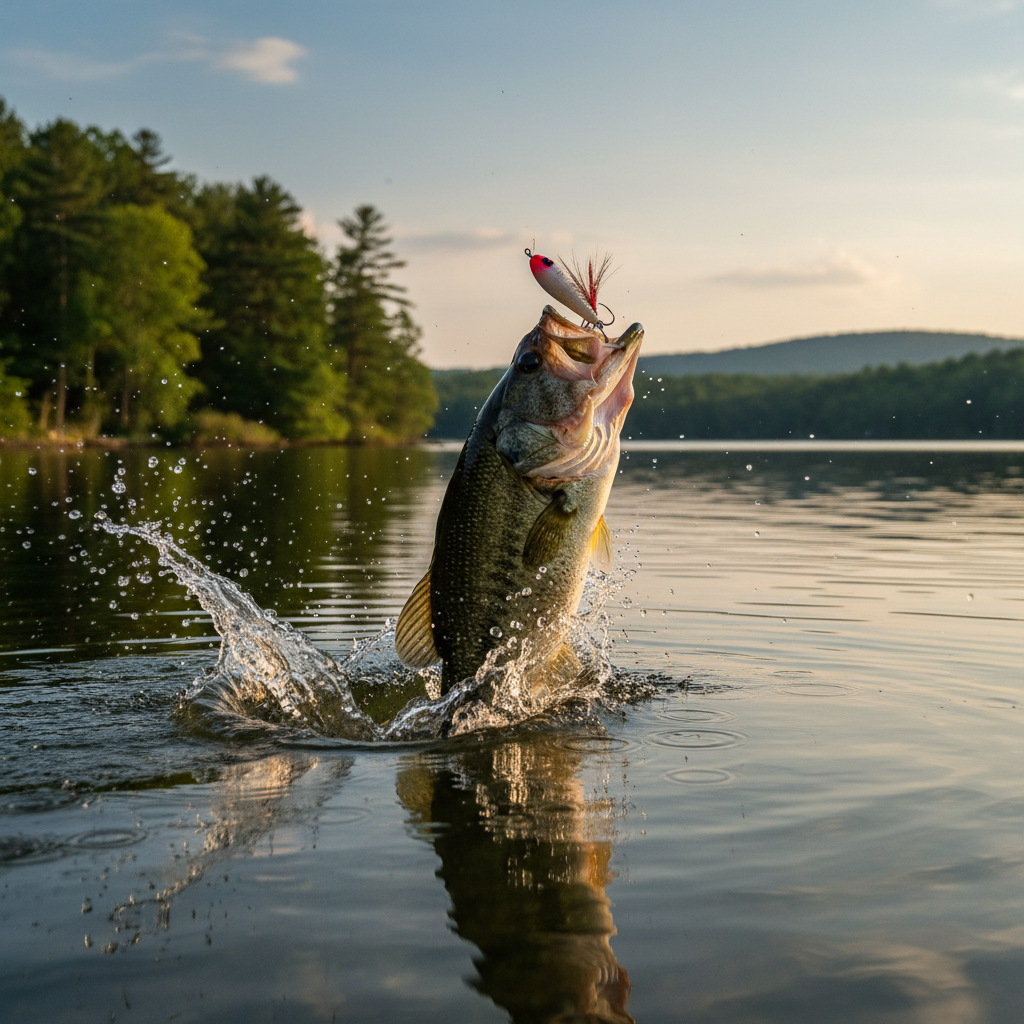
There's nothing quite like the heart-stopping explosion of a lunker bass breaking the surface to ambush a topwater lure. It's not just fishing; it's an experience, a visual spectacle that gets the adrenaline pumping. If you've been wanting to dive into the world of topwater fishing or elevate your current skills, you're in the right place. This guide will help you understand the magic behind topwater lures and how to use them effectively to trigger those unforgettable strikes.
Why Topwater Works: Understanding Bass Behavior
Bass are ambush predators, and they often look upwards for easy meals. Insects, frogs, mice, and crippled baitfish are all common sights on the water's surface. Topwater lures mimic these unfortunate snacks, exploiting a bass's natural instinct to strike at anything vulnerable. The commotion, vibrations, and visual appeal created by these lures often provoke aggressive, reaction strikes, even from less active fish.
Essential Topwater Lure Types and When to Use Them
To become a topwater pro, it's crucial to understand the different types of lures available and their ideal situations:
- Poppers: Characterized by their concave face, poppers create a "chugging" or "popping" sound when twitched. They excel in calm conditions, around cover like docks or lily pads, and when you want to create a lot of noise to draw fish from a distance. A slow, rhythmic retrieve often works best.
- Walk-the-Dog Lures (Stickbaits): These slender, often cigar-shaped lures are designed to be retrieved with a specific side-to-side, or "walk-the-dog," action. This erratic movement perfectly imitates a struggling baitfish. They are incredibly versatile and effective in open water or along weed lines. Practice is key to mastering the retrieve.
- Prop Baits: Featuring one or two propellers, prop baits churn water, creating a commotion that mimics a wounded baitfish or frantic insect. Great for calling fish from deeper water or when you need to make a strong visual and sonic presence, especially in slightly choppier conditions.
- Buzzbaits: With a large, rotating blade, buzzbaits create a lot of surface disturbance and a distinct buzzing sound. They are superb for covering large areas quickly, particularly in low light conditions (dawn/dusk) or when bass are actively feeding in shallow, weedy areas.
- Frogs & Rats (Soft Plastics): Weedless and realistic, soft plastic frogs and rats are king in heavy cover like lily pads, matted vegetation, and submerged timber. They can be worked slowly across the densest cover where other lures would snag, enticing bass that are hidden deep within.
Techniques for Topwater Success
Beyond lure selection, your technique plays a massive role in enticing strikes:
1. Vary Your Retrieve: Don't be afraid to experiment! Sometimes a steady, rhythmic pop is best; other times, a pause-and-twitch approach will trigger a bite. Pay attention to what the fish are telling you.
2. Target Cover: Bass love to ambush from cover. Cast your topwater lures near fallen logs, weed lines, docks, lily pads, and rock piles. The closer you can get to the cover without spooking the fish, the better.
3. Low Light Magic: While topwater can work all day, dawn and dusk are prime times. The lower light conditions make bass feel more secure feeding on the surface.
4. Wait for the Weight: When a bass strikes a topwater lure, it can be explosive. The natural instinct is to set the hook immediately. Resist! Instead, wait until you feel the weight of the fish on the line before setting the hook firmly. This ensures the fish has fully engulfed the lure.
5. Stealth is Key: Bass are wary. Make long casts to avoid spooking them, and approach your fishing spots quietly.
Essential Gear for Topwater Anglers
- Rod: A medium-heavy to heavy action casting rod, typically 6'6" to 7'6" in length, with a fast or moderate-fast tip provides the power to cast larger lures and control aggressive fish.
- Reel: A baitcasting reel with a gear ratio between 6.4:1 and 7.1:1 offers a good balance of retrieve speed and power. You'll need faster speeds for buzzbaits and walking baits, and slower for poppers.
- Line: Monofilament line (12-20lb) is often preferred for topwater due to its buoyancy, which helps keep the lure on the surface, and its stretch, which can prevent hooks from tearing out during violent strikes. Braided line (30-50lb) can also be used, especially in heavy cover, but you might consider a monofilament or fluorocarbon leader to reduce visibility.
For a versatile option that can handle various topwater styles, consider the Premium Bionic Minnow Fishing Lure. Its lifelike action can be twitched and paused to imitate a struggling baitfish, drawing explosive strikes. And for those moments when you need a lure that really makes a splash and mimics fleeing baitfish effectively, the Premium 20g Metal Jig Fishing Lure, while primarily a sinking lure, can be ripped and retrieved to create surface commotion that triggers reaction strikes in certain scenarios, especially when bass are aggressive and feeding on schooling baitfish near the surface.
Get Ready for the Splash!
Topwater fishing is an incredibly rewarding style of angling that offers visual excitement and aggressive bites. By understanding the different lure types, mastering the retrieves, and targeting the right areas, you'll be well on your way to experiencing more explosive topwater bass action. So grab your gear, head to the water, and prepare for those unforgettable surface strikes!