
Mastering Topwater Lures: A Guide to Explosive Strikes
Unlock the thrill of topwater fishing! Learn the best techniques, lure types, and tips to entice aggressive surface strikes from bass, pike, and more.
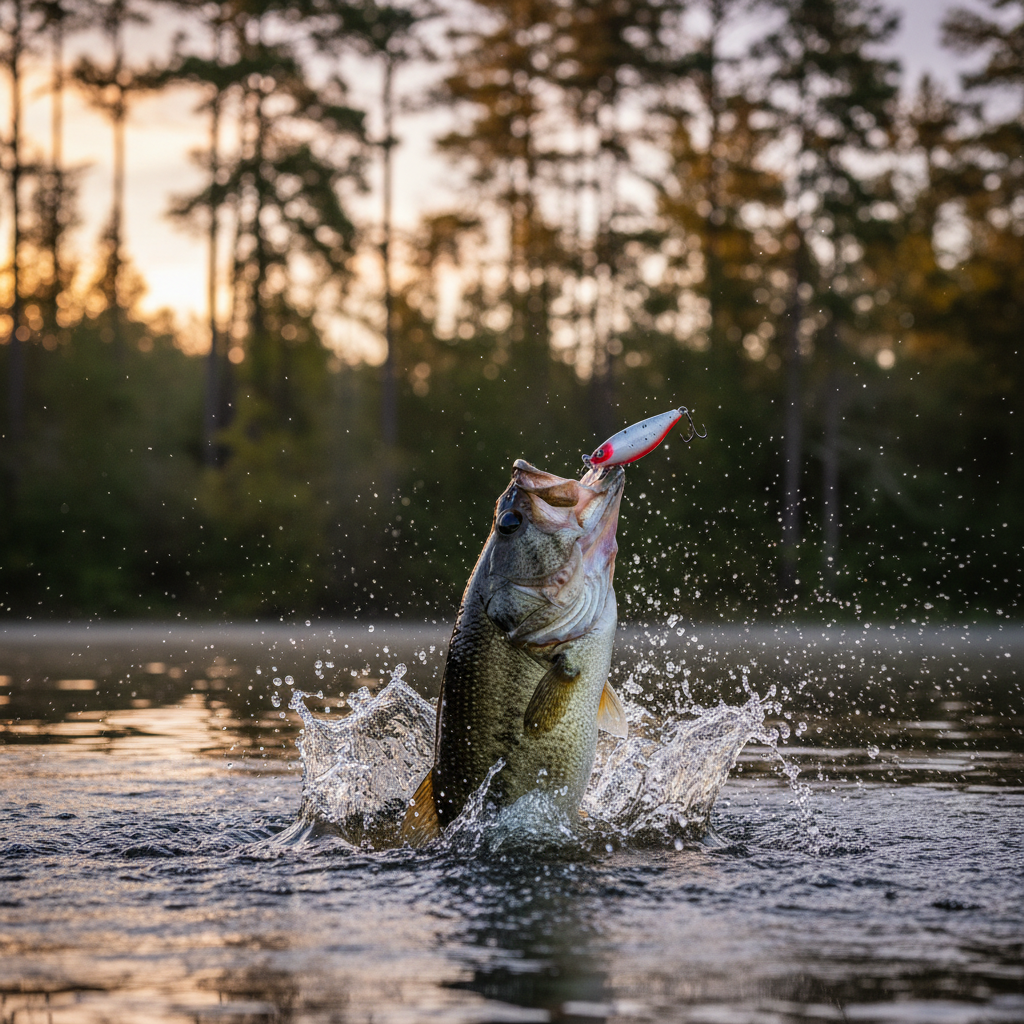
The Excitement of Topwater Fishing
There's nothing quite like the explosive strike of a fish on a topwater lure. The visual spectacle, the sudden splash, and the adrenaline rush make topwater fishing one of the most exciting ways to catch fish. It’s not just about catching; it’s about experiencing the raw power and predatory instinct of fish right on the surface.
Why Topwater?
Topwater fishing isn't just thrilling; it's also incredibly effective under the right conditions. Fish are often looking upwards for prey, especially during low-light conditions or when baitfish are active on the surface. Understanding these conditions is key to successful topwater action.
Types of Topwater Lures
The world of topwater lures is diverse, each designed to mimic different distressed prey or create specific actions on the water's surface. Choosing the right lure for the situation is paramount.
Poppers
Poppers are characterized by their concave or cupped face, which displaces water when twitched, creating a 'chugging' or 'popping' sound. This action imitates baitfish struggling on the surface or frogs jumping into the water. They are excellent for drawing fish out of cover.
- Retrieve: Short twitches followed by pauses. Vary the retrieve speed and length of pause to see what the fish prefer.
- Best for: Bass, pike, and sometimes panfish.
Walk-the-Dog Lures (Stickbaits)
These elongated, often cylindrical lures are designed to be retrieved with a specific side-to-side, 'walking' motion. This erratic movement perfectly mimics an injured baitfish struggling to swim. Achieving the walk-the-dog retrieve requires a bit of practice but is incredibly rewarding.
- Retrieve: A steady rod tip twitch combined with reeling in slack. The rhythm is key.
- Best for: Largemouth bass, smallmouth bass, stripers, and redfish.
Prop Baits
Prop baits feature one or more propellers, typically at the front and/or rear, which churn water as the lure is retrieved. This creates a noisy, splashing disturbance that can attract fish from a distance. They are particularly effective when fish are aggressive.
- Retrieve: Steady retrieve, often with short stops. The prop does most of the work.
- Best for: Bass, pike, and musky.
Buzzbaits
While technically a topwater lure, buzzbaits are unique due to their large, rotating blade that creates a significant surface disturbance and gurgling sound. They are designed for fast retrieves and excel at covering large areas quickly.
- Retrieve: Constant, medium-to-fast retrieve to keep the blade spinning on the surface.
- Best for: Aggressive bass in relatively open water.
Topwater Fishing Techniques & Tips
Success with topwater lures often comes down to presentation and understanding fish behavior.
Timing is Everything
Topwater lures are generally most effective during low-light conditions – dawn, dusk, and overcast days. These are times when fish are often more active and less wary of feeding on the surface. During bright sunny days, fish might retreat to deeper, cooler waters or heavy cover.
Patience is a Virtue
After a cast, let your lure sit for a few seconds before beginning your retrieve. This allows the ripples to dissipate and gives any nearby fish a chance to notice the lure without being spooked by its entry into the water. Many strikes occur on this initial pause.
Vary Your Retrieve
Fish can be finicky. What worked yesterday might not work today. Experiment with different retrieve speeds, pause durations, and lure actions. Sometimes, an erratic, struggling retrieve is best; other times, a slow, deliberate 'walk' or 'pop' is more effective.
Focus on Cover and Structure
Cast your topwater lures near areas where fish are likely to ambush prey. This includes weed lines, lily pads, fallen trees, docks, and rocky outcrops. These areas provide cover and ambush points for predatory fish. For example, a Frog Lure skipped into lily pads can be incredibly effective.
Sharp Hooks Matter
Topwater strikes can be incredibly violent, but fish often swipe at the lure, making hooksets challenging. Ensure your hooks are razor-sharp to maximize your chances of connecting with a biting fish. Consider upgrading to sharper, stronger trebles if your lure comes with dull hooks.
The Right Gear
Medium-heavy to heavy power rods with a fast action are generally preferred for topwater fishing. They provide the backbone needed to cast larger lures and to drive hooks home. A baitcasting reel with a moderate gear ratio (around 6.1:1 to 7.1:1) is versatile, and monofilament line is often favored for its buoyancy and stretch, which can help prevent tearing the hooks out of a fish's mouth during aggressive strikes. A good quality Topwater Rod can make all the difference.
Conclusion
Topwater fishing is an exhilarating and effective technique that every angler should experience. By understanding the different lure types, mastering the retrieves, and applying these tips, you'll be well on your way to experiencing those unforgettable, heart-stopping surface strikes. So grab your gear, head out at dawn or dusk, and get ready for some explosive action!