
Mastering the Art of Jigging for Bass
Unlock the secrets of jigging for bass! Learn about choosing the right lures, techniques, and presentation for a successful day on the water.
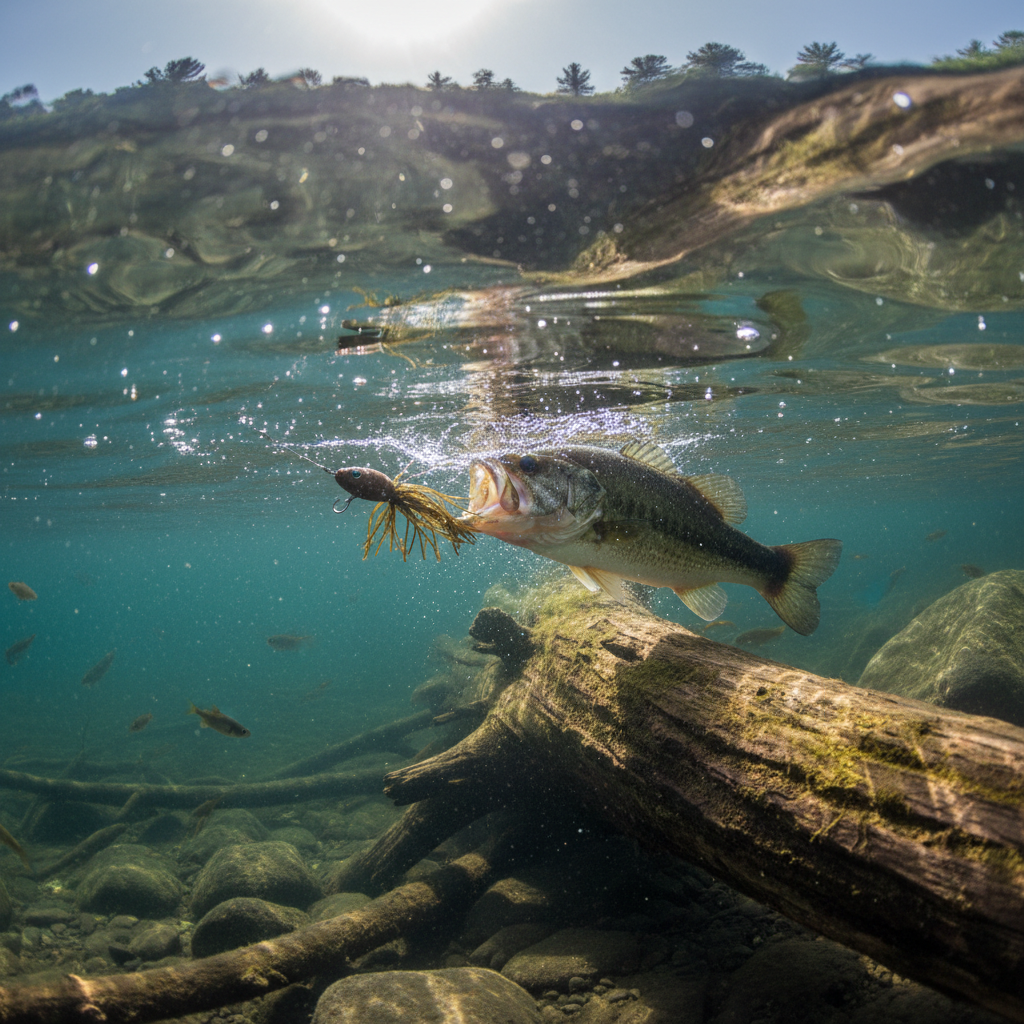
Jigging for bass is an incredibly effective and exciting fishing technique that can lead to some truly memorable catches. Whether you're a seasoned angler or just starting out, understanding the nuances of jigging can significantly improve your success rate. This guide will walk you through everything you need to know, from selecting the perfect lure to mastering the retrieve.
Why Jigging Works for Bass
Bass are ambush predators, and a well-presented jig mimics a wounded baitfish or crawfish, making it an irresistible target. The controlled, vertical motion of a jig allows you to target specific depths and structures where bass are likely to be hiding, such as submerged logs, rock piles, or weed lines. This precision is what makes jigging so effective, especially when other techniques might fall short.
Essential Jigging Lures for Bass
When it comes to jigs, variety is key. The type of jig you choose will depend on the water conditions, the depth you're fishing, and the mood of the bass. Here are some of the most popular and effective options:
- Football Jigs: Named for their football-shaped heads, these jigs are excellent for fishing rocky bottoms. Their design helps them resist snagging and allows them to crawl over obstructions, resembling a crawfish.
- Flipping and Pitching Jigs: These jigs typically have a more compact head and a weed guard, making them ideal for fishing in heavy cover like brush piles, lily pads, and thick grass. They're designed to penetrate cover without getting hung up.
- Swim Jigs: With a hydrodynamic head and often a paddle-tail trailer, swim jigs are designed to be retrieved steadily through the water column, mimicking a swimming baitfish. They're incredibly versatile and can be fished in open water or around cover.
- Finesse Jigs: Smaller and more subtle, finesse jigs are perfect for pressured waters or when bass are finicky. They offer a more natural presentation that can trigger bites from cautious fish.
For an excellent option that combines versatility and performance, consider the Premium 20g Metal Jig Fishing Lure. While primarily designed for longer casts and aggressive strikes, its compact profile and realistic baitfish design can be surprisingly effective when jigging for bass in open water or around moderate cover.
Mastering Jigging Techniques
Once you have your jigs, it's time to learn how to present them effectively. The beauty of jigging lies in its versatility; there are numerous retrieves to experiment with:
The Lift and Fall (or Hop)
This is perhaps the most fundamental jigging technique. Cast your jig out and let it sink to the bottom. Once it's there, lift your rod tip sharply, moving the jig a foot or two off the bottom, then let it fall back down on a slack line. Pay close attention during the fall, as many strikes occur as the jig descends. Vary the speed and height of your lifts until you find what the bass respond to.
The Drag
Ideal for fishing muddy or hard bottoms, the drag involves slowly pulling your jig along the bottom with your rod tip, keeping constant contact with the lure. This creates a disturbance that can attract bass, mimicking a crawfish foraging. Periodically, pause your retrieve to let the jig settle or give it a slight hop.
Swimming the Jig
As the name suggests, this technique involves retrieving your jig more like a crankbait or spinnerbait. Cast it out and reel it back steadily, allowing the jig to swim through the water. This is particularly effective with swim jigs and can be deadly when bass are chasing baitfish. Experiment with different retrieve speeds and occasional pauses to entice strikes.
Adding Trailers and Scent
To enhance your jig's appeal, always consider adding a trailer. Soft plastic trailers, such as crawfish imitations, grubs, or paddle-tail swimbaits, add bulk, action, and profile to your jig. The color of your trailer can also be crucial; match it to the local forage or use contrasting colors to create a visual target. Additionally, applying a scent to your jig and trailer can significantly increase your chances of a bite, especially in clear water or when fish are less active.
The Right Gear Makes a Difference
A medium-heavy to heavy casting rod with a fast action is generally preferred for jigging. This allows for powerful hooksets and the ability to control larger bass. Pair it with a baitcasting reel spooled with fluorocarbon or braided line. Fluorocarbon offers excellent sensitivity and low visibility, while braid provides superior strength and no stretch, making it easier to feel subtle bites.
Jigging for bass is a rewarding technique that requires patience, practice, and a willingness to experiment. By understanding the different types of jigs, mastering various retrieval methods, and optimizing your gear, you'll be well on your way to consistent success on the water. So tie on a favorite jig, head to your favorite fishing spot, and get ready for some exciting bass action!