Mastering the Art of Fly Fishing for Trout
Unlock the secrets to successful fly fishing for trout. Learn about essential gear, techniques, and prime locations to land that trophy catch.
Mastering the Art of Fly Fishing for Trout
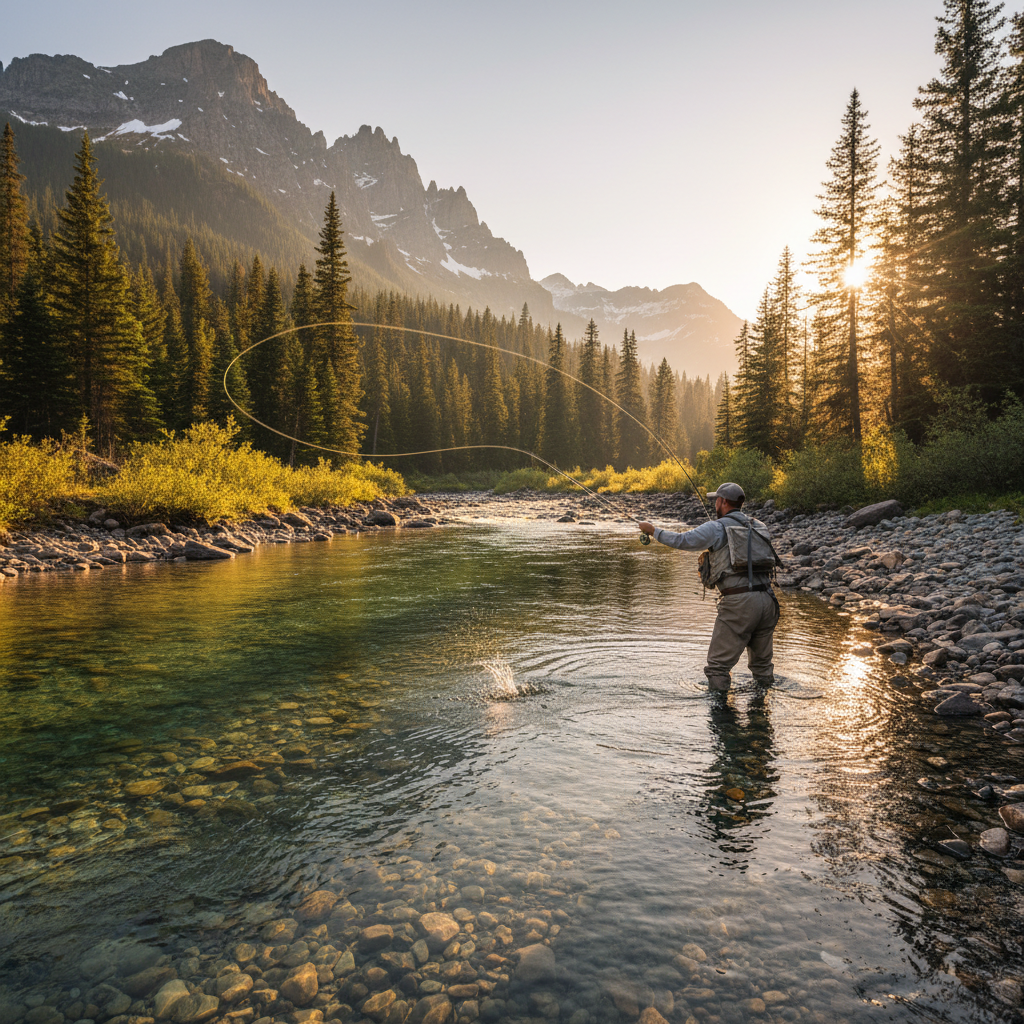
Fly fishing for trout is more than just a technique; it's an art form, a dance between angler and nature that offers immense satisfaction. The gentle rhythm of the cast, the careful selection of the fly, and the thrill of a rising fish all contribute to an unforgettable experience. If you're looking to elevate your angling game and immerse yourself in the serene beauty of rivers and streams, fly fishing for trout is a rewarding pursuit.
Understanding Trout Behavior: Key to Success
Before you even think about casting, understanding trout behavior is paramount. Trout are opportunistic feeders, but they can also be incredibly selective. Their diet largely depends on what insects are hatching or available in the water at any given time. Factors like water temperature, clarity, oxygen levels, and current speed all influence where trout will hold and what they'll eat.
- Riffles and Runs: These oxygen-rich areas often hold actively feeding trout. Look for them behind obstacles where the current is broken.
- Pools and Eddies: Deeper, slower-moving water provides shelter and a place for trout to rest, especially larger ones.
- Undercut Banks and Submerged Structure: These offer protection from predators and strong currents, making them prime holding spots.
Observing the water for insect activity – caddisflies, mayflies, stoneflies – will give you clues about what flies to use. Matching the hatch is often critical for success.
Essential Fly Fishing Gear for Trout
Having the right equipment makes a significant difference in your fly fishing journey. While it can seem overwhelming at first, focusing on the essentials will get you started.
Rod and Reel Selection
For most trout fishing, a 5-weight, 9-foot fly rod is an excellent all-around choice. It's versatile enough to handle various fly sizes and fish sizes. Pair this with a matching 5-weight fly reel that has a smooth drag system. The reel's primary job is to hold line and provide drag for fighting larger fish, so don't overspend here initially.
- Rod Action: A medium-fast action rod is great for beginners, offering a good balance of casting power and delicate presentation.
- Line: A weight-forward (WF) floating line is standard for most dry fly and nymph fishing.
Fly Selection: Matching the Hatch
The world of flies is vast, but you don't need every single one. Start with a selection of proven patterns:
- Dry Flies: Imitate adult insects on the water's surface. Think Parachute Adams, Elk Hair Caddis, Royal Wulff. These are incredibly exciting when trout rise to them.
- Nymphs: Represent immature aquatic insects living on the stream bed. Popular choices include Pheasant Tail, Hare's Ear, and Prince Nymph. These are often fished subsurface.
- Streamers: Mimic baitfish or larger aquatic creatures. Woolly Buggers in various colors are a must-have.
Don't forget leaders and tippets. A 9-foot, 4x or 5x tapered leader connected to your fly line, with sections of matching tippet (fluorocarbon or monofilament) added as needed, is standard. For a versatile tippet choice, consider something like the Precision Monofilament Tippet.
Casting Techniques: The Foundation
Effective casting is the cornerstone of fly fishing. It’s about rhythm and timing, not brute force.
Basic Overhead Cast
This is the fundamental cast. It involves a smooth backcast to load the rod and a controlled forward cast to present the fly. Practice makes perfect. Focus on a smooth acceleration and a crisp stop at 10 o'clock and 2 o'clock positions.
Roll Cast
Useful when you have limited backcasting room. It involves rolling the line forward off the water directly in front of you. Essential for tight spots.
Reading the Water and Presentation
Once you're on the water, spend time observing. Look for rising fish, insect activity, and likely holding lies. Your presentation needs to be delicate and natural. Drag-free drifts are key, especially with dry flies and nymphs. Mend your line upstream to avoid drag that pulls your fly unnaturally.
Ethical Angling and Conservation
Remember to practice catch and release, especially for wild trout. Handle fish minimally with wet hands, and release them quickly. Be mindful of your surroundings, pack out all trash, and respect private property. Consider durable waders for comfort and safety in various conditions, such as the River Stride Waders.
Fly fishing for trout offers a lifetime of learning and enjoyment. With patience, practice, and a respect for nature, you’ll soon be enjoying the quiet satisfaction of a successful day on the water.