Mastering the Art of Fly Fishing for Trout
Unlock the secrets to successful trout fly fishing with our comprehensive guide, covering techniques, gear, and essential tips.
Mastering the Art of Fly Fishing for Trout
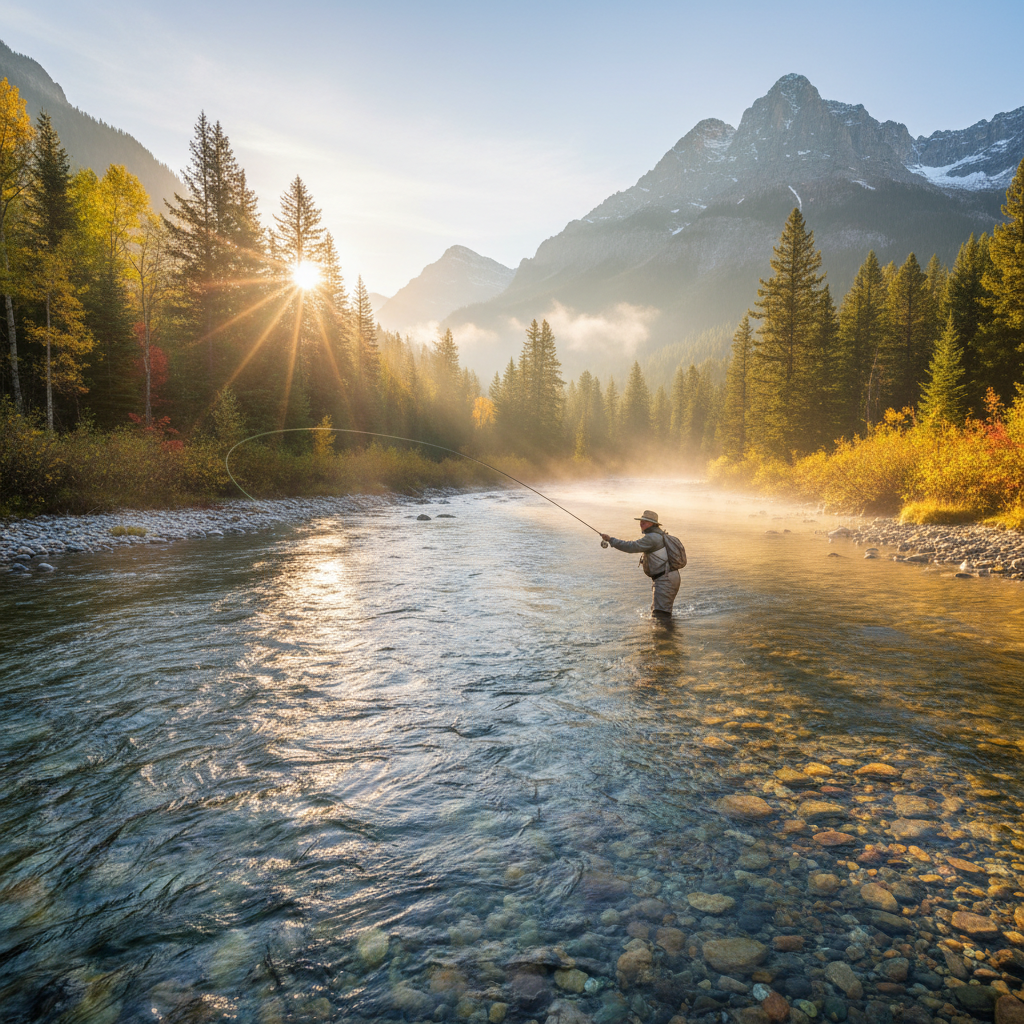
Fly fishing for trout is more than just a hobby; it's an art form, a dance between angler and nature. The gentle cast, the delicate presentation, the thrilling strike – it all comes together to create an unforgettable outdoor experience. If you're looking to elevate your trout fishing game, you've come to the right place. This guide will walk you through the essential techniques, gear considerations, and expert tips to help you become a master fly angler.
Understanding Trout Behavior and Habitat
Before you even think about casting, it's crucial to understand the elusive trout. Different species, like Rainbow, Brown, and Brook trout, have unique preferences. Generally, trout favor clear, cool, and well-oxygenated waters. You'll often find them in rivers, streams, and pristine mountain lakes. Look for areas with structure – submerged logs, rocks, undercut banks, and eddies – where they can find cover and ambush prey. Their diet primarily consists of insects, both aquatic and terrestrial, as well as smaller fish and crustaceans. Observing insect hatches is key to matching your fly to what they're actively feeding on.
Essential Fly Fishing Gear
Having the right equipment is paramount for a successful fly fishing trip. Here’s a breakdown of what you'll need:
- Fly Rod: For trout, a 4-weight or 5-weight rod, typically 8.5 to 9 feet long, is a versatile choice. Lighter rods (2 or 3-weight) are excellent for smaller streams and more delicate presentations, while heavier rods (6-weight) can handle larger trout and windy conditions.
- Fly Reel: A simple, single-action reel with a smooth drag system is sufficient for most trout fishing. Its primary purpose is to store line and provide drag when a fish runs.
- Fly Line: This is where the