Mastering the Art of Fly Fishing for Trout
Unlock the secrets to successful fly fishing for trout. Learn essential techniques, gear tips, and discover the best flies for your next adventure.
Mastering the Art of Fly Fishing for Trout
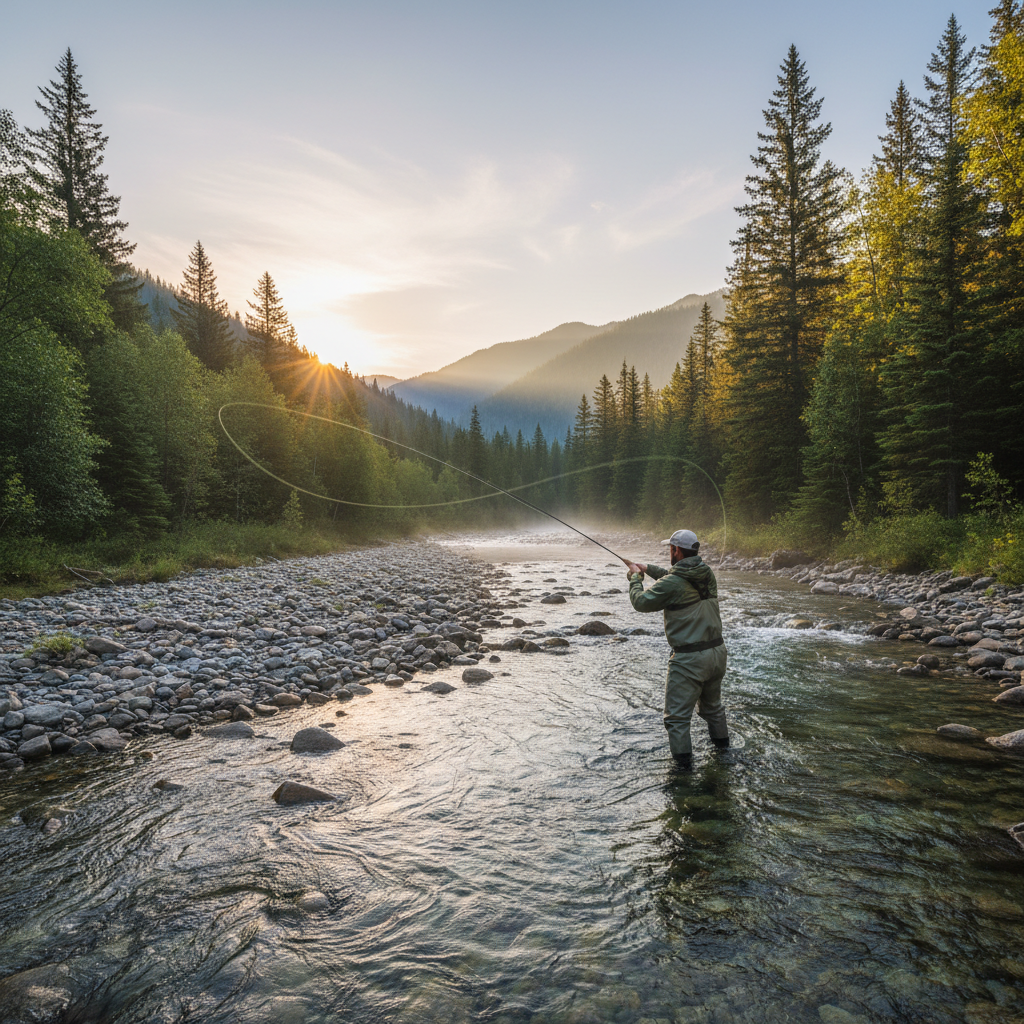
Fly fishing for trout is more than just a hobby; it's an art form, a dance between angler and nature that requires patience, precision, and a deep understanding of aquatic ecosystems. There's an undeniable allure to presenting a tiny, handcrafted fly to a wily trout, mimicking its natural prey, and feeling that subtle tug as it takes the bait. If you're looking to elevate your angling game, this guide will equip you with the knowledge to pursue trout effectively with a fly rod.
Understanding Trout Behavior and Habitat
Before you even cast a line, understanding where trout live and what they eat is paramount. Trout thrive in cold, clean, oxygen-rich waters – think mountain streams, rivers, and pristine lakes. They are opportunistic feeders, preying on insects (both aquatic and terrestrial), small fish, crustaceans, and even amphibians. Their feeding patterns are heavily influenced by insect hatches, water temperature, and light conditions.
Look for trout in areas that offer cover and food. This includes:
- Riffles and Runs: Oxygenated water where insects are dislodged.
- Pools: Deeper, slower-moving water offering refuge and opportunities for larger insects to gather.
- Undercut Banks and Submerged Structure: Excellent hiding spots from predators and strong currents.
- Confluence of Streams: Where two water bodies meet, often creating a rich food source.
Essential Fly Fishing Gear
Having the right equipment is crucial for a successful fly fishing trip. While the exact setup can vary, here’s a basic rundown:
Fly Rod and Reel
A common choice for trout is a 9-foot, 5-weight fly rod, offering versatility for various fly sizes and casting conditions. Pair it with a matching fly reel that has a smooth drag system. For beginners, a combo like the Beginner Fly Fishing Combo can be an excellent starting point.
Fly Line and Leader
A weight-forward floating line is a good all-around choice. Connect your fly line to a tapered leader, which helps transfer casting energy smoothly and presents your fly naturally. A 9-foot leader tapering to 4x or 5x tippet is a standard for trout.
Flies: Matching the Hatch
This is where the art truly comes in. "Matching the hatch" means selecting a fly that closely imitates the insects currently present in the water. Carry an assortment of dry flies (for surface feeding), nymphs (for subsurface), and streamers (for imitating baitfish). Popular trout flies include:
- Dry Flies: Elk Hair Caddis, Parachute Adams, Royal Wulff
- Nymphs: Pheasant Tail, Hare's Ear, Prince Nymph
- Streamers: Woolly Bugger, Clouser Minnow
Consider a versatile fly assortment like the Ultimate Trout Fly Kit to be prepared for various conditions.
Key Fly Fishing Techniques
The Basic Cast
Mastering the fundamental overhead cast is your first step. It involves a smooth backcast and forward cast, accelerating the rod to load the line and then stopping abruptly to propel the fly forward. Practice in an open field to develop muscle memory and accuracy.
Drifting and Presentation
For most dry fly and nymph fishing, a natural, drag-free drift is critical. This means your fly moves at the same speed as the current, without any unnatural tugging from your fly line. Mend your line (throwing a loop upstream or downstream) to achieve this.
Reading the Water
Learn to identify feeding lanes, current seams, and holding lies. Observe insect activity and look for rising trout. The more you watch the water, the better you'll become at anticipating where trout will be.
Conservation and Ethics
Always practice catch and release, especially for native or wild trout. Handle fish gently with wet hands, minimize their time out of water, and use barbless hooks. Respect private property, pack out all trash, and leave no trace. Your actions ensure these pristine environments remain healthy for future generations of anglers.
Fly fishing for trout is a journey of continuous learning and connection with nature. With practice, patience, and a deep appreciation for the environment, you'll soon be enjoying the serene challenge of this beautiful sport.