Mastering the Art of Fly Fishing for Trout
Unlock the secrets to successful fly fishing for trout. Learn essential techniques, gear tips, and presentation strategies for a fulfilling angling experience.
Mastering the Art of Fly Fishing for Trout
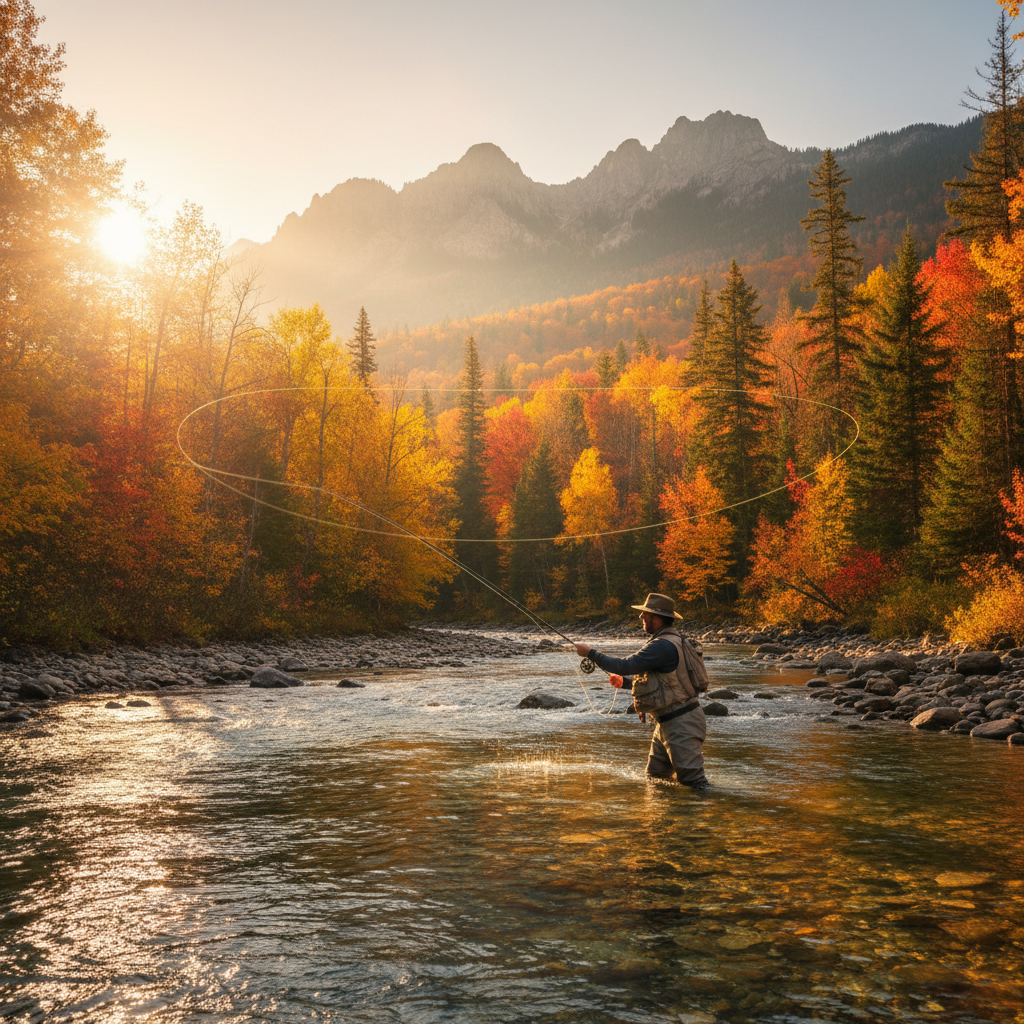
Fly fishing for trout is more than just a hobby; it's an art form that connects anglers with nature in a profound way. The gentle ripple of the stream, the rhythmic cast of the line, and the thrilling moment a trout takes your fly – it all combines to create an unforgettable experience. Whether you're a seasoned fly fisher or just starting, understanding the nuances of this technique can significantly improve your success rate.
Understanding Trout Behavior and Habitat
Before you even think about casting, it's crucial to understand where trout live and what they eat. Trout prefer cool, oxygen-rich waters, often found in rivers, streams, and pristine lakes. They tend to hide in areas that offer protection and easy access to food, such as:
- Riffles: Shallow, rocky areas with fast-moving water, rich in insect life.
- Pools: Deeper, calmer sections often found downstream from riffles, providing a resting place.
- Undercut Banks: Overhanging banks offer excellent cover from predators and strong currents.
- Log Jams and Boulders: These structures break the current and create pockets of calm water where trout can ambush prey.
Knowing these prime locations will help you pinpoint where to present your fly for the best results.
Essential Fly Fishing Gear
Having the right equipment is paramount for an enjoyable fly fishing trip. Here's a breakdown of the essentials:
- Fly Rod: A 5-weight, 9-foot rod is a versatile choice for most trout fishing scenarios.
- Fly Reel: Choose a reel that balances your rod and has a smooth drag system.
- Fly Line: A weight-forward floating line is a good starting point for most beginners.
- Leaders and Tippets: These are crucial for presenting your fly naturally. (Learn about our premium leaders)
- Flies: A selection of dry flies, nymphs, and streamers will prepare you for various conditions. Consider our starter fly kit for a diverse collection.
- Waders and Boots: Essential for staying dry and comfortable while wading.
Casting Techniques for Success
Your casting technique is the foundation of effective fly fishing. While there are many variations, mastering the basic overhead cast is key.
The Overhead Cast
1. The Pickup: Lift the line smoothly off the water, bringing the rod to an upright position.
2. The Back Cast: Accelerate the rod backward, stopping abruptly at the 1 o'clock position. Allow the line to unfurl behind you.
3. The Forward Cast: As the line straightens behind you, bring the rod forward with a crisp acceleration, stopping around the 10 o'clock position. Aim for a smooth, unrolling loop.
Practice makes perfect! Focus on smooth, deliberate movements rather than brute force.
Fly Selection and Presentation
Matching the hatch (selecting a fly that imitates the insects trout are currently feeding on) is a critical aspect of fly fishing. Observe the water for rising fish and emerging insects to guide your selection.
- Dry Flies: Used to imitate insects on the surface. Present them gently upstream of your target, allowing them to drift naturally.
- Nymphs: Represent insect larvae and pupae beneath the surface. Use an indicator to detect strikes and dead-drift them along the bottom.
- Streamers: Imitate baitfish or larger aquatic insects. Strip them through the water to create an enticing swimming action.
Reading the Water and Approaching with Stealth
Successful fly fishing also involves understanding how to