
Mastering the Art of Fly Fishing for Trout
Unlock the secrets to successful fly fishing for trout. Learn about essential gear, casting techniques, and reading the water to enhance your angling experience.
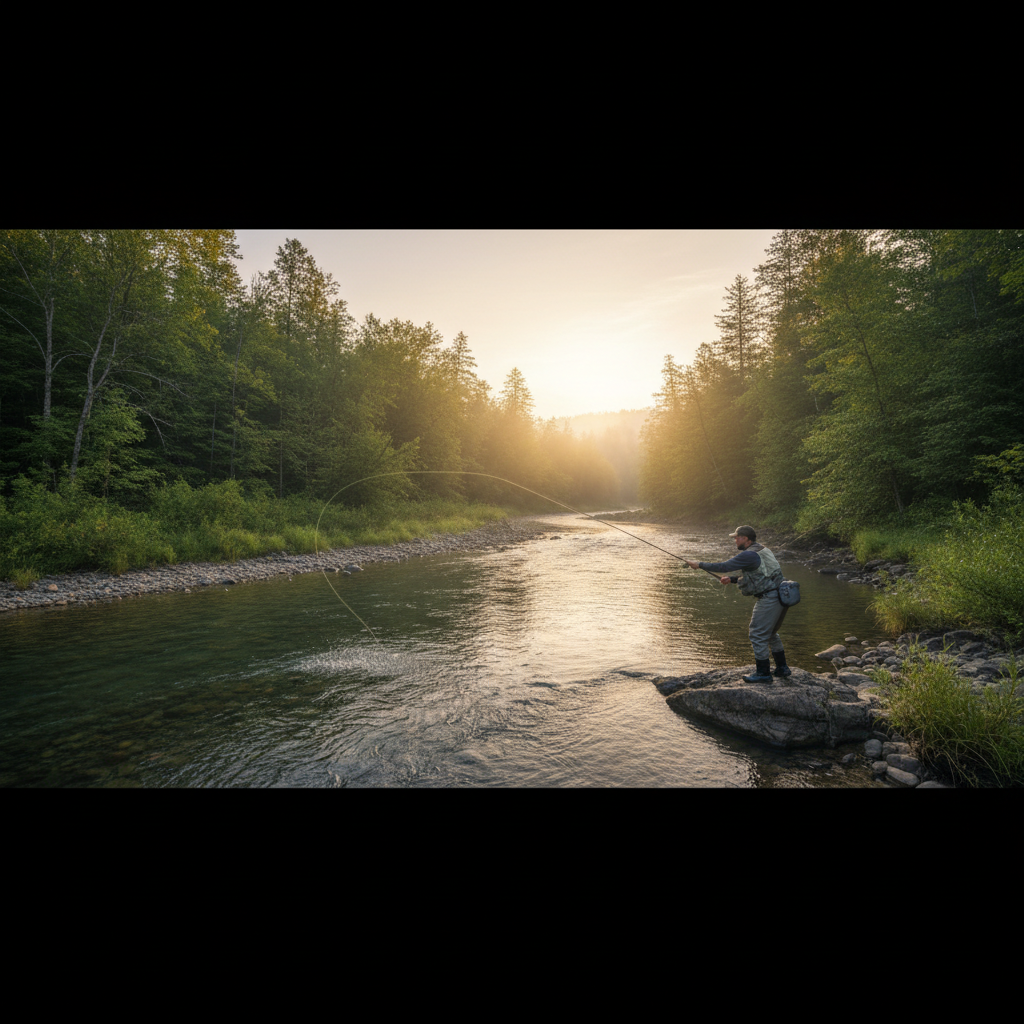
Fly fishing for trout is more than just a hobby; it's an art form that connects you with nature in a unique way. The gentle ripple of the river, the precise flick of the wrist, and the anticipation of a bite all contribute to an experience that's both challenging and deeply rewarding. But where do you begin on this journey to becoming a proficient fly angler?
Essential Fly Fishing Gear
Before you even think about casting, having the right equipment is crucial. A good fly rod and reel are the foundation of your setup. For trout, a 4-weight to 6-weight rod is typically ideal, offering a good balance of power and sensitivity. Pair this with a matching fly reel that has a smooth drag system. Don't forget your fly line, leader, and tippet – these are the critical connections between you and the fish.
Choosing the Right Flies
One of the most exciting aspects of fly fishing is selecting your flies. These artificial insects mimic the natural food sources of trout. You'll want to carry a variety, including dry flies (for surface feeding), nymphs (for subsurface feeding), and streamers (for predatory strikes). Understanding the local insect hatch is key to choosing the most effective fly for the day. For a versatile option that works in many conditions, consider a well-tied classic dry fly assortment.
Perfecting Your Casting Technique
A smooth, controlled cast is the hallmark of an experienced fly angler. The basic overhead cast is a great place to start. It involves a backward cast to load the rod with energy, followed by a forward cast that propels the line and fly towards your target. Practice makes perfect, so spend time on the water, or even in your backyard, refining your timing and accuracy. Focus on a fluid motion and avoid jerky movements.
Reading the Water
Trout are creatures of habit, and understanding where they hold in a river or stream is vital. Look for areas with slower currents, such as eddies behind rocks, deep pools, and undercut banks. These spots provide shelter and easy access to food. Changes in water color or texture can also indicate deeper sections or submerged structures where trout might be hiding. The ability to