Mastering the Art of Fly Fishing for Trout
Unlock the secrets to successful fly fishing for trout. Learn essential techniques, gear tips, and approach strategies for a rewarding experience.
The Gentle Art: Mastering Fly Fishing for Trout
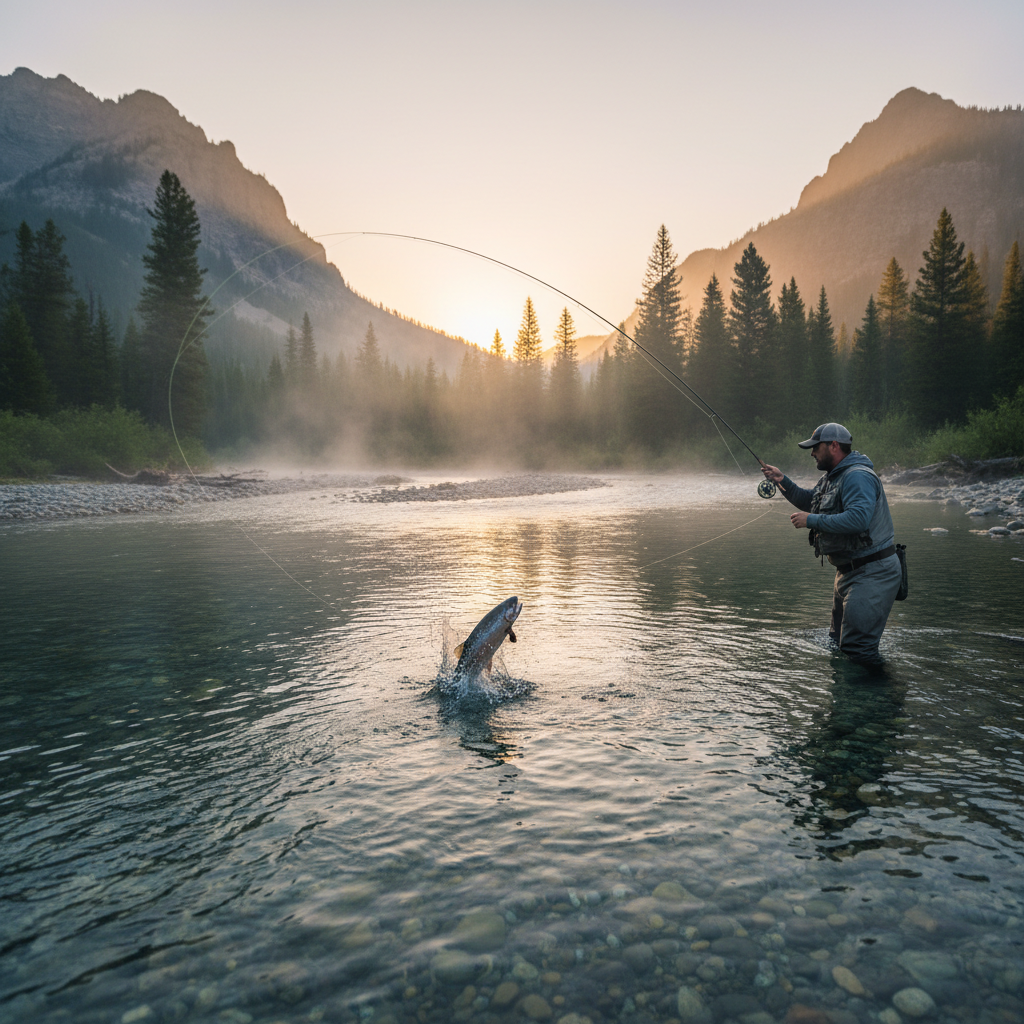
Fly fishing for trout is more than just a technique; it's an art form, a dance between angler and nature. The rhythmic cast, the delicate presentation, the thrill of a rising trout – it’s an experience that captivates anglers worldwide. Whether you're a beginner eager to learn or an experienced fly fisher looking to refine your skills, understanding the nuances of this pursuit will elevate your success.
Understanding Trout Behavior and Habitats
Trout are creatures of habit and opportunity. They seek out cool, oxygenated water, often found in riffles, runs, and the deeper pools of rivers and streams. Their diet varies greatly depending on the season and the available insect life. Understanding these patterns is crucial for selecting the right fly and presenting it effectively.
- Riffles and Runs: These areas, characterized by broken water, are prime feeding grounds where insects are dislodged from the substrate.
- Pools and Eddies: Deeper, slower-moving water provides shelter and a resting place, especially for larger trout.
- Undercut Banks and Structure: These offer cover from predators and strong currents, making them excellent ambush points for feeding.
Essential Fly Fishing Gear
Having the right equipment is fundamental to effective fly fishing. Here’s a breakdown of what you'll need:
- Fly Rod and Reel: A 5 or 6-weight rod is a versatile choice for most trout fishing scenarios. Pair it with a matching reel that balances the rod.
- Fly Line: A weight-forward floating line is a good starting point for general trout fishing. Consider specialized lines for specific techniques like nymphing or streamer fishing.
- Leaders and Tippets: These are crucial for a stealthy presentation. A 9-foot tapered leader with a tippet of 4x to 6x is a common setup.
- Flies: Your fly box should contain a variety of patterns to match different insect hatches and conditions. Dry flies, nymphs, and streamers are essential categories. For example, a reliable Dry Fly Assortment can be a game-changer.
Fundamental Casting Techniques
Effective casting is the cornerstone of fly fishing. The goal is to present your fly gently and accurately, minimizing disturbance to the water.
- Basic Overhead Cast: This is the foundational cast, used to propel the line forward and backward.
- Roll Cast: Ideal for situations with limited backcasting room, such as brushy banks or tight overhead cover.
- Mending: Learning to mend your line upstream or downstream helps extend your drift and prevents drag, making your fly look more natural to the trout.
Reading the Water and Approach Strategies
The most skilled fly fishers are often those who can