Mastering the Art of Fly Fishing for Trout
Unlock the secrets to successful fly fishing for trout. Learn essential techniques, gear tips, and presentation strategies for a rewarding experience.
The Gentle Art: Mastering Fly Fishing for Trout
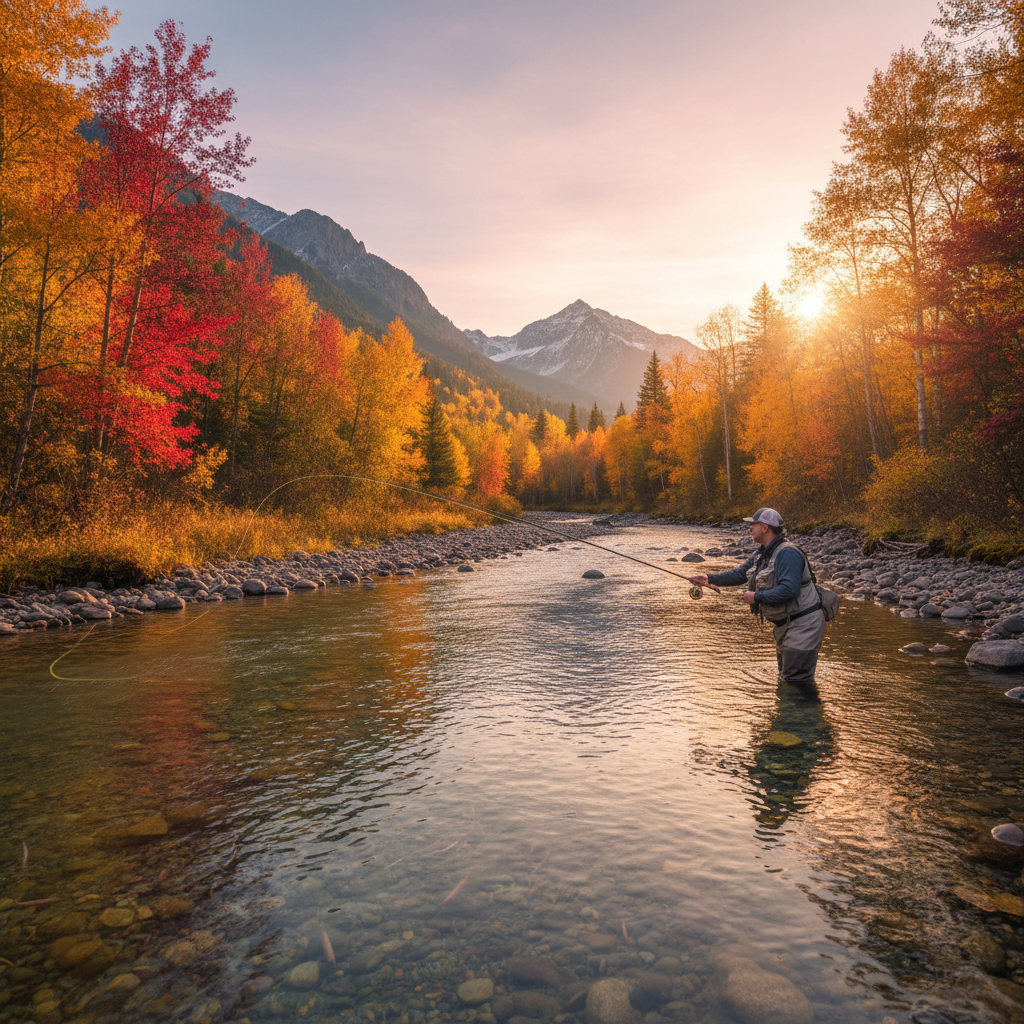
Fly fishing for trout is more than just a technique; it's an art form, a serene dance between angler and nature. The delicate flick of the wrist, the graceful arc of the line, and the subtle presentation of a tiny fly all contribute to the allure of this rewarding sport. If you've always been intrigued by fly fishing but felt intimidated, fear not! This guide will equip you with the fundamental knowledge to embark on your own fly fishing adventures.
Understanding Your Quarry: Trout Species
Before you even cast a line, it's crucial to understand the different trout species you might encounter. Common varieties include:
- Rainbow Trout: Known for their vibrant stripe and acrobatic fights.
- Brown Trout: Often more wary, challenging to catch, and can grow quite large.
- Brook Trout: Smaller, beautiful fish, often found in pristine mountain streams.
Each species has its preferences, but generally, trout favor cool, oxygenated water with plenty of cover like submerged logs, rocks, and undercut banks.
Essential Fly Fishing Gear
While fly fishing can seem complex with its specialized gear, it's easily broken down:
- Fly Rod: For beginners, a 5-weight, 9-foot rod is a versatile choice for most trout situations. Look for a rod with a moderate-fast action for easier casting.
- Fly Reel: A simple click-and-pawl or disc-drag reel will suffice. Its primary purpose is to hold your line.
- Fly Line: A weight-forward (WF) floating line matching your rod's weight is ideal for presenting dry flies and nymphs.
- Leader and Tippet: The leader tapers down from your fly line to a thin section called the tippet, to which you tie your fly. Different lengths and strengths are used depending on the fly and conditions.
- Flies: This is where the magic happens! Your fly box will contain an array of imitations, broadly categorized as:
* Dry Flies: Mimic insects floating on the surface (e.g., Elk Hair Caddis Fly).
* Nymphs: Imitate aquatic insect larvae living beneath the surface (e.g., Pheasant Tail Nymph).
* Streamers: Imitate baitfish or larger insects.
Casting Techniques: The Foundation
The fundamental cast in fly fishing is the overhead cast. It involves a smooth, controlled back cast and forward cast.
1. Grip: Hold the rod loosely, thumb on top of the grip.
2. Back Cast: With a smooth acceleration, bring the rod back to 1 o'clock, stopping abruptly to allow the line to unroll behind you.
3. Pause: Wait for the line to fully extend behind you (watch your line, not the rod tip!).
4. Forward Cast: Accelerate forward, stopping abruptly at 10 o'clock. The line will unroll in front of you, extending your fly toward the target.
Practice makes perfect! Start without a fly, just a piece of yarn, until you develop a smooth rhythm.
Presentation and Reading the Water
Presentation is key to fooling wary trout. Your goal is to make your fly drift naturally and without drag, mimicking an actual insect or baitfish.
- Dry Fly Presentation: Cast slightly upstream of your target, allowing the fly to float naturally downstream with the current. Mending – repositioning your fly line to avoid drag – is crucial here.
- Nymphing: Often involves using an indicator to detect strikes as your nymph drifts along the bottom. Proper weight and depth are vital.
- Streamer Fishing: Strip the streamer through the water to imitate a swimming baitfish, often effective for larger, aggressive trout.
Learning to read the water – identifying likely holding lies for trout – is an acquired skill. Look for seams where fast and slow water meet, eddies, riffles, and deeper pools. Trout are often found where food is abundant and cover is near.
Conservation and Ethics
Always practice catch and release, especially for wild trout, to preserve these precious fisheries. Handle fish gently, minimize their time out of water, and use barbless hooks. Respect the environment, pack out what you pack in, and leave no trace.
Fly fishing for trout offers endless opportunities for learning and connection with nature. With patience, practice, and a respect for the environment, you'll soon be enjoying the serene and rewarding experience of the gentle art.