Mastering the Art of Fly Fishing for Trout
Unlock the secrets to successful trout fly fishing. Learn essential techniques, gear tips, and how to read the water for an unforgettable experience.
Mastering the Art of Fly Fishing for Trout
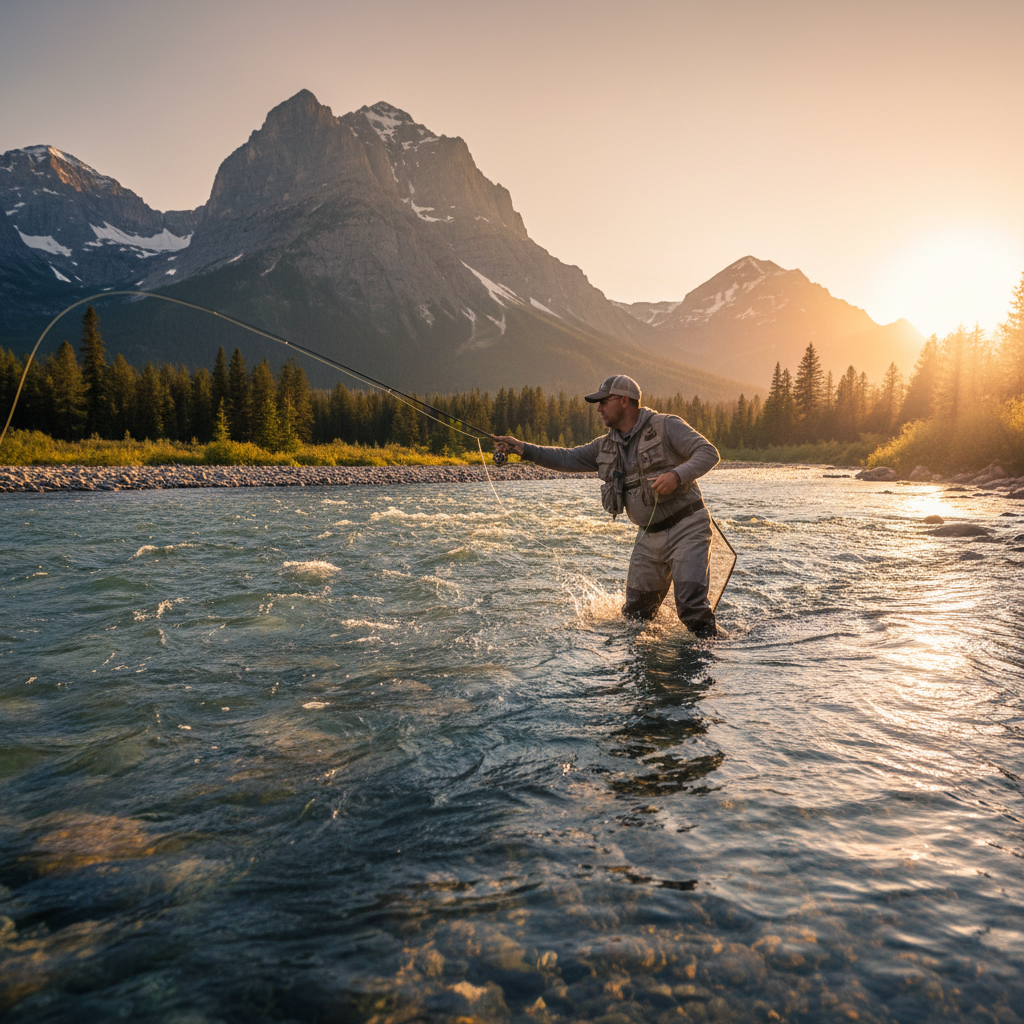
Fly fishing for trout is more than just a hobby; it's an art form, a dance between angler and nature. The rhythmic cast, the delicate presentation, and the thrilling strike all combine to create an experience unlike any other. Whether you're a seasoned fly fisher or just starting, understanding the nuances of this technique can elevate your success on the water.
Understanding Trout Behavior and Habitat
Before you even tie on your first fly, it's crucial to understand a trout's world. Trout are opportunistic feeders, meaning they'll eat whatever is available, from aquatic insects to small fish. They prefer cool, oxygenated water, often found in rivers, streams, and pristine lakes. Look for them in:
- Riffles and Runs: These areas, with their turbulent water, are prime feeding grounds where insects are dislodged.
- Pools: Deeper, calmer sections often hold larger trout seeking shelter and easy meals.
- Eddies and Seams: Where fast and slow water meet, food often collects, making these hot spots.
- Undercut Banks and Submerged Structures: These provide cover and ambush points for predatory trout.
Essential Gear for the Aspiring Fly Angler
Having the right equipment is fundamental to your fly fishing journey. It doesn't have to be the most expensive, but it should be reliable and suited to your target species and environment. Consider the following:
- Fly Rod and Reel: A 5-weight, 9-foot rod is a versatile choice for most trout situations. Pair it with a matching reel that balances the rod.
- Fly Line: Weight-forward floating lines are excellent for beginners, allowing for easier casting and presentation.
- Leaders and Tippet: A tapered leader connects your fly line to your fly, with tippet extending its length and reducing visibility to the fish. Our Premium Leaders are a great choice for strength and stealth.
- Flies: Your fly selection should mimic the local insect life. Essential patterns include dry flies (caddis, mayflies), nymphs (pheasant tail, hare's ear), and streamers (woolly bugger).
- Waders and Boots: Depending on your fishing location, waders are essential for staying dry and comfortable in the water. Look for durable, breathable options.
Key Fly Fishing Techniques to Master
Practice makes perfect when it comes to fly fishing. Focus on these core techniques:
The Basic Overhead Cast
The foundation of fly fishing, the overhead cast involves a smooth backcast and forward cast. Key principles include:
- Momentum, Not Muscle: Let the rod do the work.
- Stop High, Stop Low: Create tight loops for accuracy and distance.
- Varying Line Speed: Adjust for different conditions and fly weights.
Reading the Water
This skill is perhaps the most critical. Learn to identify where trout are likely to hold and feed based on current, structure, and insect presence. Look for rising fish, insect hatches, and subtle changes in water flow.
Presentation and Drift
The way your fly lands on and moves through the water is paramount. A