Mastering the Art of Fly Fishing for Trout
Unlock the secrets to successful fly fishing for trout. Learn about essential gear, casting techniques, and reading the water to enhance your angling skills.
Mastering the Art of Fly Fishing for Trout
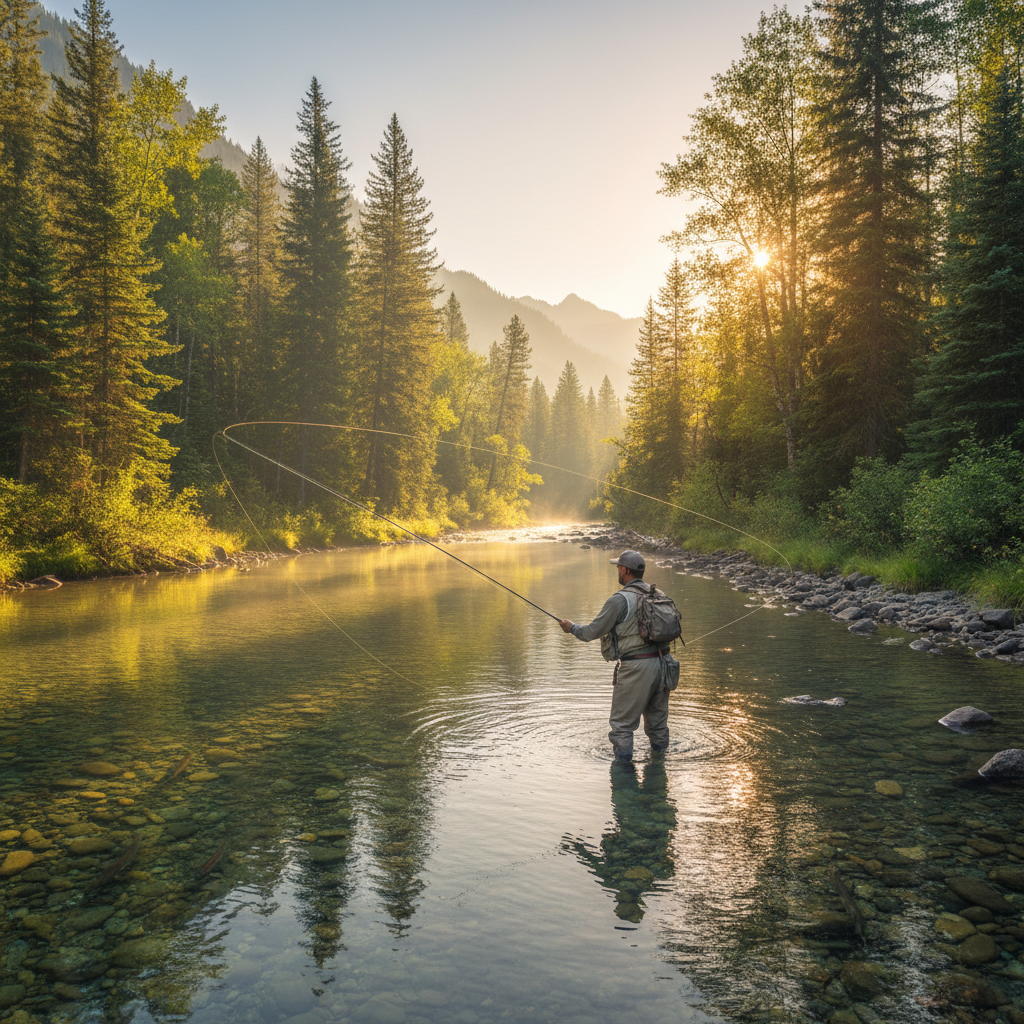
Fly fishing for trout is more than just a hobby; it's an art form that combines skill, patience, and a deep appreciation for nature. If you've always wanted to try your hand at this elegant pursuit or want to refine your existing skills, you've come to the right place. This guide will walk you through the essentials, from choosing the right gear to understanding trout behavior.
Essential Fly Fishing Gear
Before you even think about casting, you need to assemble your arsenal. The right equipment can make all the difference.
- Fly Rod and Reel: For trout, a 4- to 6-weight rod is typically ideal. Pair it with a matching reel that has a smooth drag system. Consider a versatile option like the Beginner Fly Rod Kit.
- Fly Line: A weight-forward floating line is a great all-around choice. You'll also need backing and a leader (tapered monofilament or fluorocarbon).
- Flies: This is where it gets exciting! Your fly selection will depend on the time of year and the insects present. Essential categories include dry flies, nymphs, and streamers. A good starting point would be a Trout Fly Assortment.
- Waders and Boots: Staying dry and comfortable is key, especially when wading in cold streams. Chest waders are popular for their versatility.
- Accessories: Don't forget a landing net, forceps or hemostats for hook removal, nippers for cutting line, and a vest or pack to carry your gear.
Understanding Trout Behavior and Habitat
To catch trout, you must think like a trout. They are masters of their environment, constantly seeking food and shelter.
- Reading the Water: Look for seams where faster and slower currents meet, deep pools, undercut banks, and areas around submerged logs or rocks. These are prime hiding and feeding spots.
- Insect Hatches: Trout feed heavily during insect hatches. Learn to identify common aquatic insects in your area, such as mayflies, caddisflies, and stoneflies, and match your flies to what they're eating.
- Water Temperature: Trout are cold-water fish, preferring temperatures between 50-65°F (10-18°C). During warmer months, they'll seek deeper, cooler water.
Basic Fly Casting Techniques
Casting might seem daunting at first, but with practice, it becomes second nature.
1. The Pick-Up and Lay-Down Cast: Start with about 15-20 feet of line out. Lift the rod smoothly, accelerating to a stop at 1 o'clock. Wait for the line to unroll behind you, then bring the rod forward, stopping at 10 o'clock.
2. False Casting: This is used to lengthen line, dry your fly, and change direction. It involves multiple back-and-forth casts without letting the fly touch the water.
3. Roll Cast: Useful when you have obstructions behind you. It allows you to cast without a backcast.
Presentation and Drift
Getting your fly to drift naturally with the current, known as a