Mastering the Art of Fly Fishing for Trout
Unlock the secrets to successful fly fishing for trout. Learn essential techniques, gear tips, and presentation strategies for a fulfilling angling experience.
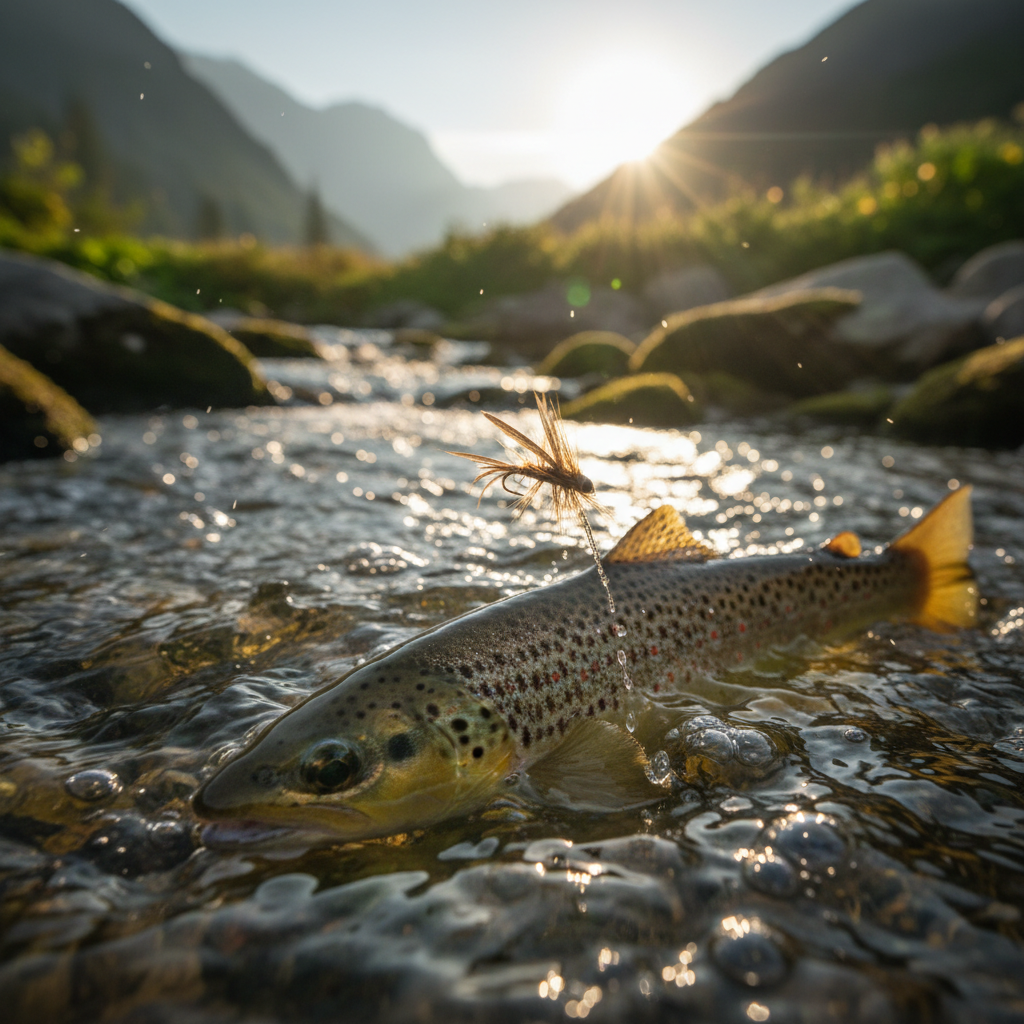
Mastering the Art of Fly Fishing for Trout
Fly fishing for trout is more than just a hobby—it's an art form that combines skill, patience, and a deep appreciation for nature. For many anglers, there's nothing quite like the delicate dance of a fly on the water, enticing a wary trout to strike. If you're looking to elevate your fly fishing game, or simply get started, this guide will provide you with the essential techniques and knowledge you need to succeed.
Understanding Trout Behavior
Before you even cast a line, it's crucial to understand the behavior of trout. They are opportunistic feeders, constantly looking for insects, small fish, and other aquatic creatures. Their behavior is heavily influenced by factors such as water temperature, light conditions, and the availability of food. Look for trout in areas with good cover, like fallen logs, rocks, and undercut banks, as these spots offer both protection and ambush points for feeding.
Essential Fly Fishing Gear
To begin your fly fishing journey, you'll need some basic equipment. A good quality rod and reel setup is paramount. For most trout fishing, a 5 or 6-weight rod is a versatile choice, paired with a matching reel. Don't forget your fly line, leader, and tippet – these are crucial for proper presentation. You'll also need a selection of flies, depending on the prevalent insect hatches in your chosen location. Consider a versatile fly box to keep your flies organized and protected. While we don't have a specific product to link here, imagine a perfect Fly Fishing Starter Kit that includes a rod, reel, line, and a selection of essential flies.
Key Casting Techniques
The cast is the heart of fly fishing. Mastering a few fundamental casts will greatly improve your success rate.
- The Basic Overhead Cast: This is the most common and fundamental cast. It involves a smooth back-and-forth motion, allowing the fly line to unroll in front of you. Focus on a controlled stop at the end of both the backcast and the forward cast to achieve tight loops.
- Roll Cast: Ideal for situations with limited backcasting space, such as when fishing in brushy areas. The roll cast uses the water's surface tension to load the rod and propel the line forward.
- Reach Cast: This cast helps present the fly upstream or downstream of the fly line, reducing drag and allowing for a more natural drift.
Nymphing Techniques
Nymphing is arguably one of the most effective ways to catch trout, as trout feed subsurface for about 90% of their diet. Nymphs are immature aquatic insects that live on the riverbed.
Indicator Nymphing
This technique involves using a strike indicator (a small bobber) to detect subtle takes. The indicator helps you control the depth of your nymphs and signals when a fish has taken your fly. Focus on maintaining a drag-free drift, allowing your nymphs to tumble naturally with the current.
European Nymphing (Tightline Nymphing)
This advanced technique uses specialized leaders and no indicator, relying on direct contact with the flies to detect strikes. It's incredibly effective in faster currents and allows for precise depth control. It's a method that truly connects you to the underwater world.
Dry Fly Fishing Strategies
When trout are rising to feed on adult insects on the surface, dry fly fishing offers some of the most exciting action. The key here is imitation and presentation.
- Matching the Hatch: Observe what insects are hatching on the water and select a fly that closely resembles them in size, shape, and color. This is critical for fooling selective trout.
- Drag-Free Drift: Your dry fly must drift naturally on the surface, without any drag from the fly line. Any unnatural movement will spook the fish. Practice mending techniques to achieve perfect drifts.
Essential Flies for Trout
While specific fly choices will vary by location and season, here are a few indispensable patterns:
- Dry Flies: Adams, Elk Hair Caddis, Parachute Adams, Royal Wulff
- Nymphs: Pheasant Tail, Hare's Ear, Prince Nymph, Squirmy Wormy
- Streamers: Woolly Bugger (in various colors), Sculpzilla
Remember, the most important aspect of fly fishing is practice and patience. Spend time on the water, observe your surroundings, and don't be afraid to experiment. With dedication, you'll soon be enjoying the rewarding challenge of fly fishing for trout. For those looking for a versatile piece of gear, consider the All-Weather Fishing Vest which offers ample storage for your fly boxes, tippet, and tools, keeping everything accessible.
Happy angling!