Mastering the Art of Fly Fishing for Trout in Rivers
Unlock the secrets to successful river trout fly fishing. Learn essential techniques, gear tips, and presentation strategies for a rewarding experience.
Mastering the Art of Fly Fishing for Trout in Rivers
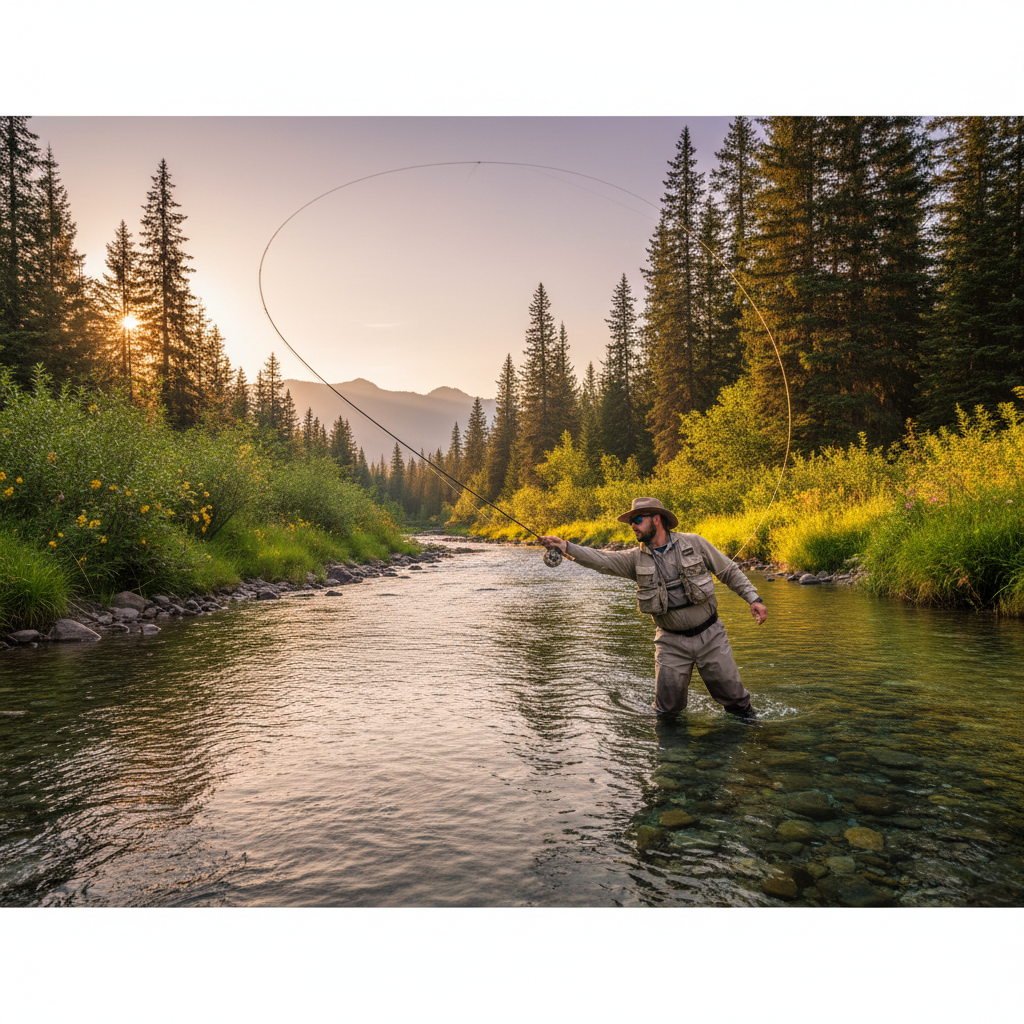
Fly fishing for trout in rivers is more than just a technique; it's an art form, a dance between angler and nature. The delicate flick of the wrist, the graceful cast, and the subtle take—it all culminates in an incredibly rewarding experience. For many, it's a lifelong pursuit, filled with constant learning and the thrill of outsmarting one of nature's most beautiful adversaries. If you've ever dreamt of wading into a pristine river, casting your line, and feeling the tug of a wild trout, then this guide is for you.
Understanding River Trout Behavior
Before you even think about casting, understanding trout behavior in a river environment is paramount. Trout are creatures of habit and opportunity. They seek out areas that provide three main things: food, cover, and favorable water conditions. Look for them in:
- Riffles and Runs: These oxygenated areas churn up insects and provide easy feeding opportunities.
- Pools: Deeper, slower-moving water offers refuge from strong currents and predators, especially for larger fish.
- Eddies and Seams: Where fast and slow water meet, food often collects, creating prime feeding lanes.
- Undercut Banks and Submerged Structures: These provide excellent cover from predators and strong currents.
Observing the river, looking for rising fish, and understanding where insects might congregate will significantly increase your chances of success.
Essential Gear for River Fly Fishing
A successful fly fishing trip starts with the right equipment. While preferences vary, a solid setup provides the foundation for effective casting and presentation.
Rod and Reel Selection
For most river trout scenarios, a 9-foot, 4- to 6-weight fly rod is a versatile choice. It offers enough backbone to handle larger trout and cast a variety of fly sizes, while still being delicate enough for smaller fish. Pair it with a matching reel that has a smooth drag system. Remember, the reel's primary job is to hold line; the rod does the fighting.
Fly Line, Leader, and Tippet
- Fly Line: A weight-forward (WF) floating line is standard for most dry fly and nymphing techniques.
- Leader: A tapered leader, typically 7.5 to 9 feet long, helps transfer casting energy smoothly and allows for a natural fly presentation.
- Tippet: This is the thinnest section at the end of your leader, to which you tie your fly. Varying tippet sizes (e.g., 4X to 6X) allow you to match the size of your fly and the clarity of the water. For example, a High-Visibility Tippet Spool can be crucial in low light.
Waders and Boots
Comfortable, breathable waders and sturdy wading boots are essential for maneuvering in rivers. Choose durable materials and boots with good grip to prevent slips. Check out our range of River Trekking Waders for superior comfort and protection.
Key Fly Fishing Techniques for Trout
There are several fundamental techniques to master, each suited to different conditions and insect activity.
1. Dry Fly Fishing
Perhaps the most iconic form of fly fishing, dry fly fishing involves presenting an imitation of an adult insect on the water's surface. The key is a delicate, accurate cast and a drag-free drift. Watch for rising fish and try to