Mastering the Art of Fly Fishing for Trout in Mountain Streams
Unlock the secrets to successful fly fishing for trout in pristine mountain streams. Learn about essential gear, techniques, and reading the water for an unforgettable experience.
Introduction to Mountain Stream Fly Fishing
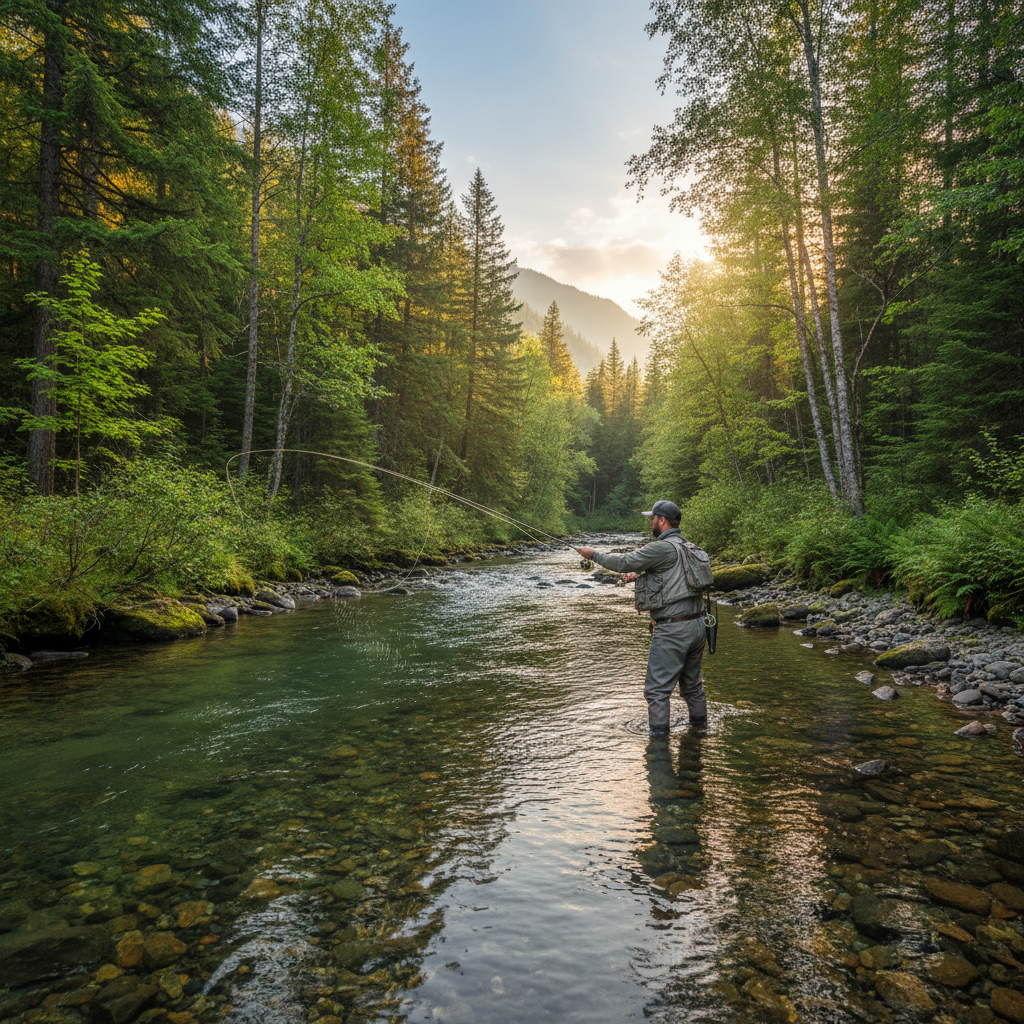
Fly fishing in mountain streams offers a unique and rewarding experience. The crisp air, the sound of rushing water, and the challenge of outsmarting wild trout combine to create an unforgettable adventure. This guide will help you get started, from understanding the ecosystem to choosing the right flies.
Essential Gear for the Aspiring Angler
Before you even cast a line, having the right equipment is crucial. While we don't have specific products to recommend today, consider a lightweight 3-5 weight fly rod and a matching reel. A good quality floating fly line is also essential. Don't forget a dependable pair of waders and wading boots to navigate the often slippery stream beds.
- Fly Rod & Reel: Opt for a medium-action rod for versatility.
- Fly Line: Weight-forward floating lines are a great starting point.
- Leaders & Tippets: Tapered leaders and various tippet sizes are key.
- Waders & Boots: Essential for comfort and safety in cold water.
Reading the Water: Where Trout Hide
Trout are masters of their environment, always seeking food and shelter. Learning to 'read the water' is perhaps the most important skill in fly fishing. Look for:
- Riffles and Runs: Oxygen-rich areas where insects are dislodged.
- Pools: Deeper, slower sections offering cover and resting spots.
- Seams: The transition zones between fast and slow water.
- Undercut Banks & Structure: Excellent hiding places for larger fish.
Effective Fly Patterns for Mountain Trout
The most effective flies often mimic the natural insects present in the stream. Early in the season, nymphs like the Pheasant Tail Nymph or Hare's Ear Nymph are highly productive. As the weather warms, dry flies such as Caddis and Mayfly imitations become more effective, especially during hatches. Terrestrial patterns like grasshoppers and ants can also be deadly in late summer.
Casting Techniques and Presentation
Accuracy and a delicate presentation are paramount. Practice your basic overhead cast and learn to mend your line to achieve a drag-free drift. A good drift makes your fly appear natural and significantly increases your chances of a strike. Focus on casting upstream and allowing your fly to float naturally downstream towards potential holding lies.
Conservation and Ethics
Always practice catch and release, especially for wild trout. Minimize handling time, use barbless hooks, and handle fish gently. Respect the environment by packing out all trash and staying on designated paths. By doing so, we ensure these beautiful streams remain pristine for future generations of anglers.
Conclusion
Fly fishing for trout in mountain streams is a journey of continuous learning and connection with nature. With the right gear, a keen eye for reading the water, and a commitment to ethical angling, you're well on your way to many memorable days on the water. Tight lines!