Mastering the Art of Fly Fishing for Trout: A Beginner's Guide
Unlock the secrets to successful fly fishing for trout! Learn essential techniques, gear selection, and river reading tips to improve your catch rate.
Mastering the Art of Fly Fishing for Trout: A Beginner's Guide
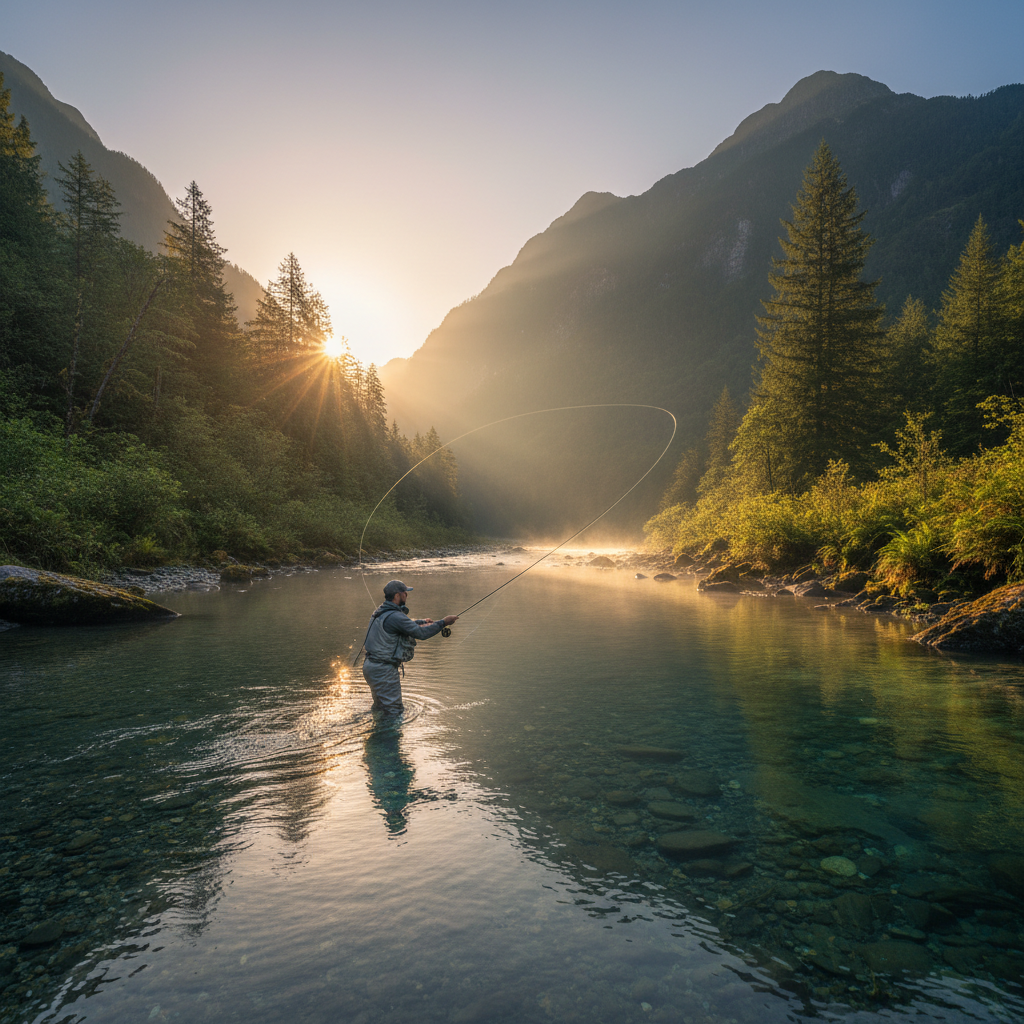
Fly fishing for trout is more than just a technique; it's an art form, a dance with nature, and a deeply rewarding pursuit. For many, the gentle cast of a line, the intricate presentation of a fly, and the thrill of a wild trout rising to the surface represent the pinnacle of freshwater angling. If you've ever dreamt of wading into a pristine river, casting gracefully, and feeling the tug of a magnificent trout, this guide is for you. We'll break down the essentials, from understanding trout behavior to choosing the right gear and executing fundamental casts.
Why Fly Fishing for Trout?
Unlike conventional spin fishing, fly fishing focuses on mimicking natural insect life – both aquatic and terrestrial – that trout feed on. This approach often leads to more strikes from wary fish, especially in heavily pressured waters. It’s also incredibly engaging, requiring a blend of patience, observation, and precision that makes every catch feel earned.
Understanding Trout Habitats and Behavior
Before you even tie on a fly, understanding where trout live and what they do is paramount. Trout are creatures of instinct, constantly seeking food, shelter, and optimal water conditions. They prefer cold, oxygenated water, often found in clear rivers, streams, and alpine lakes.
- Riffles: Shallow, turbulent areas where water flows quickly over rocks. These are prime feeding grounds as insects are dislodged from the bottom.
- Pools: Deeper, slower-moving sections, often below a riffle or bend. Trout rest here and can be found near the bottom or structure.
- Runs: Moderately deep, consistently flowing sections. Excellent places for drift fishing.
- Seams: The transition zone between fast and slow water. Trout often position themselves here, letting food come to them without expending too much energy.
Pay attention to insect hatches – periods when aquatic insects emerge from the water. This is when trout are most active and predictable. Matching the hatch (using a fly that resembles the emerging insect) can dramatically increase your success.
Essential Fly Fishing Gear for Beginners
Getting started doesn't require breaking the bank, but investing in quality core components will enhance your experience. A good starter kit can often be found, offering a balanced setup.
Rod and Reel Selection
For most freshwater trout fishing, a 7.5 to 9-foot rod in a 4 to 6-weight is ideal. A 5-weight rod is often considered the most versatile for various trout sizes and conditions.
- Rod: Look for a medium-fast action rod that offers a good balance of casting distance and sensitivity. Our Beginner Fly Rod Kit is an excellent starting point.
- Reel: A simple click-and-pawl or disc-drag reel that balances your rod is sufficient. Its primary function is to store line and apply light drag to fighting fish.
Fly Line, Leader, and Tippet
These are crucial for presenting your fly naturally.
- Fly Line: A weight-forward (WF) floating line is best for beginners. The heavier front taper helps with casting.
- Leader: A tapered monofilament or fluorocarbon line that connects your fly line to the tippet. It gradually thins out, aiding in delicate presentations. A 7.5 to 9-foot leader, matching your fly line weight, is standard.
- Tippet: A fine-diameter line connected to the end of your leader, to which you tie your fly. It's designed to be easily replaced and is less visible to fish. Carry spools of 4X, 5X, and 6X tippet material.
Essential Flies
Start with a small selection of versatile patterns that imitate common trout food sources. Don't get overwhelmed by the sheer variety!
- Dry Flies: Parachute Adams, Elk Hair Caddis, Royal Wulff (imitating adult insects on the surface).
- Nymphs: Pheasant Tail Nymph, Hare's Ear Nymph, Prince Nymph (imitating immature insects underwater).
- Streamers: Woolly Bugger (imitating baitfish or leeches).
Fundamental Fly Casting Techniques
The cast is arguably the most intimidating part for newcomers, but with practice, it becomes second nature.
The Basic Overhead Cast
1. Grip: Hold the rod comfortably, thumb on top of the grip, pointing towards the tip.
2. Pickup: Lift the line off the water smoothly, bringing the rod to a vertical