Mastering the Art of Fly Fishing for Trout: A Beginner's Guide
Dive into the serene world of fly fishing for trout. Learn essential techniques, gear selection, and tips to land your first catch in this comprehensive guide.
Mastering the Art of Fly Fishing for Trout: A Beginner's Guide
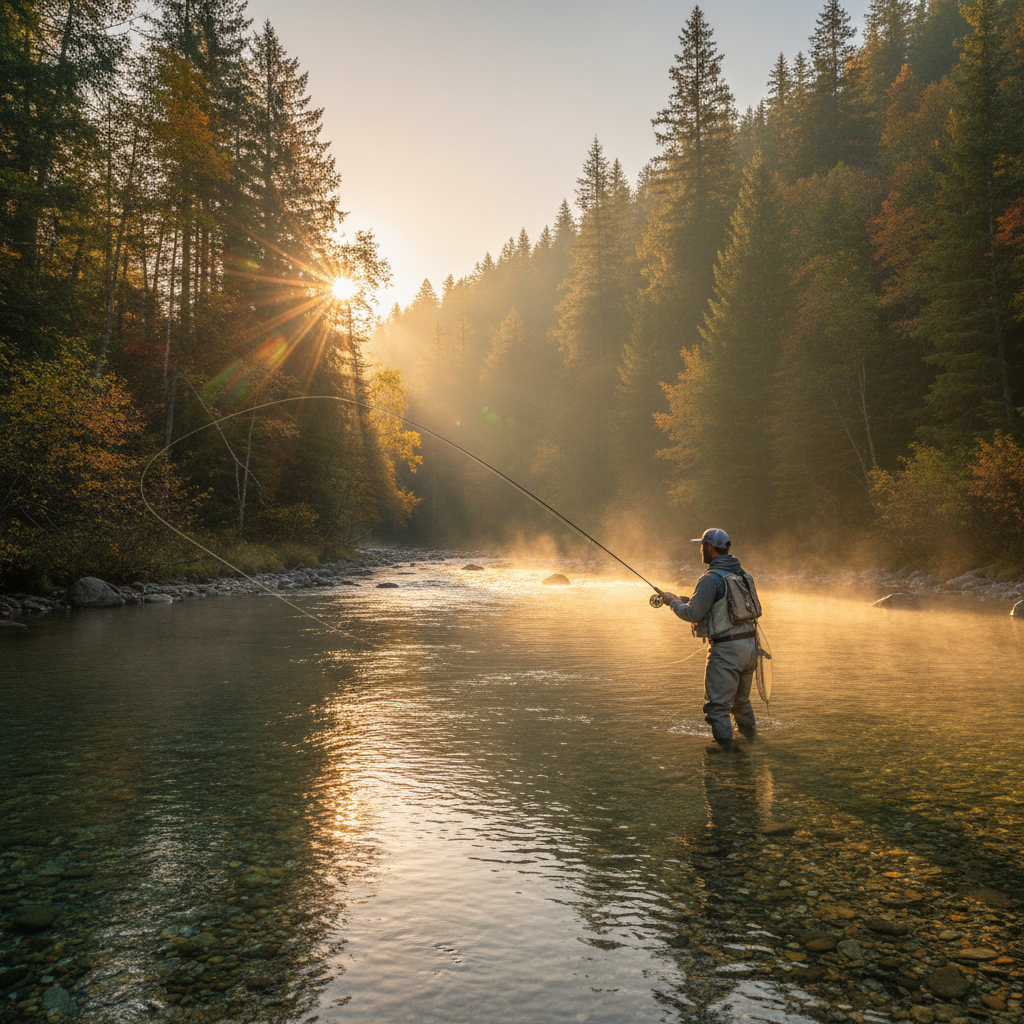
Fly fishing. The very words conjure images of serene rivers, picturesque landscapes, and the gentle art of casting a line. It's more than just a technique; it's a meditative pursuit, a dance between angler and nature. If you've ever dreamt of wading into a clear stream, skillfully presenting a delicate fly, and feeling the tug of a wild trout, you've come to the right place. This guide is designed to demystify fly fishing for beginners, offering practical advice to get you started on this rewarding journey.
Why Fly Fishing?
Unlike conventional spin fishing, fly fishing uses the weight of the line to cast a nearly weightless imitation of an insect or baitfish. This allows for incredibly delicate presentations, making it particularly effective for wary fish like trout in clear, slow-moving waters. It's also incredibly engaging, requiring a blend of technique, observation, and patience that many find deeply satisfying.
Essential Gear for Starting Out
Getting started doesn't require breaking the bank, but a few key pieces of equipment are necessary. Focus on quality basics that will serve you well as you learn.
- Fly Rod: For trout, a 9-foot, 5-weight rod is a versatile all-around choice. It's light enough for smaller streams but has enough backbone for larger fish and windy conditions. You might consider a versatile fly rod to begin your journey.
- Fly Reel: A simple, reliable reel with a smooth drag system is all you need. Its primary function is to store line and balance the rod.
- Fly Line: A weight-forward floating line matching your rod's weight is standard for most trout applications.
- Leader and Tippet: The leader tapers from thick to thin, connecting your fly line to your tippet, which is the fine, nearly invisible line tied directly to your fly. Carry various sizes.
- Flies: Start with a selection of basic dry flies (like Adams, Elk Hair Caddis), nymphs (Pheasant Tail, Hare's Ear), and perhaps a few small streamers (Woolly Bugger). Understanding the local insect hatches is key, so don't hesitate to ask at a local fly shop.
- Waders and Boots: Essential for staying dry and comfortable in the water. Breathable waders are a good investment.
- Accessories: A net, nippers, forceps, and a floatant for dry flies are all handy.
Basic Casting Techniques
Casting is the heart of fly fishing. It takes practice, but the basic overhead cast is surprisingly easy to learn.
1. The Pick-Up: Lift the line off the water smoothly, bringing the rod tip up and slightly back.
2. The Back Cast: As the line comes off the water, accelerate the rod backward, stopping crisply at about 1 o'clock. Wait for the line to fully extend behind you.
3. The Forward Cast: When the line is extended, accelerate the rod forward, stopping crisply at about 11 o'clock. The line should unroll in front of you.
Practice in an open field without a fly first to get a feel for the rhythm. Consistency is more important than brute force.
Reading the Water
Knowing where trout hold is crucial. Look for:
- Riffles and Runs: Oxygen-rich areas where food washes down.
- Pools: Deeper, slower-moving sections, often with hiding spots.
- Eddies and Current Seams: Where fast and slow water meet, creating natural food lanes.
- Structure: Rocks, fallen trees, undercut banks – these provide cover and ambush points.
Presenting Your Fly
The goal is to make your fly look as natural as possible. For dry flies, aim for a 'dead drift' – letting the fly float freely with the current, just like a real insect. For nymphs, achieving a natural drift near the bottom is key, often with the help of an indicator.
Essential Knots
Don't let knots intimidate you. Master these three, and you're well-equipped:
- Improved Clinch Knot: For tying your fly to the tippet.
- Surgeon's Knot: For connecting tippet to leader or two pieces of tippet.
- Arbor Knot: For attaching your backing to your reel.
Conservation and Ethics
Fly fishing often instills a deep respect for the environment. Practice catch-and-release, handle fish gently with wet hands, and always pack out what you pack in. Consider joining local conservation efforts to protect these precious resources.
Embarking on your fly fishing journey is an adventure that promises tranquility, challenge, and an intimate connection with nature. With a little patience, practice, and the right mindset, you'll soon be casting like a pro and experiencing the thrill of landing your first trout. Happy fishing!