Mastering the Art of Fly Fishing for Trout: A Beginner's Guide
Unlock the secrets to successful trout fly fishing. Learn essential techniques, gear selection, and river reading tips for an unforgettable angling experience.
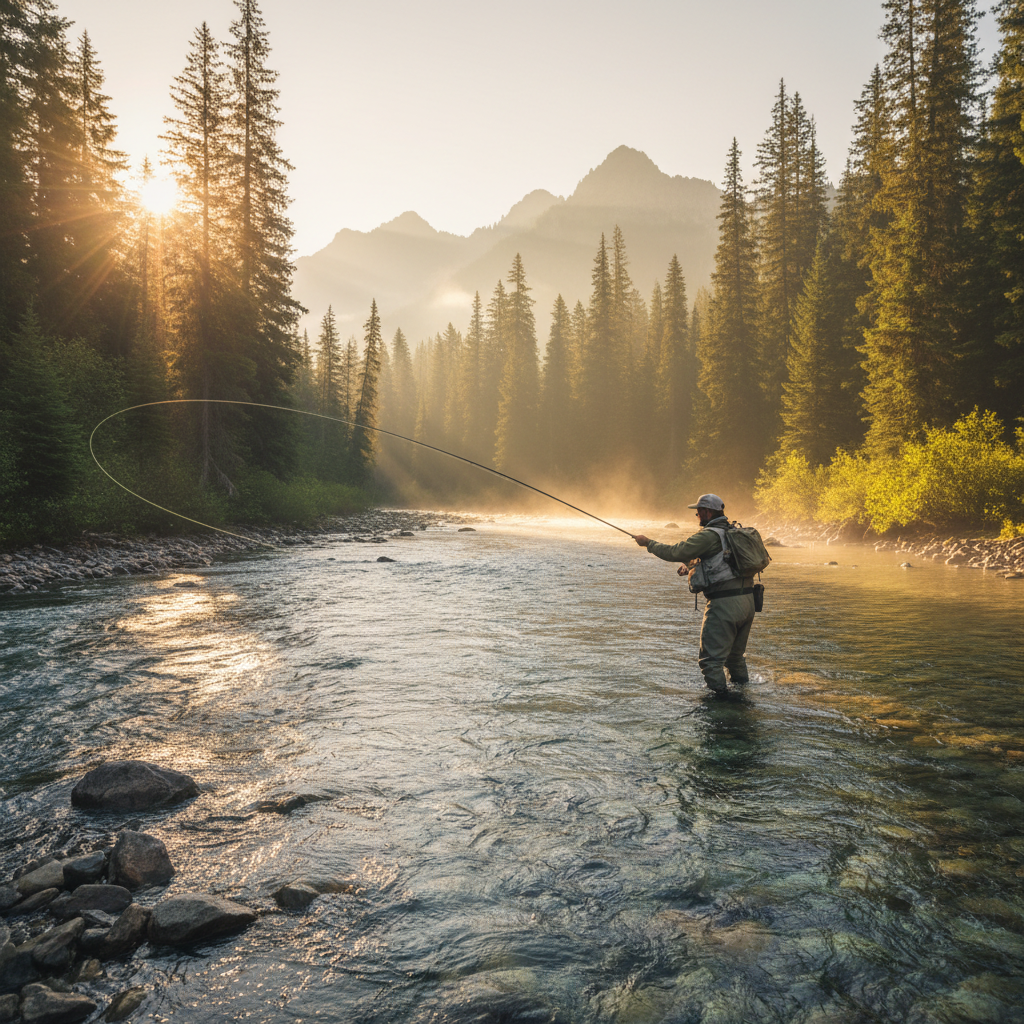
Fly fishing for trout is an art form, a serene dance between angler and nature that offers immense satisfaction. While it might seem daunting at first, mastering the basics can open up a world of tranquil rivers and exciting catches. This guide will walk you through everything you need to get started, from understanding the right gear to perfecting your cast.
The Essentials: Gear Up for Success
Choosing the right equipment is crucial for a productive fly fishing trip. Don't worry, you don't need the most expensive setup to start, but quality gear will enhance your experience.
Rod and Reel Selection
For most trout fishing, a 4-weight to 6-weight fly rod, about 8.5 to 9 feet long, is ideal. This range offers versatility for different fly sizes and water conditions. Pair your rod with a matching fly reel that has a smooth drag system. While the reel's primary job is to hold the line, a good drag is vital when fighting larger fish.
Consider an all-purpose setup like the TroutMaster Fly Rod Combo, which often includes a rod, reel, and line, making it perfect for beginners.
Fly Line, Leader, and Tippet
Your fly line is what gives you the weight to cast. A weight-forward (WF) line is highly recommended for beginners as it makes casting easier. The leader is a tapered monofilament or fluorocarbon line that connects your fly line to the tippet. The tippet, a thinner piece of line, is what your fly is tied to. It’s designed to be less visible to fish and to break away if your fly snags, saving your more expensive leader.
- Fly Line: Weight-forward floating line matching your rod weight.
- Leader: 7.5 to 9 feet long, tapering from thick to thin.
- Tippet: Spools of 4x, 5x, and 6x to match various fly sizes.
Waders and Boots
Depending on where you fish, waders are often indispensable for getting closer to the action and staying dry and warm. Neoprene waders are great for cold water, while breathable waders are more comfortable in warmer weather. Always pair waders with wading boots that offer good ankle support and traction on slippery riverbeds.
Essential Fly Fishing Techniques
With your gear ready, let's dive into the techniques that will help you land your first trout.
The Basic Cast: Roll Cast and Overhead Cast
The roll cast is excellent for tight spaces where an overhead cast isn't feasible, like when trees are behind you. The overhead cast is your primary casting method for most open water situations.
1. Roll Cast: Keep the rod tip low, sweep it back, then smoothly forward, unrolling the line in front of you.
2. Overhead Cast: Bring the rod back, pausing briefly to allow the line to extend, then smoothly accelerate forward, stopping abruptly to shoot the line.
Practice is key! Start with a short line and gradually increase the distance.
Reading the Water
Knowing where trout hold is just as important as knowing how to cast. Look for:
- Riffles and Runs: Oxygen-rich areas where insects are dislodged.
- Pools: Deeper, slower areas often found downstream from faster currents, providing resting spots.
- Undercut Banks and Structure: Overhanging vegetation, submerged logs, and large rocks offer cover and ambush points.
- Seams: The transition zones between fast and slow water.
Understanding these features will help you identify productive fishing spots. The River Explorer Wading Staff can be a great aid for navigating uneven riverbeds and assessing water depth.
Fly Selection: Matching the Hatch
Trout primarily eat insects, so choosing a fly that mimics what they are currently feeding on, known as