Mastering Camp Cooking: Delicious Meals Outdoors
Elevate your outdoor adventures with our guide to delicious camp cooking. Learn essential tips, gear, and recipes for unforgettable wilderness meals.
From Trail Mix to Gourmet: Mastering the Art of Camp Cooking
There's something uniquely satisfying about a delicious meal cooked under the open sky. After a day of hiking, fishing, or exploring, a warm, hearty dish can feel like the ultimate reward. But camp cooking doesn't have to be limited to dehydrated meals or burnt hot dogs. With a little planning and the right techniques, you can enjoy gourmet-level food even in the wilderness. This guide will help you elevate your outdoor culinary game, transforming your camp kitchen into a place of delicious discovery.
Why Good Camp Food Matters
Beyond basic sustenance, good camp food boosts morale, provides essential energy for continued adventures, and enhances the overall outdoor experience. It's a chance to connect with your companions, share stories around a warm meal, and create lasting memories. Plus, everything just tastes better outdoors!
Essential Camp Kitchen Gear
Having the right tools makes all the difference. You don't need a full-blown kitchen, but a few key items will ensure efficiency and enjoyment.
- Portable Stove: A reliable stove is the heart of your camp kitchen. Options range from lightweight backpacking stoves to multi-burner propane stoves for car camping. Consider fuel type, boil time, and simmer control. The Trailblazer Mini Stove is a fantastic ultralight option.
- Cookware: A durable pot and pan set (often nesting for space-saving) is crucial. Look for non-stick surfaces and sturdy handles. Cast iron is excellent for open-fire cooking but heavy for backpacking.
- Utensils: Spatula, ladle, tongs, and a good sharp knife. Don't forget a cutting board!
- Cooler: For keeping perishables fresh, especially for shorter trips. A quality cooler can keep ice for days. Ensure it’s bear-proof if in bear country.
- Water Filter/Purifier: Essential for safe drinking water, which is also needed for cooking and cleaning.
- Cleanup Kit: Biodegradable soap, scrub brush, and a small quick-dry towel. Always practice Leave No Trace principles for washing dishes.
- Food Storage: Bear canisters or scent-proof bags for hanging food are vital for protecting your provisions and wildlife.
Pre-Trip Preparation: Your Secret Weapon
The most successful camp cooks do a lot of their work before they even leave home. This saves time, reduces waste, and makes cooking in camp a breeze.
- Meal Planning: Plan each meal, including snacks and drinks. Consider caloric needs based on activity levels.
- Portioning & Packaging: Measure out ingredients for each meal and store them in separate, labeled bags or containers. Pre-chop vegetables, pre-mix spice blends, and pre-cook items like bacon or rice to reduce camp time.
- Dehydrate or Freeze: For longer trips, dehydrating vegetables, fruits, or even full meals significantly reduces weight and spoilage. Freezing meats and sauces can also extend their freshness.
Cooking Techniques for the Campsite
Beyond just boiling water, there are many ways to cook up a storm outdoors.
- One-Pot Wonders: Soups, stews, pasta dishes, and chili are perfect for single-pot cooking, minimizing cleanup.
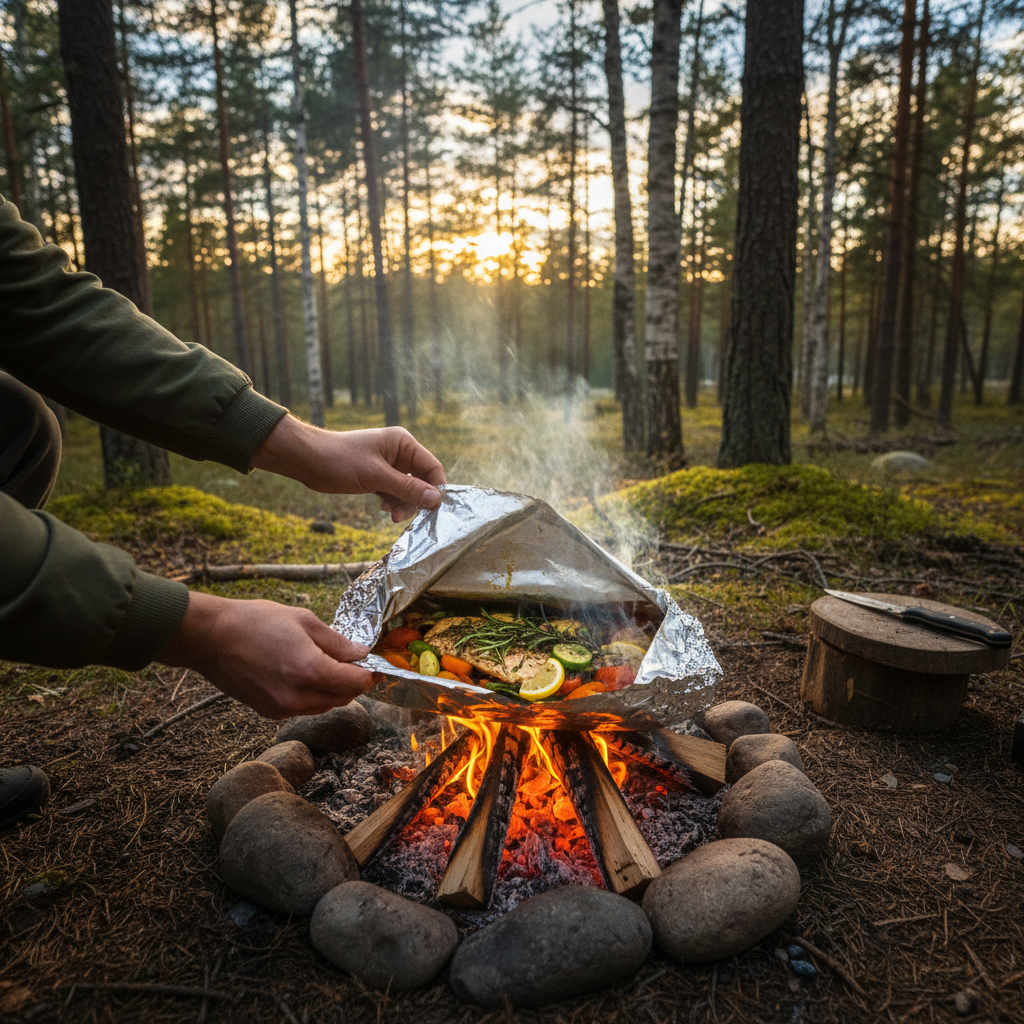
- Foil Packet Meals: Easy, mess-free, and great for cooking over coals. Combine proteins, veggies, and seasonings in heavy-duty foil. For example, a mixture of sausage, bell peppers, onions, and potatoes with a dash of Camp Chef Spice Blend makes a delicious and simple dinner.
- Grilling: If you have a grate, grilling over an open fire or portable grill is fantastic for steaks, fish, and vegetables.
- Skillet Frying: Great for breakfast items like pancakes, eggs, and bacon, or for sautéing vegetables for dinner.
- Dutch Oven Cooking: Ideal for car camping, a Dutch oven allows for baking (bread, cobblers), roasting, and stewing over coals, creating incredibly flavorful meals.
Simple & Delicious Campfire Recipes
Here are a few ideas to get you started:
- Hearty Breakfast Burritos: Scramble eggs with pre-cooked sausage or bacon, cheese, and pre-chopped veggies. Wrap in tortillas and warm in a foil packet or skillet.
- Campfire Chili: A pre-made base (beans, tomatoes, spices) to which you can add fresh ground meat (browned in camp) or plant-based protein. Serve with corn chips or cornbread.
- Fish Tacos: If you're lucky enough to catch fresh fish, pan-fry or grill fillets. Serve in tortillas with pre-made slaw and a squeeze of lime.
- Foil Packet Salmon & Veggies: Salmon fillets, sliced zucchini, cherry tomatoes, and lemon slices with herbs. Cook directly on coals or a grill grate.
- S'mores (The Classic!): No camp meal is complete without this iconic dessert. Get creative with different chocolates or cookies!
Cleanup: Leave No Trace
Always adhere to Leave No Trace principles when cooking and cleaning:
1. Pack It In, Pack It Out: Everything you bring in, including food scraps, must leave with you.
2. Wash Away from Water Sources: Use biodegradable soap and disperse greywater at least 200 feet from streams, lakes, or trails.
3. Proper Food Storage: Protect wildlife by storing all food and scented items securely.
Conclusion: Savor the Outdoor Feast
Camp cooking is an integral part of the outdoor experience, offering both nourishment and immense enjoyment. By investing in good gear, planning ahead, and embracing a few simple techniques, you can transform your campsite meals from basic to brilliant. So, gather your ingredients, fire up your stove, and prepare to savor delicious moments under the vast, inspiring sky. Happy cooking!