
Kayak Fishing for Beginners: Top Tips & Essential Gear
New to kayak fishing? Learn essential tips, required gear, and techniques to get started on your angling adventure. Catch more fish from your kayak!
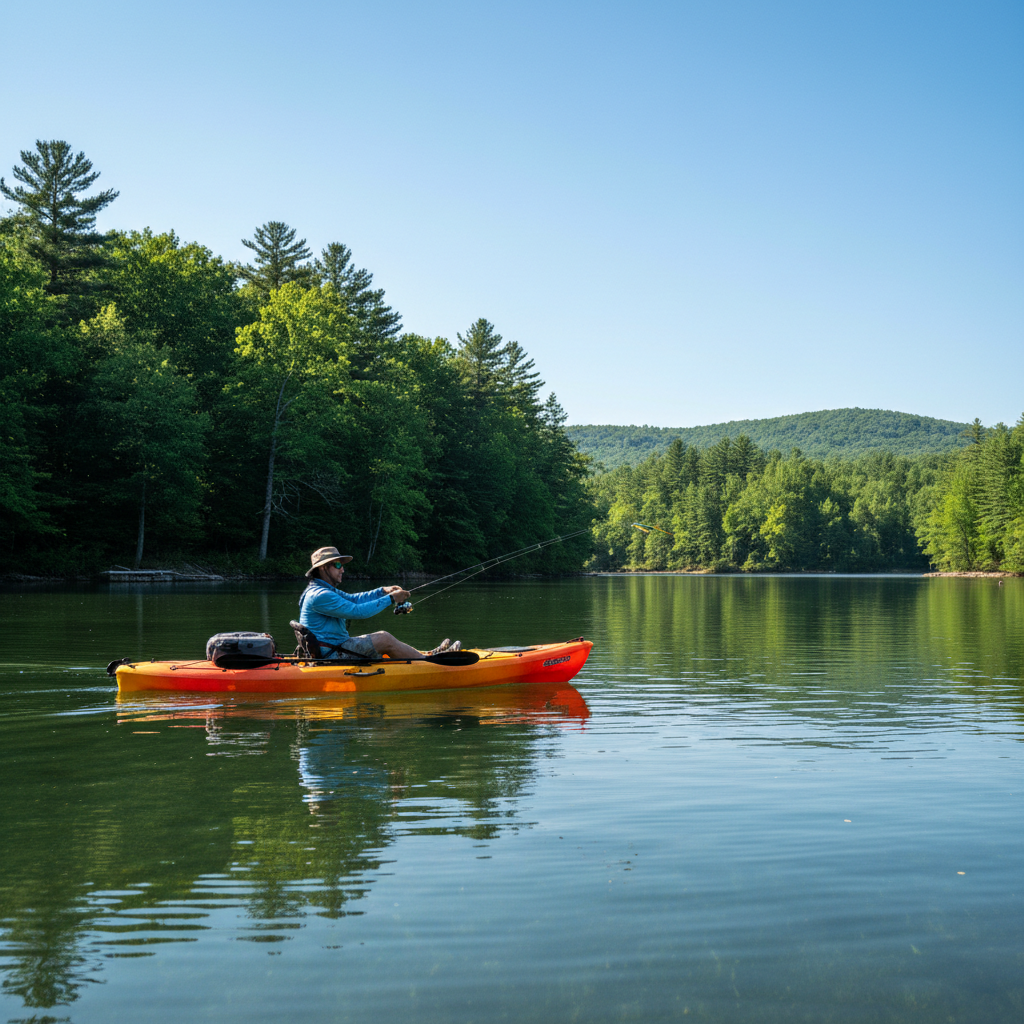
Kayak Fishing for Beginners: Your Ultimate Guide to Getting Started
Kayak fishing offers a unique blend of adventure, tranquility, and access to waters often unreachable by larger boats. If you're looking to combine your love for paddling with the thrill of fishing, you've come to the right place. This guide will walk you through everything you need to know to start your kayak fishing journey.
Why Choose Kayak Fishing?
- Accessibility: Reach shallow coves, tight spaces, and remote fishing spots that motorized boats can't.
- Stealth: Approach fish more quietly, increasing your chances of a successful catch.
- Exercise: Get a great workout while enjoying the outdoors.
- Cost-Effective: Typically less expensive than owning and maintaining a powerboat.
- Environmental Impact: A greener way to fish with minimal disturbance to marine life.
Essential Kayak Fishing Gear
Before you hit the water, it's crucial to have the right equipment. Safety and functionality are key.
#### 1. The Kayak Itself
- Sit-on-Top vs. Sit-inside: Sit-on-top kayaks are generally preferred for fishing due to their stability, ease of re-entry, and ample storage space. Sit-inside kayaks offer more protection from the elements but can be harder to re-enter if you capsize.
- Length and Width: Longer kayaks track better and are faster, while wider kayaks offer more stability. A good balance is often around 10-14 feet.
- Pedal vs. Paddle: Pedal-driven kayaks free up your hands for fishing, but paddle kayaks are typically lighter and more affordable.
#### 2. Safety First!
- Personal Flotation Device (PFD): Non-negotiable! Always wear a PFD specifically designed for paddling, allowing for freedom of movement.
- Paddle Leash: Prevent losing your paddle if you drop it.
- Whistle: For signaling in emergencies.
- First-Aid Kit: Small, waterproof, and easily accessible.
- VHF Radio or Cell Phone: In a waterproof case, for communication.
#### 3. Fishing Specifics
- Rod and Reel: Consider a medium-light or medium-action rod, around 6-7 feet, with a corrosion-resistant reel suitable for the type of fish you're targeting.
- Tackle Box: A compact, waterproof tackle box is essential. For versatile freshwater and saltwater options, check out the Premium Bionic Minnow Fishing Lure – its lifelike action is a game-changer.
- Net or Lip Gripper: To safely land and release your catch.
- Rod Holders: Built-in or aftermarket rod holders are crucial for hands-free fishing and paddling.
- Anchor: A small grapple anchor with a quick-release system is invaluable for holding your position.
#### 4. Comfort and Convenience
- Paddle: Lightweight and appropriately sized for your height and kayak width.
- Seat: An upgraded seat can make a huge difference in comfort for longer trips.
- Dry Bag: To keep electronics, extra clothes, and snacks dry.
- Cooler or Fish Bag: For storing your catch, especially on longer excursions.
- Sun Protection: Hat, sunglasses, and sunscreen are vital for protecting yourself from UV rays.
Basic Kayak Fishing Techniques
- Paddling Prowess: Practice paddling efficiently and silently. Learn to steer with subtle paddle strokes rather than wide, splashing movements.
- Casting from a Kayak: Start with shorter, controlled casts. Practice in an open area before you're on the water targeting fish.
- Drifting: Let the wind or current move you while you cast. This can be very effective for covering water.
- Anchoring: Use your anchor to hold position over structures or in current seams where fish are likely to be.
Pre-Trip Planning
- Check Weather and Tides: Always prior to launching.
- Scout Your Location: Understand the water body, potential hazards, and likely fishing spots.
- Tell Someone Your Plan: Inform a friend or family member of your launch and estimated return time.
Kayak fishing is an incredibly rewarding hobby that connects you with nature in a unique way. With the right gear, a focus on safety, and a little practice, you'll be well on your way to becoming a skilled kayak angler. See you on the water!