
Kayak Fishing for Beginners: Top Tips & Essential Gear
New to kayak fishing? Learn the ropes with our comprehensive guide on essential gear, safety tips, and techniques to get you started on the water.
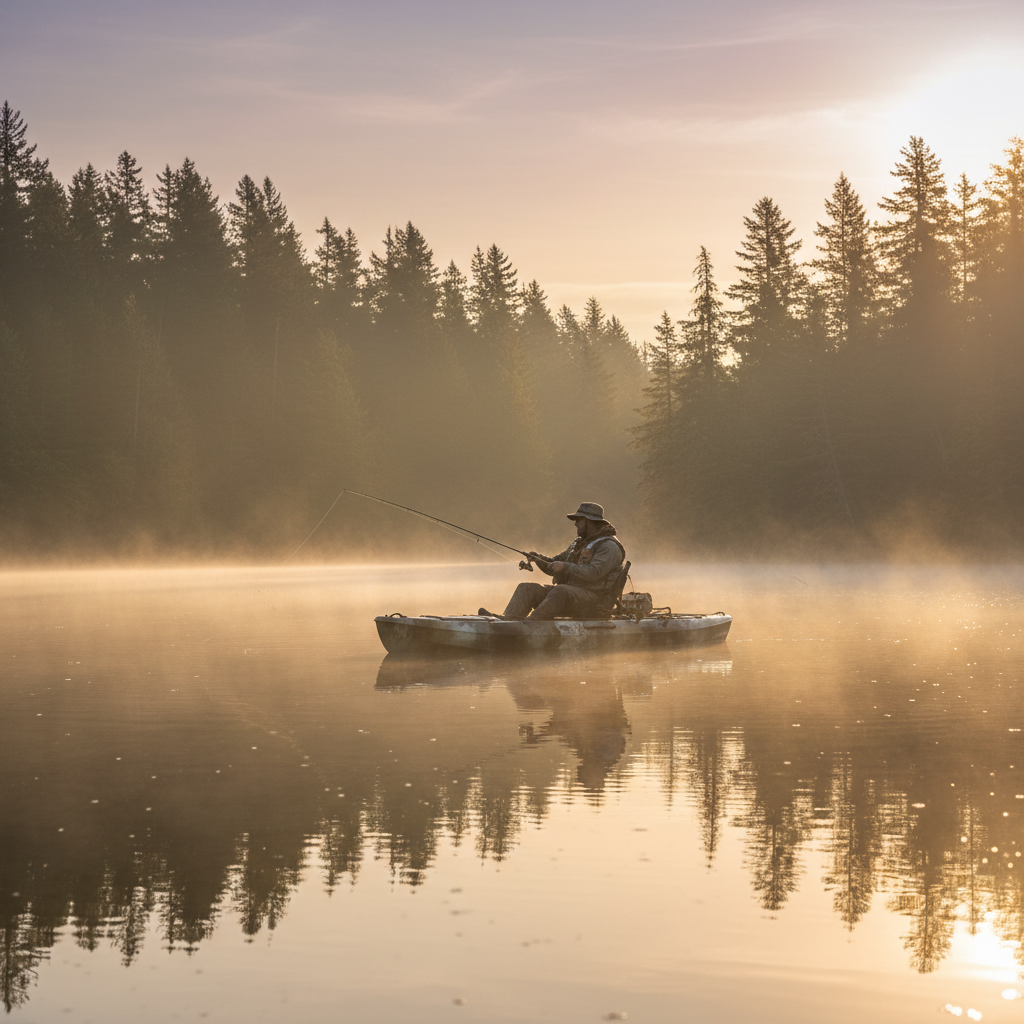
Kayak Fishing for Beginners: Top Tips & Essential Gear
Kayak fishing has exploded in popularity, and for good reason! It offers an unparalleled connection to nature, stealthy access to prime fishing spots, and an exciting challenge for anglers of all levels. If you're looking to dip your paddle (and line) into this growing sport, this guide is for you. We'll cover everything from essential gear to basic techniques, ensuring your first few trips are safe, successful, and fun.
Why Choose Kayak Fishing?
Before we dive into the nitty-gritty, let's quick look at why so many anglers are choosing kayaks:
- Portability: Easy to transport and launch in a variety of locations.
- Stealth: Kayaks are quiet, allowing you to approach fish without spooking them.
- Accessibility: Reach shallow waters and areas inaccessible to larger boats.
- Exercise: A great way to combine your passion for fishing with a gentle workout.
- Cost-Effective: Generally more affordable than owning a motorboat.
Essential Kayak Fishing Gear
Getting started doesn't require breaking the bank, but a few key pieces of gear are crucial for safety and enjoyment.
The Kayak Itself
- Sit-on-Top vs. Sit-inside: Sit-on-top kayaks are generally preferred for fishing due to their stability, ease of re-entry (if you happen to flip), and ample storage space for gear. Sit-inside kayaks can be good for colder weather but offer less flexibility for customization.
- Length & Width: Longer kayaks (12-14 feet) track better and are faster, while wider kayaks offer more stability. Consider your local waters and target species when choosing.
- Pedal vs. Paddle: Pedal-drive kayaks free up your hands for fishing, but are often heavier and more expensive. Paddle kayaks are traditional and highly versatile.
Paddles and Propulsion
A good paddle is your engine! Look for a lightweight, durable paddle that's the right length for your height and kayak width. If you opt for a pedal drive, ensure it's well-maintained.
Safety First! Always!
Safety is paramount when kayak fishing. Never compromise on these items:
- Personal Flotation Device (PFD): Wear it. Every time. No exceptions. Modern fishing PFDs are comfortable and designed with pockets for gear.
- Whistle or Air Horn: For signaling.
- First-Aid Kit: Compact and waterproof.
- Anchor: Essential for staying put in currents or windy conditions.
- Visibility Flag: Especially important in open water or areas with boat traffic.
- Headlamp: For early morning starts or late evening finishes. The Rechargeable 5LED Headlamp is an excellent choice, providing bright, wide-beam illumination and multiple light modes for any low-light situation.
Fishing Specifics
- Rod & Reel: A medium-light to medium-heavy spinning or baitcasting combo is a great starting point. Consider a shorter rod (under 7 feet) for easier handling in the kayak.
- Tackle Management: Waterproof tackle boxes and crates are your friends. Keep everything organized and easily accessible.
- Net, Gripper & Pliers: Essential for landing fish, removing hooks safely, and releasing your catch unharmed.
- Lures: Of course! A versatile selection like the Premium 16-Piece Spinner Lure Kit offers a variety of options for different species and conditions.
Basic Kayak Fishing Techniques
Getting comfortable in your kayak is the first step. Practice paddling, turning, and even re-entry in calm waters before heading out for a serious fishing trip.
Casting from a Kayak
Start with short, controlled casts. Overhand casts are generally easier than sidearm casts in a kayak. Practice your accuracy to hit those sweet spots near cover.
Trolling
Trolling a lure behind your kayak as you paddle is an incredibly effective way to cover water and find fish, especially for species like trout or striped bass.
Anchoring and Positioning
Learn to deploy your anchor smoothly and position your kayak effectively to fish structure or current breaks. A drift sock can also be invaluable for slowing your drift in windy conditions.
Final Tips for Success
- Check the Weather: Always check wind, current, and weather forecasts before you go.
- Tell Someone Your Plans: Let a friend or family member know where you're going and when you expect to return.
- Stay Hydrated & Sun Protected: Bring plenty of water and wear sunscreen, a hat, and appropriate clothing.
- Start Small: Begin in calm, familiar waters before venturing into larger or more challenging environments.
Kayak fishing is an amazing adventure waiting to happen. With the right gear, a focus on safety, and a little practice, you'll be reeling in catches and making unforgettable memories in no time. Happy paddling and tight lines!