
Kayak Fishing for Beginners: Essential Tips & Gear
Paddle into the exciting world of kayak fishing! Learn essential tips, discover must-have gear, and master techniques for a successful first outing.
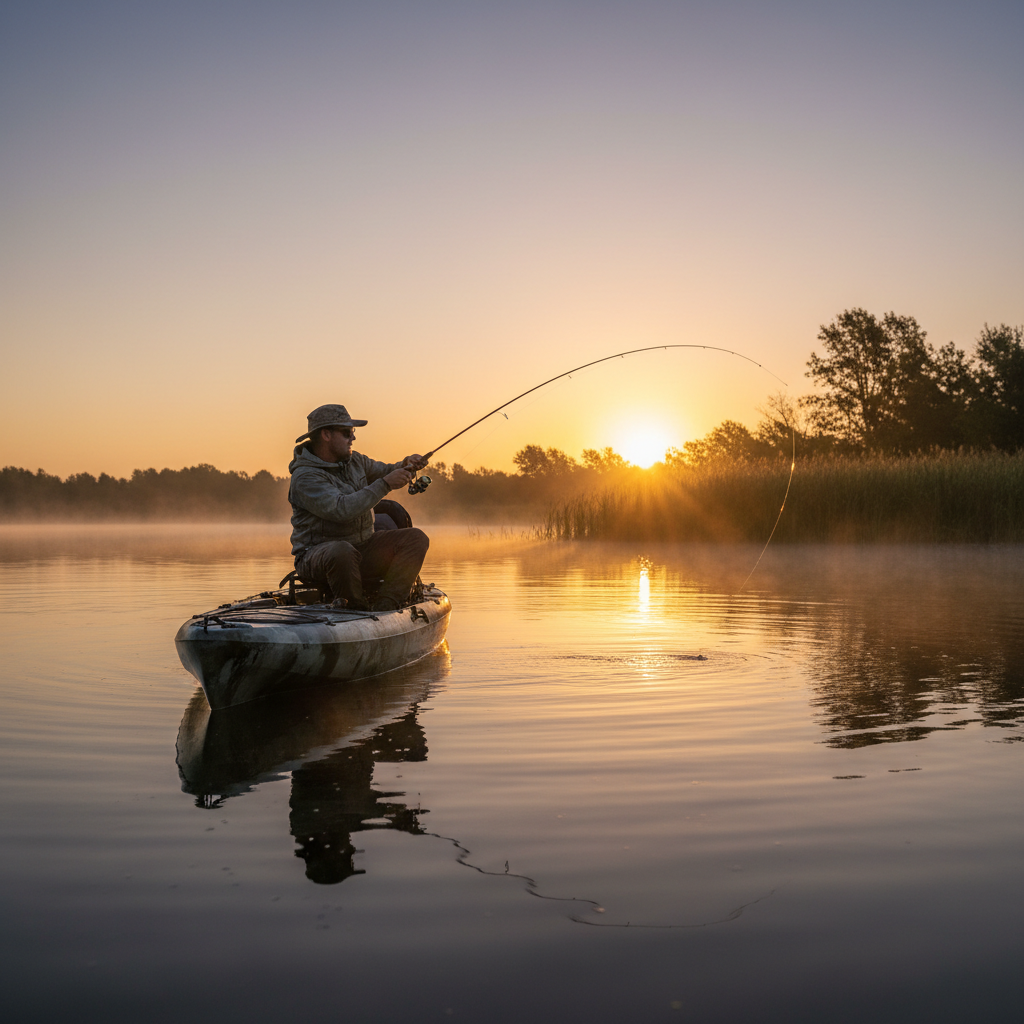
Kayak Fishing for Beginners: Essential Tips & Gear
Kayak fishing has exploded in popularity, and for good reason! It offers a unique blend of tranquility, stealth, and accessibility to waters often untouchable by larger boats. If you're looking to dip your paddle into this rewarding sport, you've come to the right place. This guide will cover everything a beginner needs to know to get started.
Why Choose Kayak Fishing?
- Access to Skinny Water: Kayaks can navigate shallow creeks, tightly packed coves, and areas with submerged obstacles that larger boats can't reach, often leading to untouched fishing spots.
- Stealthy Approach: A quiet paddle stroke and minimal draft allow you to approach fish without spooking them, especially in calm waters.
- Affordability: Compared to powerboats, the initial investment in a fishing kayak and associated gear is significantly lower.
- Physical Activity: It's a fantastic way to combine your love for fishing with a great upper body and core workout.
- Environmental Friendliness: Kayaks leave a minimal wake and have no motor emissions, making them a greener way to enjoy the outdoors.
Essential Kayak Fishing Gear for Newbies
Starting with the right equipment is key to a positive experience. Here's a breakdown of what you'll need:
The Kayak Itself
For fishing, a sit-on-top (SOT) kayak is generally recommended over a sit-inside. SOTs offer greater stability, are easier to re-enter if you flip, and provide more open space for gear and movement. Look for models specifically designed for fishing, often featuring rod holders, gear tracks, and wider hulls for stability. Lengths between 10-14 feet are common, offering a good balance of maneuverability and tracking.
Paddle & PFD
Invest in a good quality, lightweight paddle. It will make a huge difference in your endurance and enjoyment. Crucially, a Personal Flotation Device (PFD) is non-negotiable. Always wear it. Look for fishing-specific PFDs with extra pockets and attachment points for small tools.
Rods & Reels
You don't need specialized kayak fishing rods to start, but shorter rods (6-7 feet) are often easier to manage in the confined space of a kayak. A medium-light to medium action spinning rod and reel combo is versatile for a variety of freshwater and inshore saltwater species. Consider bringing two rods for different techniques or as a backup.
Tackle Management
Space is at a premium in a kayak. Waterproof tackle boxes and soft-sided tackle bags are ideal for keeping your lures, hooks, and weights organized and protected from splashes. For lures like the Premium 20g Metal Jig Fishing Lure, having a dedicated small container can keep them from tangling with other gear.
Safety & Comfort
- Anchor: A small grapple anchor (1.5-3 lbs) with about 50 feet of rope is crucial for holding your position in current or wind.
- Paddle Leash & Rod Leashes: Keep your valuable gear from ending up at the bottom of the lake!
- Visibility Flag: Especially important if you're in areas with boat traffic.
- Dry Bag: For electronics, keys, and anything you absolutely need to keep dry.
- Sun Protection: Hat, sunglasses, long-sleeved shirt, and sunscreen are essential when exposed on the water for hours.
Basic Kayak Fishing Techniques
- Paddling & Positioning: Learn to paddle efficiently and subtly. Practice sculling strokes to move silently. Use your rudder (if equipped) or subtle paddle strokes to maintain your position while casting.
- Casting: Practice casting from a seated position. Overhand or sidearm casts are most common. Accuracy is key, especially when targeting structure.
- Drifting: Let the wind or current move you over promising areas, casting as you drift. This is particularly effective when covering larger flats or weed beds.
- Anchoring: Use your anchor to stay put over a hot spot, allowing you to thoroughly fish an area without constantly battling the elements.
Lure Selection for Kayak Anglers
Keep your lure selection concise when starting. A versatile tackle box might include:
- Soft Plastics: Grubs, worms, and swimbaits rigged on jig heads are incredibly effective for many species.
- Crankbaits: Medium-diving crankbaits work well for covering water and enticing aggressive strikes.
- Spinnerbaits: Great for fishing around weeds and submerged timber.
- Topwater Lures: Explosive and exciting bites, especially popular for bass. Consider a Premium Bionic Minnow Fishing Lure for its realistic action which can be deadly on topwater or with a steady retrieve.
Kayak Fishing Etiquette & Safety
- Be Aware of Your Surroundings: Always know where other boats, obstacles, and people are.
- Check Weather Conditions: Wind and storms can be dangerous on the water. Don't go out if conditions are questionable.
- Tell Someone Your Plans: Let a friend or family member know where you're going and when you expect to return.
- Practice Catch and Release: Where appropriate, handle fish carefully to ensure their survival.
Kayak fishing offers an incredible way to connect with nature and catch some impressive fish. With the right gear, a bit of practice, and a focus on safety, you'll be enjoying the tranquility and excitement of fishing from your kayak in no time. Tight lines!