
Kayak Camping: The Ultimate Guide to Overnight Paddling Trips
Combine kayaking and camping for an unforgettable adventure. Learn essential gear, planning tips, and safety advice for multi-day kayak trips.
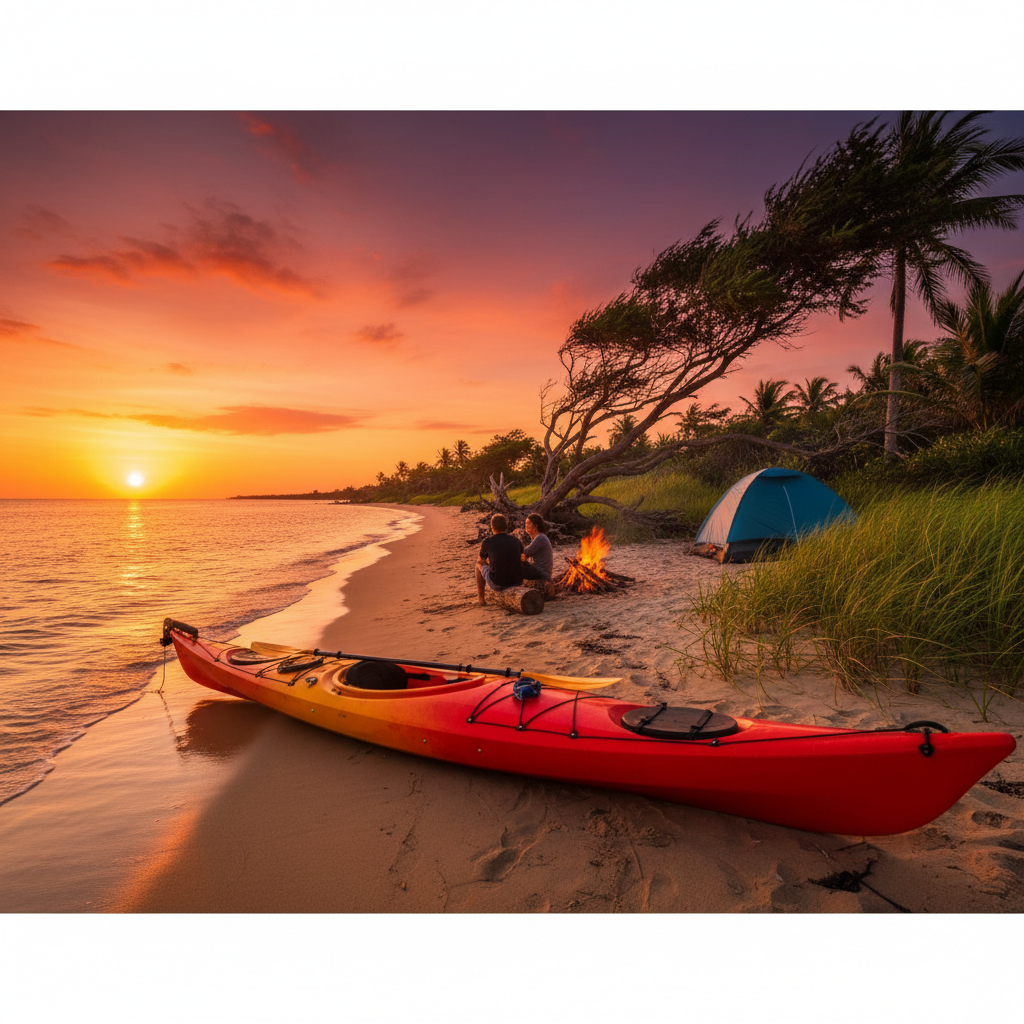
Kayak Camping: Your Ultimate Guide to Unforgettable Overnight Paddling Trips
Imagine silently paddling through pristine waters, reaching secluded shorelines inaccessible to others, and setting up camp under a canopy of stars. Welcome to the world of kayak camping – an incredible fusion of paddling adventure and wilderness immersion. This guide will equip you with the knowledge to plan and execute your own multi-day kayak expedition.
Why Kayak Camp?
- Access Remote Locations: Reach breathtaking campsites on islands, distant peninsulas, or along shorelines far from roads.
- Tranquility & Solitude: Escape the crowds and find peace in nature's embrace.
- Unique Perspectives: Experience waterways and landscapes from a truly intimate vantage point.
- Physical & Mental RewarD: Enjoy a challenging yet deeply satisfying outdoor experience.
Essential Gear for Your Kayak Camping Trip
Packing smart is crucial in kayak camping, as space is limited. Every item needs to earn its place.
#### 1. The Kayak & Paddling Gear
- Touring Kayak: Ideally, a kayak 14 feet or longer with ample sealed storage hatches to keep your gear dry and balanced.
- Durable Paddle: A strong, lightweight paddle is your engine.
- PFD (Personal Flotation Device): Worn at all times on the water – non-negotiable.
- Bilge Pump & Sponge: For removing any water that gets into your cockpit.
- Paddle Leash: Prevents losing your paddle.
#### 2. Shelter & Sleep System
- Compact Tent: A lightweight, backpacking-style tent that packs down small and offers good weather protection.
- Sleeping Bag: Rated for the lowest temperatures you expect to encounter. Consider a compressible synthetic or down bag.
- Sleeping Pad: Essential for insulation from the ground and comfort.
#### 3. Camp Kitchen
- Compact Camp Stove & Fuel: Jetboil or similar systems are ideal for their efficiency and size.
- Lightweight Cook Pot & Utensils: Minimize bulk.
- Water Filter/Purifier: Crucial for replenishing water supplies. Always assume natural water sources need treatment.
- Dehydrated Meals/Non-Perishables: Plan your menu carefully. For keeping ingredients like cheese or pre-cooked meats fresh for longer, a SealMate™ Pro can be invaluable for vacuum-sealing portions before you leave.
- Reusable Water Bottles/Bladder: Carry sufficient water for paddling and camp use.
- Bear Canister/Bag (if applicable): Essential in bear country for food storage.
#### 4. Navigation & Safety
- Waterproof Map & Compass: Know how to use them, even if you have a GPS.
- GPS Device/Smartphone with Offline Maps: (in a waterproof case).
- VHF Radio: For coastal or large lake trips, essential for weather updates and emergencies.
- First-Aid Kit: Comprehensive and easily accessible.
- Repair Kit: For your kayak, tent, and stove.
- Headlamp/Lantern: With extra batteries.
- Sun Protection: Hat, sunglasses, sunscreen.
#### 5. Packing & Organization
- Dry Bags: Multiple sizes are your best friend! Pack all sensitive gear (sleeping bag, clothes, electronics) in dry bags inside your kayak hatches. Color-code them for easy identification.
- Compartmentalize: Use smaller stuff sacks or bags to organize items within your dry bags.
- Weight Distribution: Distribute weight evenly in your kayak for optimal performance and stability.
Planning Your Trip
- Choose Your Destination Wisely: Start with an easier trip on familiar, sheltered waters. Research currents, tides, wind patterns, and potential bail-out points.
- Permits & Regulations: Check if permits are required for camping or paddling in your chosen area.
- Weather Forecast: Always check the weather meticulously and be prepared to alter plans if conditions are unfavorable.
- Trip Plan & Emergency Contacts: Leave a detailed itinerary with a trusted friend or family member, including your route, expected return time, and emergency contacts.
On the Water & At Camp
- Paddle as a Team: If with others, stay together and communicate.
- Leave No Trace: Practice strict Leave No Trace principles: pack out everything you pack in (including human waste where required), respect wildlife, and minimize your impact on the environment.
- Secure Your Kayak: When you land, ensure your kayak is safely secured above the high tide line or strong currents.
Kayak camping is an experience that transforms a simple paddle into an epic journey. With careful planning, the right gear, and a respect for nature, you're set for an adventure of a lifetime. Happy paddling!