
Kayak Camping for Beginners: Your Ultimate Gear Guide
Embark on an unforgettable kayak camping adventure! This guide covers essential gear, packing tips, and safety advice for beginners.
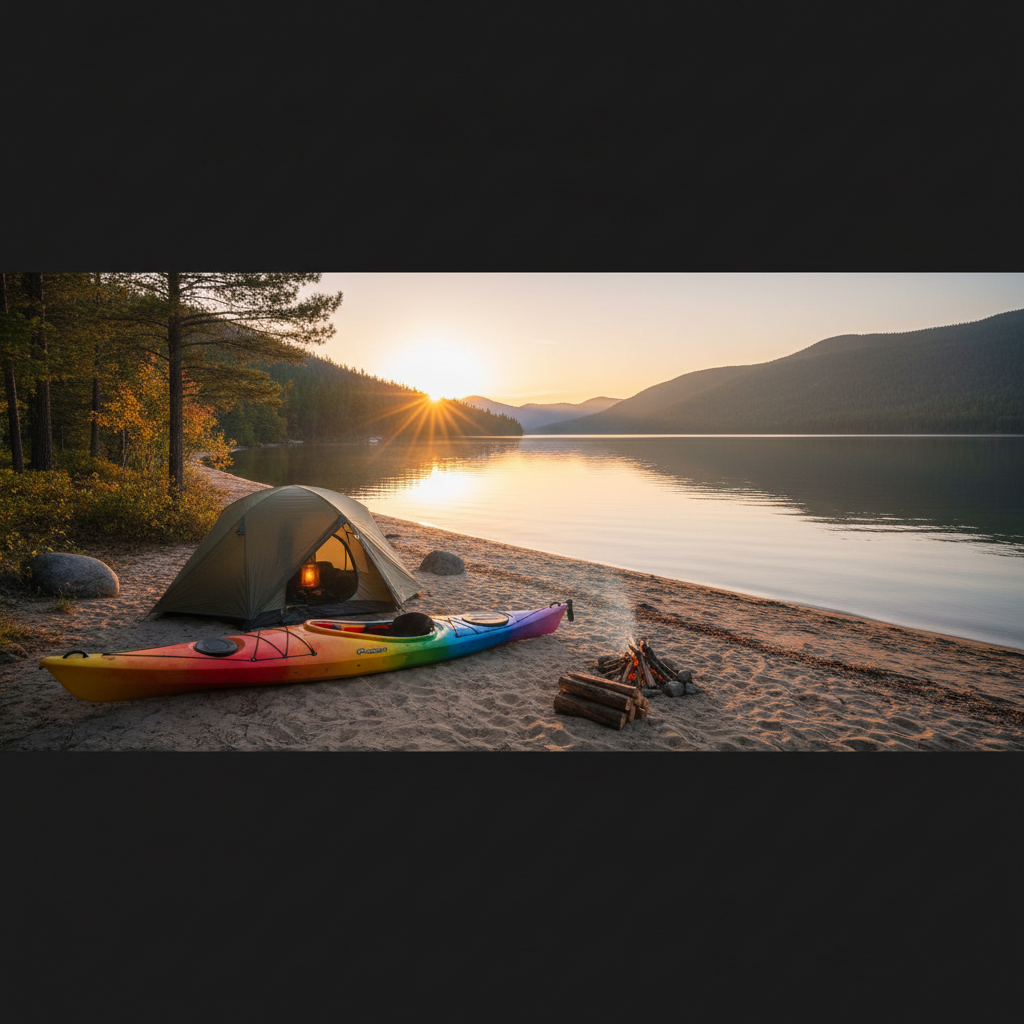
Kayak Camping for Beginners: Your Ultimate Gear Guide
Imagine paddling across calm, crystal-clear waters, the only sounds being your paddle dipping and the birds singing. You arrive at a secluded beach, unload your gear, and set up camp under a canopy of stars. This isn't just a dream – it's kayak camping, an increasingly popular way to explore remote areas and connect with nature. If you're new to both kayaking and camping, the idea might seem daunting, but with the right gear and preparation, it's an accessible and incredibly rewarding experience. This guide will walk you through everything a beginner needs to know to embark on their first kayak camping trip.
Why Kayak Camping?
Kayak camping offers a unique perspective on the outdoors. It allows you to reach pristine campsites inaccessible by car, explore hidden coves, and enjoy the tranquility of nature away from crowded trails. It combines the physical satisfaction of paddling with the peaceful solitude of backcountry camping, making for an unforgettable adventure.
Essential Kayak Camping Gear
Packing smart is crucial for kayak camping. Space is limited, and everything needs to be waterproof. Here's a breakdown of the essentials:
#### The Kayak and Paddle
- Recreational Kayak: For beginners, a stable, sit-on-top or recreational sit-in kayak (10-12 feet long) with ample storage space (hatches or bungee cords) is ideal. Consider a stable beginner kayak for easy handling.
- Paddle: A lightweight, adjustable paddle suitable for your height and kayak width will reduce fatigue. Bring a paddle leash!
- PFD (Personal Flotation Device): Absolutely non-negotiable. Wear it at all times on the water.
#### Shelter & Sleep System
- Lightweight Tent: Opt for a compact, waterproof tent designed for backpacking. Consider its packed size to ensure it fits in your kayak hatches.
- Sleeping Bag: Choose one appropriate for the expected nighttime temperatures. Compression sacks are your friend for saving space.
- Sleeping Pad: A lightweight, inflatable sleeping pad will provide insulation and comfort. Deflate and roll tightly for packing.
#### Cooking & Food
- Portable Camping Stove & Fuel: A compact backpacking stove is perfect. Ensure you have enough fuel for your trip. You'll love our compact camping stove for its efficiency.
- Cookware: A lightweight pot, pan, and utensils. Don't forget a mug and a spork!
- Food: Non-perishable, high-energy foods that don't require refrigeration. Dehydrated meals, trail mix, jerky, and energy bars are excellent choices.
- Water Filter/Purifier: Essential for replenishing water supplies. Always know your water sources.
- Bear Canister/Bag: If in bear country, proper food storage is vital.
#### Clothing & Personal Items
- Waterproof Bags (Dry Bags): Critical for keeping everything dry. Use multiple sizes to organize gear.
- Quick-Drying Clothing: Synthetics or wool are best. Avoid cotton. Pack layers!
- Rain Gear: A waterproof jacket and pants are a must.
- Sun Protection: Hat, sunglasses, sunscreen, and lip balm.
- First-Aid Kit: Comprehensive and easily accessible.
- Headlamp/Flashlight: With extra batteries.
- Map, Compass, & GPS: Even with a GPS, know how to use a map and compass.
- Toiletries: Biodegradable soap, toothbrush, etc.
#### Safety & Navigation
- Whistle: For signaling.
- Knife/Multi-tool: Always useful.
- Repair Kit: For kayak, tent, and sleeping pad.
- Communication Device: A fully charged cell phone (in a dry bag), or a satellite messenger for remote areas.
Packing Tips for Kayak Camping
- Distribute Weight Evenly: Place heavier items in the center of the kayak for stability. Lighter, bulkier items can go in the bow and stern.
- Use Dry Bags: As mentioned, these are essential. Color-code them for easy identification.
- Soft vs. Hard Items: Pack soft items (sleeping bag, clothes) in flexible dry bags that can conform to the kayak's shape. Harder items (stove, food canister) need secure spots.
- Easy Access: Keep frequently used items (water, snacks, sunscreen, first-aid) in a small dry bag near the cockpit.
- Secure Everything: Use bungee cords or tie-downs to secure any items on deck.
Planning Your Trip
- Research Your Route: Know the distances, potential hazards (rapids, tides, currents), and available campsites.
- Check the Weather: Wind and storms can quickly turn a pleasant trip into a dangerous one.
- Leave No Trace: Practice the seven Leave No Trace principles: plan ahead and prepare, travel and camp on durable surfaces, dispose of waste properly, leave what you find, minimize campfire impacts, respect wildlife, and be considerate of other visitors.
Kayak camping offers an unparalleled sense of adventure and freedom. With this gear guide and a commitment to preparation and safety, you'll be well on your way to discovering hidden gems and creating lasting memories on the water. Paddle on, adventurers!