
Kayak Camping Essentials: Your Guide to Waterside Adventures
Discover the must-have gear for a successful kayak camping trip. From packing tips to safety, we cover everything you need for an unforgettable outdoor experience.
Kayak Camping Essentials: Your Guide to Waterside Adventures
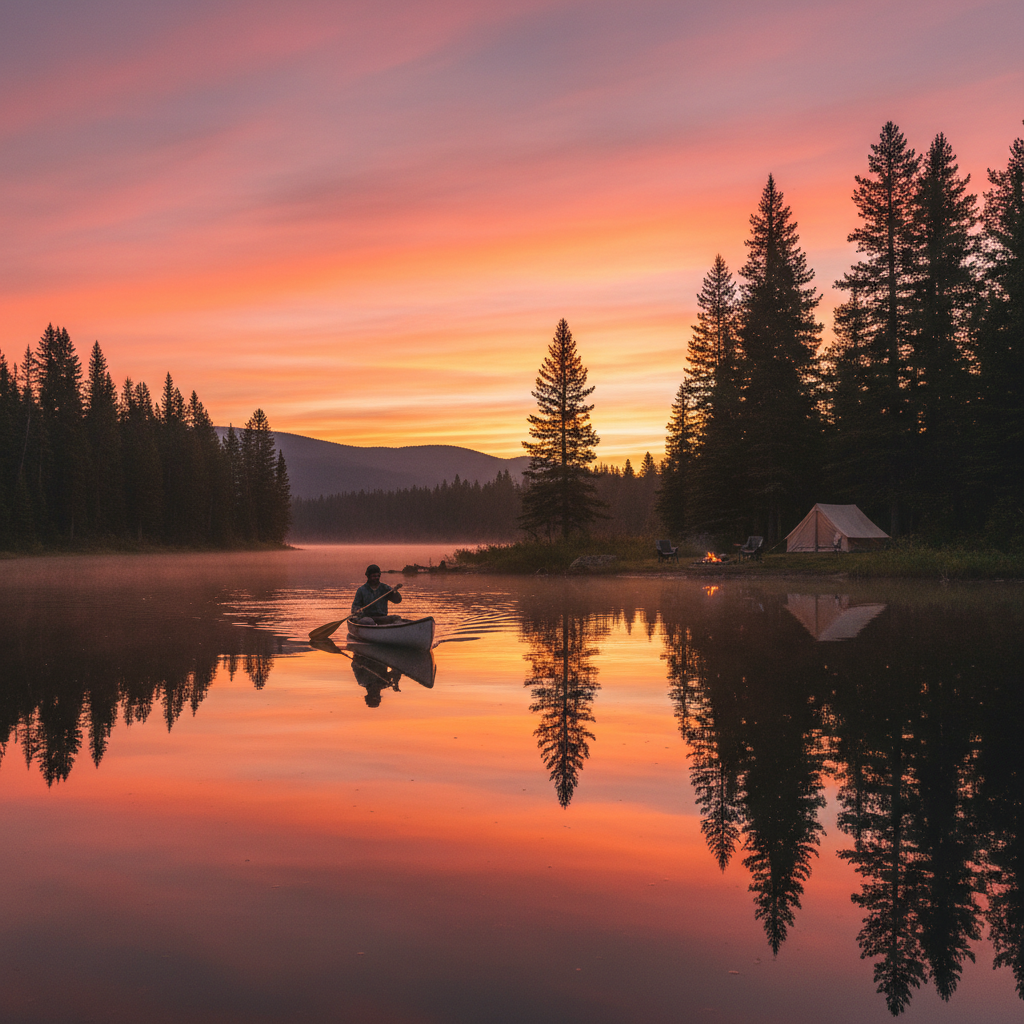
Imagine paddling across a glass-smooth lake as the sun rises, the only sound the gentle dip of your paddle. You arrive at a secluded beach, ready to set up camp, with all your gear packed neatly in your kayak. This is the allure of kayak camping – a unique blend of paddling exploration and wilderness living that offers unparalleled access to hidden gems and serene landscapes. But before you embark on your waterside adventure, knowing what to pack and how to prepare is crucial.
Planning Your Kayak Camping Trip
Successful kayak camping begins with meticulous planning. Consider the duration of your trip, the weather forecast, water conditions, and any permits required for your chosen area. Research potential campsites and plan your daily mileage to avoid overexertion. Always inform someone of your itinerary and expected return time.
The Kayak: Your Floating Base Camp
Choose a kayak suitable for touring – one with ample storage space (hatches are ideal) and good tracking for efficient paddling. Sit-on-top kayaks offer easy re-entry, while sit-in kayaks provide more protection from the elements. Practice loading and unloading your gear to ensure stability and balance.
Essential Gear for the Kayak Camper
Packing smart is key in kayak camping. Space is limited, and everything must be waterproofed. Here’s a breakdown of must-have items:
Shelter & Sleep System
- Lightweight Tent: Opt for a compact, waterproof tent designed for backpacking. Consider its packed size to ensure it fits easily into your kayak hatches.
- Sleeping Bag: Choose a sleeping bag appropriate for the expected night temperatures. A compressible synthetic or down bag is ideal.
- Sleeping Pad: A comfortable and insulating sleeping pad is essential for a good night's rest.
Cooking & Food
- Compact Camp Stove & Fuel: A small, reliable stove is perfect for preparing meals. Don't forget a lighter or matches!
- Cookware & Utensils: Bring a lightweight pot, pan, and eating utensils. A spork is a great space-saver.
- Non-Perishable Food: Dehydrated meals, instant oatmeal, nuts, and energy bars are excellent choices. For fresh food items, consider utilizing the SealMate™ Pro to pre-seal meats, cheeses, or even pre-chopped vegetables, protecting them from water and extending their freshness during your trip. Its compact, wireless design makes it perfect for outdoor use.
- Water Filter/Purifier: Access to clean drinking water is paramount. A reliable filter or purification tablets are non-negotiable.
Navigation & Safety
- Life Vest (PFD): Always wear a properly fitted PFD while on the water. It’s not just a recommendation; it’s a life-saver.
- Dry Bags: Multiple dry bags of various sizes are essential for keeping all your gear, especially electronics and clothing, absolutely dry.
- First-Aid Kit: A comprehensive kit for minor injuries and emergencies. Include any personal medications.
- Map & Compass/GPS: Even with a smartphone, always carry traditional navigation tools as a backup.
- Whistle & Signal Mirror: For attracting attention in an emergency.
- Repair Kit: Duct tape, cordage, and a multi-tool can fix many minor issues.
- Headlamp: The Rechargeable 5LED Headlamp is perfect for hands-free illumination around camp, navigating in the dark, or even late-night fishing. Its multiple light modes and adjustable strap make it versatile for any activity.
Clothing & Personal Items
- Quick-Drying Clothing: Synthetic layers are best. Avoid cotton, as it stays wet and loses its insulating properties.
- Rain Gear: A waterproof jacket and pants are essential, even if rain isn't forecasted.
- Hat & Sunglasses: For sun protection.
- Sunscreen & Insect Repellent: Protect yourself from the elements.
- Toiletries: Pack biodegradable soap and a small towel.
Packing Smart for the Kayak
Distribute weight evenly within your kayak to maintain balance. Pack heavier items low and centrally in your hatches. Use smaller dry bags to organize gear, making it easier to find what you need without unpacking everything. Secure anything on deck that could potentially float away.
Leave No Trace Principles
Kayaking camping offers access to pristine environments, and it's our responsibility to keep them that way. Always follow Leave No Trace principles:
- Plan Ahead and Prepare
- Travel and Camp on Durable Surfaces
- Dispose of Waste Properly
- Leave What You Find
- Minimize Campfire Impacts
- Respect Wildlife
- Be Considerate of Other Visitors
Kayak camping is an incredible way to experience the outdoors, offering solitude, adventure, and breathtaking views. With careful planning and the right gear, you're set for an unforgettable journey on the water. Happy paddling and camping!