
Kayak Camping Essentials: Paddle, Camp, Explore
Discover the must-have gear for your next kayak camping adventure. From waterproof bags to compact cooking, pack smart and explore more.
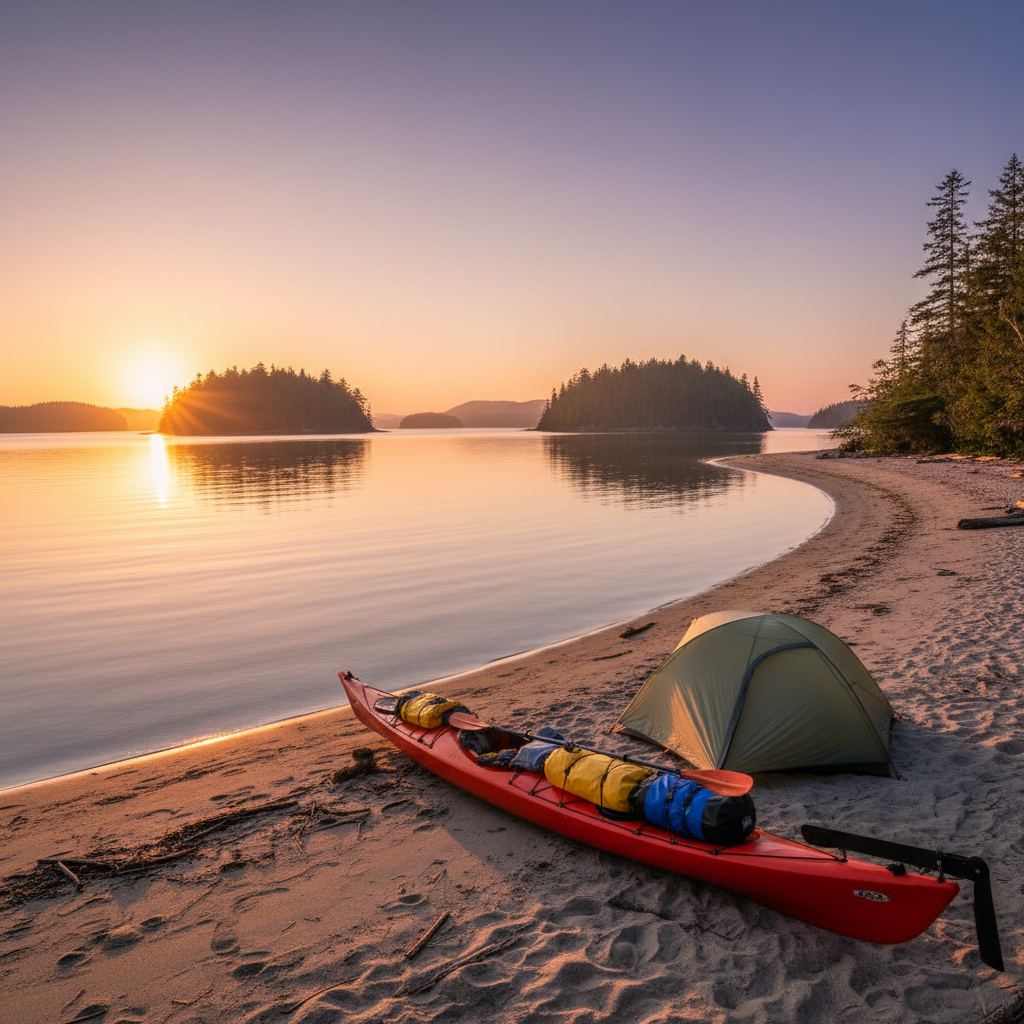
Kayak Camping Essentials: Paddle, Camp, Explore
Imagine paddling through serene waters, exploring hidden coves, and then setting up camp on a secluded beach or island only accessible by water. Welcome to the world of kayak camping! It’s an incredible way to combine your love for paddling with the freedom of backcountry camping. But unlike traditional backpacking, kayak camping requires a slightly different approach to gear selection and packing.
The Kayak: Your Floating Base Camp
While almost any recreational kayak can be used for an overnight trip, certain features make the experience much more enjoyable. Look for:
- Storage Capacity: Ample sealed hatches and bungee rigging on the deck are crucial for carrying your gear.
- Stability: A stable kayak makes loading, unloading, and fishing (if you're into it) much easier.
- Comfort: Ergonomic seats and adjustable footpegs are vital for long days on the water.
Essential Gear for a Kayak Camping Trip
Packing smart is paramount. Space is limited, and everything must be waterproof.
1. Waterproofing is Non-Negotiable
This is perhaps the most critical aspect of kayak camping. Even if you don't capsize, splashes, rain, and condensation can soak your gear.
- Dry Bags: Invest in several high-quality dry bags of various sizes. Roll-top dry bags are excellent for sleeping bags, clothing, and electronics.
- Pelican Cases: For really sensitive electronics like cameras or drones, a hard-shell waterproof case offers ultimate protection.
- Zip-top Bags: Use these for organizing smaller items within your dry bags, like first-aid supplies or toiletries.
2. Shelter & Sleep System
Think compact and robust.
- Tent: A lightweight, freestanding backpacking tent is ideal. Consider its packed size. Look for one that's easy to set up, especially if rain is a possibility.
- Sleeping Bag: Choose a sleeping bag appropriate for the expected night temperatures, prioritizing compressibility. Down bags offer excellent warmth-to-weight, but synthetic might be a safer bet in very damp conditions.
- Sleeping Pad: An inflatable sleeping pad will offer better insulation and comfort than a foam pad, and often packs down smaller.
3. Cooking & Hydration
Convenience and efficiency are key on the water.
- Camp Stove & Fuel: A compact backpacking stove (like a canister stove) is perfect. Bring enough fuel for your trip and a little extra.
- Cookware: A lightweight pot, pan, and basic eating utensils are sufficient. Don't forget a mug for your morning coffee or tea.
- Food: Dehydrated meals are lightweight and easy, but you can also bring fresh food for the first day or two if properly sealed and cooled.
- Water Filter/Purifier: Always have a means to filter or purify water, whether it's a pump filter, gravity filter, or purification tablets. Carry enough water for at least a day's travel.
4. Navigation & Safety
Be prepared for anything the water might throw at you.
- PFD (Personal Flotation Device): Wear it at all times! Seriously.
- Whistle: Attached to your PFD for signaling.
- Navigation: Waterproof map, compass, and a fully charged GPS device or smartphone with marine charts/offline maps. Tell someone your float plan.
- First-Aid Kit: Comprehensive and easily accessible.
- Headlamp/Lantern: Essential for camp life after dark. Consider a High-Performance Waist Fan that often includes a light function, providing both comfort and utility.
- Sun Protection: Hat, sunglasses, sunscreen, and UPF clothing.
5. Personal Items & Luxuries
- Clothing: Quick-drying layers are best. Pack enough for changing weather. Always have a dry set for camp.
- Camp Chair (Compact): A small, collapsible camp chair can make a world of difference for comfort.
- Entertainment: A book, fishing rod, or camera – just ensure they’re protected from water.
Packing Your Kayak
Distribute weight evenly. Heavier items should go in the middle, lower in the hull if possible, to maintain stability. Lighter, bulkier items (like your sleeping bag) can go in the ends. Keep frequently accessed items in smaller dry bags close at hand or secured under deck rigging.
Kayak camping offers an unparalleled sense of adventure and tranquility. With careful planning and the right gear, you'll be well-equipped to paddle, camp, and explore stunning waterborne landscapes for days on end. Happy paddling!