
Jigging for Beginners: A Complete Guide to Metal Jigs
New to jigging? Learn the basics of using metal jigs for fishing. This guide covers techniques, target species, and the best jigs for success.
Jigging for Beginners: A Complete Guide to Metal Jigs
Jigging is a dynamic and incredibly effective fishing technique that can put you on a variety of hard-fighting fish, from inshore species like redfish and snapper to offshore giants like tuna and amberjack. At its core, jigging involves vertically working a weighted lure – the jig – through the water column, mimicking an injured baitfish or squid. If you're new to the world of jigs, don't be intimidated! This comprehensive guide will walk you through everything you need to know to get started.
What is a Metal Jig?
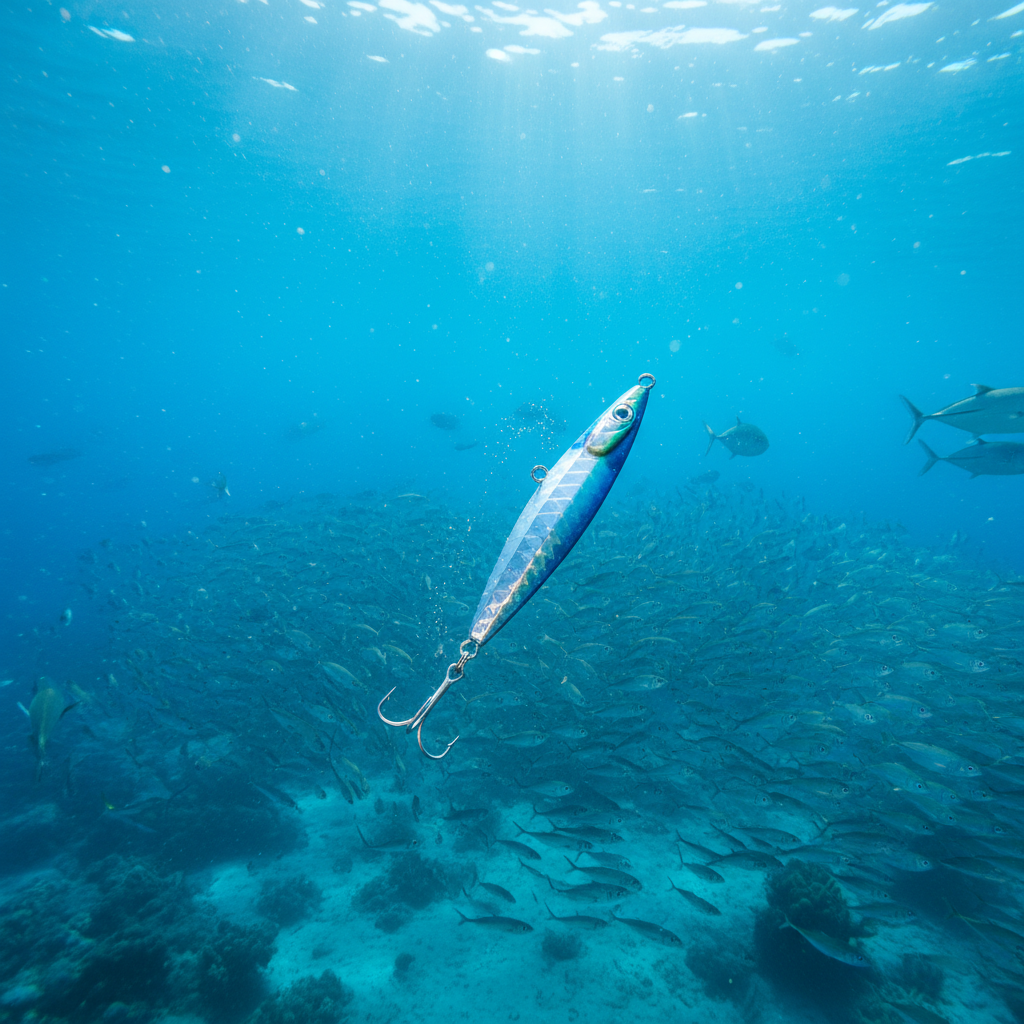
A metal jig is essentially a piece of metal, often lead or a lead alloy, shaped to resemble a baitfish. They come in an astonishing array of shapes, sizes, and colors, each designed for specific actions and fishing conditions. The weight allows them to sink quickly, making them ideal for targeting fish in deeper water or strong currents. Key features of a metal jig include:
- Weight: Determines how fast it sinks and how deep you can fish.
- Shape: Influences its action in the water (e.g., fluttering, darting, spiraling).
- Color/Finish: Important for attracting fish in different water clarities and light conditions.
- Hooks: Typically equipped with a single assist hook or treble hooks.
Getting Started: Essential Gear
While specialized jigging gear exists, you can certainly start with a robust spinning or baitcasting setup you might already own, as long as it's capable of handling the weight of the jigs and the power of the fish you're targeting.
Rod and Reel
Look for a medium-heavy to heavy power rod with a fast action, typically 6 to 7 feet in length. This gives you the backbone to work the jig and fight powerful fish. Pair it with a sturdy spinning reel (4000-8000 series) or a conventional reel, spooled with 30-80 pound braided line. Braided line is crucial due to its lack of stretch, which provides superior sensitivity and hook-setting power.
Leader
A fluorocarbon leader (40-80 lb test) is highly recommended. It's more abrasion-resistant than braid and nearly invisible underwater, increasing your chances of a bite. Always connect your leader to your main line with a strong knot like an FG knot or an Albright knot.
Jigging Techniques for Beginners
The beauty of jigging lies in its versatility. There are many ways to work a jig, but here are a few fundamental techniques to get you started:
1. Vertical Jigging (Yo-Yo Jigging)
This is the most common technique and involves dropping your jig to the desired depth and then rhythmically lifting and dropping your rod tip, reeling in a small amount of line with each lift. This makes the jig