Essential Lightweight Camping Gear for Backpacking
Pack smarter, not heavier! Discover essential lightweight camping gear for backpacking adventures to make your trek more enjoyable and efficient.
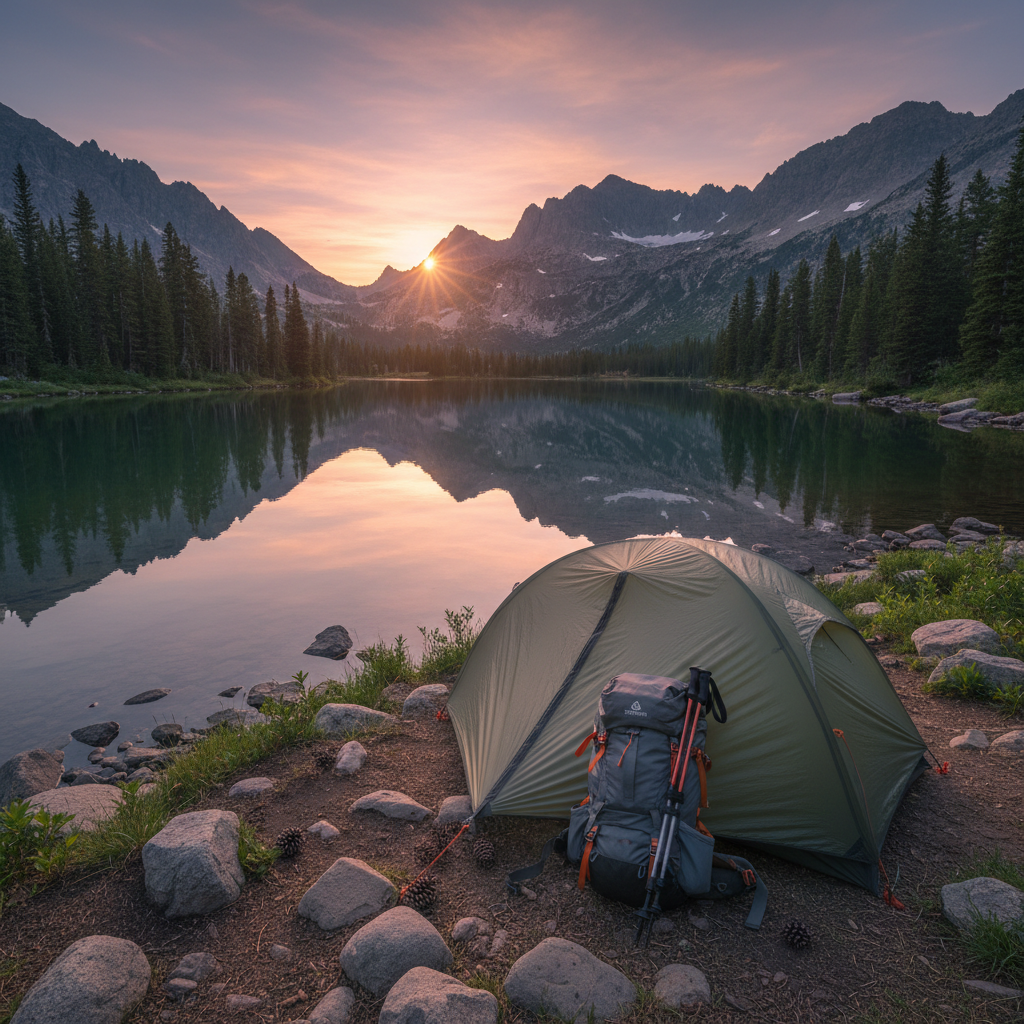
Essential Lightweight Camping Gear for Backpacking
Backpacking offers an unparalleled sense of freedom and immersion in nature. But the difference between a grueling slog and an exhilarating adventure often comes down to one critical factor: the weight of your pack. Every ounce counts when you're covering miles on foot, navigating varied terrain. Embracing lightweight camping gear isn't just for ultralight enthusiasts; it's a philosophy that enhances comfort, reduces fatigue, and allows you to truly enjoy the journey. This guide will help you identify the essential items that will lighten your load without sacrificing safety or comfort on your next backpacking trip.
The Philosophy of Lightweight Backpacking
Lightweight backpacking isn't about going without; it's about choosing wisely. It means investing in multi-functional gear, understanding your needs versus wants, and prioritizing efficiency. The goal is to reduce your 'base weight' (everything in your pack excluding consumables like food, water, and fuel) to make your hike more enjoyable.
The Big Three: Tent, Pack, and Sleep System
These three items typically make up the bulk of your pack's weight. Investing in lightweight versions here will yield the most significant savings.
1. The Backpack
Your pack is your mobile home. A lightweight backpack is designed with durable yet lighter fabrics, streamlined features, and an efficient suspension system. Look for packs in the 40-60 liter range for multi-day trips, weighing under 3 lbs (1.3 kg) empty. Consider our Trailblazer Ultralight Pack for its comfort and minimal weight.
2. The Shelter
Gone are the days of heavy, bulky tents. Modern lightweight shelters come in various forms:
- Ultralight Tents: Freestanding or semi-freestanding tents made from advanced materials like Dyneema Composite Fabric (DCF) or thin silnylon. Many weigh under 3 lbs for a 1-2 person shelter.
- Tarps: The lightest option, offering protection from rain but no insect barrier. Often paired with a bivy sack.
- Hammocks: For wooded areas, a hammock with an integrated bug net and separate rain fly can be a comfortable and light alternative.
3. The Sleep System
Comprising your sleeping bag/quilt and sleeping pad, this system is vital for recovery and warmth.
- Sleeping Bag/Quilt: Down insulation offers the best warmth-to-weight ratio. Quilts are often lighter than traditional sleeping bags as they forgo a zipper and back insulation (which gets compressed anyway). Choose a temperature rating appropriate for the coldest conditions you expect.
- Sleeping Pad: Inflatable pads offer excellent comfort and insulation with minimal weight. Closed-cell foam pads are cheaper and more durable, though less comfortable. A WarmthMax Sleeping Pad is designed for optimal warmth and packability.
Essential Gear for Comfort and Safety
Beyond the 'Big Three,' these items are crucial for a successful trip, but mindful selection is key to keeping weight down.
Cooking System
- Stove: Small canister stoves are popular for their simplicity and efficiency. Alcohol stoves are even lighter but slower. Consider a minimalist setup like a small pot, spoon, and lighter.
- Food: Dehydrated meals and calorie-dense snacks reduce bulk and weight. Plan your meals carefully to avoid carrying excess.
Navigation and Communication
- Map and Compass: Essential backcountry navigation. Learn how to use them!
- GPS Device/Smartphone App: Modern smartphones with downloaded maps (e.g., Gaia GPS, AllTrails) can be powerful navigation tools. Carry a power bank.
- Personal Locator Beacon (PLB) or Satellite Messenger: For emergencies, especially in areas without cell service.
Water Management
- Water Filter/Purifier: Crucial for staying hydrated without carrying excessive water weight. Squeeze filters or chemical tablets are lightweight options.
- Collapsible Water Bottles/Reservoirs: Lighter than rigid bottles when empty.
Clothing
Layering is key. Choose technical fabrics that wick moisture and dry quickly. Avoid cotton. Pack only what you need, considering expected weather. A lightweight rain jacket and insulating layer are non-negotiable.
First Aid and Hygiene
- Compact First Aid Kit: Tailor it to your trip and group size. Focus on essentials.
- Toiletries: Miniaturize everything. Biodegradable soap, small toothbrush, travel-size toothpaste.
Smart Packing Strategies
- Repackage: Remove excessive packaging from food and gear.
- Multi-use items: A trekking pole can double as a tent pole. Your cooking pot can be your eating bowl.
- Leave no trace: Pack out everything you pack in.
By carefully selecting your gear and adopting a lightweight mindset, you'll find that backpacking becomes a more enjoyable and liberating experience. Less weight on your back means more energy for breathtaking views, wildlife spotting, and simply soaking in the tranquility of the wilderness. Happy trails!