
Essential Camping Gear for Beginners: Your First Wilderness Adventure
Planning your first camping trip? Discover the essential gear you need for a comfortable, safe, and enjoyable outdoor experience. From tents to sleeping bags, we cover it all!
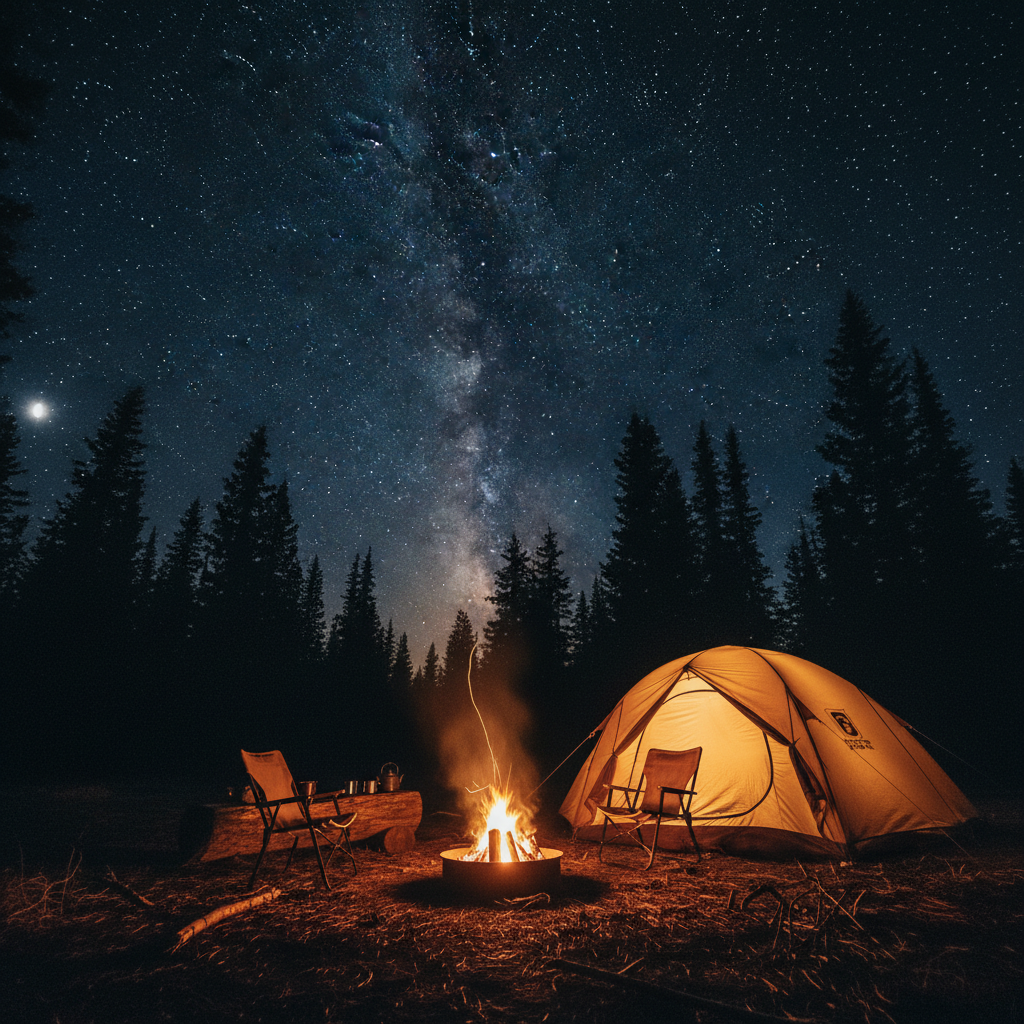
Your First Camping Adventure: What to Pack
Embarking on your first camping trip is an exciting prospect, a chance to disconnect from the daily grind and reconnect with nature. However, the thought of packing can be daunting. What do you really need? This guide will break down the essential camping gear for beginners, ensuring your inaugural wilderness experience is comfortable, safe, and memorable.
The Golden Rule of Camping Gear
Prioritize functionality, durability, and safety over luxury. While it's tempting to buy every gadget, focus on the core items that will protect you from the elements and ensure a good night's sleep.
Shelter: Your Home Away From Home
The tent is arguably the most crucial piece of camping equipment. It provides protection from weather, insects, and offers a private space.
Choosing the Right Tent
- Size: Consider how many people will be sleeping in it. A '2-person' tent might be snug for two, so often sizing up (e.g., a 3-person tent for two people) provides more comfort and space for gear. Look for a Spacious Family Tent if you're bringing the whole crew.
- Season Rating: Most beginner campers will opt for a 3-season tent, suitable for spring, summer, and fall in temperate climates. 4-season tents are designed for extreme cold and snow.
- Features: Look for good ventilation (mesh panels), a waterproof rainfly, and easy setup. A vestibule (covered area outside the tent door) is great for storing muddy boots or gear.
Ground Cover and Footprint
Always use a tent footprint or tarp underneath your tent. This protects the tent floor from abrasion, punctures, and helps keep moisture out. It's a small investment that significantly extends the life of your tent.
Sleeping System: Rest and Rejuvenation
A good night's sleep is vital for enjoying your camping trip. Your sleeping system consists of three main components.
Sleeping Bag
- Temperature Rating: This is the most critical factor. Choose a bag rated for temperatures slightly colder than you expect to encounter. If you anticipate 40°F (4°C) nights, get a bag rated for 30°F (-1°C).
- Shape: Mummy bags are warmest and lightest but restrictive. Rectangular bags offer more room but are bulkier and less warm for their weight.
- Insulation: Down is lightweight and compressible but loses insulating power when wet. Synthetic insulation performs better when damp and is usually more affordable.
Sleeping Pad
Crucial for both comfort and insulation from the cold ground. Don't skip this!
- Foam Pads: Inexpensive, durable, and puncture-proof. Good for basic insulation.
- Self-Inflating Pads: More comfortable, offer better insulation, and are relatively easy to set up.
- Air Pads: Most comfortable and compact when deflated but can be punctured more easily.
Pillow
While some people use a stuff sack filled with clothes, a dedicated camping pillow (inflatable or compressible foam) can greatly improve your sleep quality. Consider a Comfortable Camping Pillow.
Camp Kitchen Essentials: Fueling Your Adventures
Eating well is part of the camping experience. Keep it simple for your first trip.
Cooking System
- Camp Stove: A small, portable propane stove with one or two burners is perfect for boiling water and cooking simple meals. Don't forget fuel canisters!
- Cookware: A basic pot and pan set, plates, bowls, and cutlery. Reusable plastic or metal options are great.
Hydration
- Water Bottles/Reservoir: Carry plenty of water. Plan for at least 1 gallon (4 liters) per person per day for drinking and cooking.
- Water Filter/Purifier: If you're relying on natural water sources, a reliable filter is non-negotiable for safety.
Food Storage
A cooler for perishables and bear-resistant containers or bags if you're in bear country are essential for food safety and preventing wildlife encounters.
Clothing: Layer Up!
The key to staying comfortable in varying outdoor temperatures is layering. Avoid cotton, as it loses its insulating properties when wet and takes a long time to dry.
- Base Layer: Moisture-wicking material (synthetic or merino wool) to keep sweat away from your skin.
- Mid-Layer: Fleece or puffy jacket for insulation.
- Outer Layer: Waterproof and windproof jacket and pants for protection against rain and wind.
- Accessories: Hat (for sun and warmth), gloves, extra socks.
Navigation & Safety: Be Prepared
Never venture into the wilderness without knowing how to find your way and handle emergencies.
- Map and Compass: Learn how to use them, even if you have a GPS device. Batteries die!
- First-Aid Kit: A well-stocked kit for minor injuries and ailments.
- Headlamp/Flashlight: With extra batteries. Essential for navigating after dark.
- Multi-tool/Knife: Indispensable for countless tasks.
- Fire Starter: Waterproof matches, lighter, or ferro rod.
Personal Items & Miscellaneous
- Sunscreen and insect repellent.
- Toiletries (biodegradable where possible).
- Trash bags (pack it in, pack it out!).
- Camp chairs (for comfort around the fire).
Conclusion
Your first camping trip doesn't have to be complicated. By focusing on these essential items – shelter, a comfortable sleeping system, basic cooking gear, appropriate clothing, and safety tools – you'll be well-equipped for a fantastic experience. Get out there, explore, and create some unforgettable memories under the stars!