
Essential Camping Gear for Beginners: Your First Trip
Embark on your first camping adventure with confidence! Discover the essential gear you need for a safe, comfortable, and memorable outdoor experience.
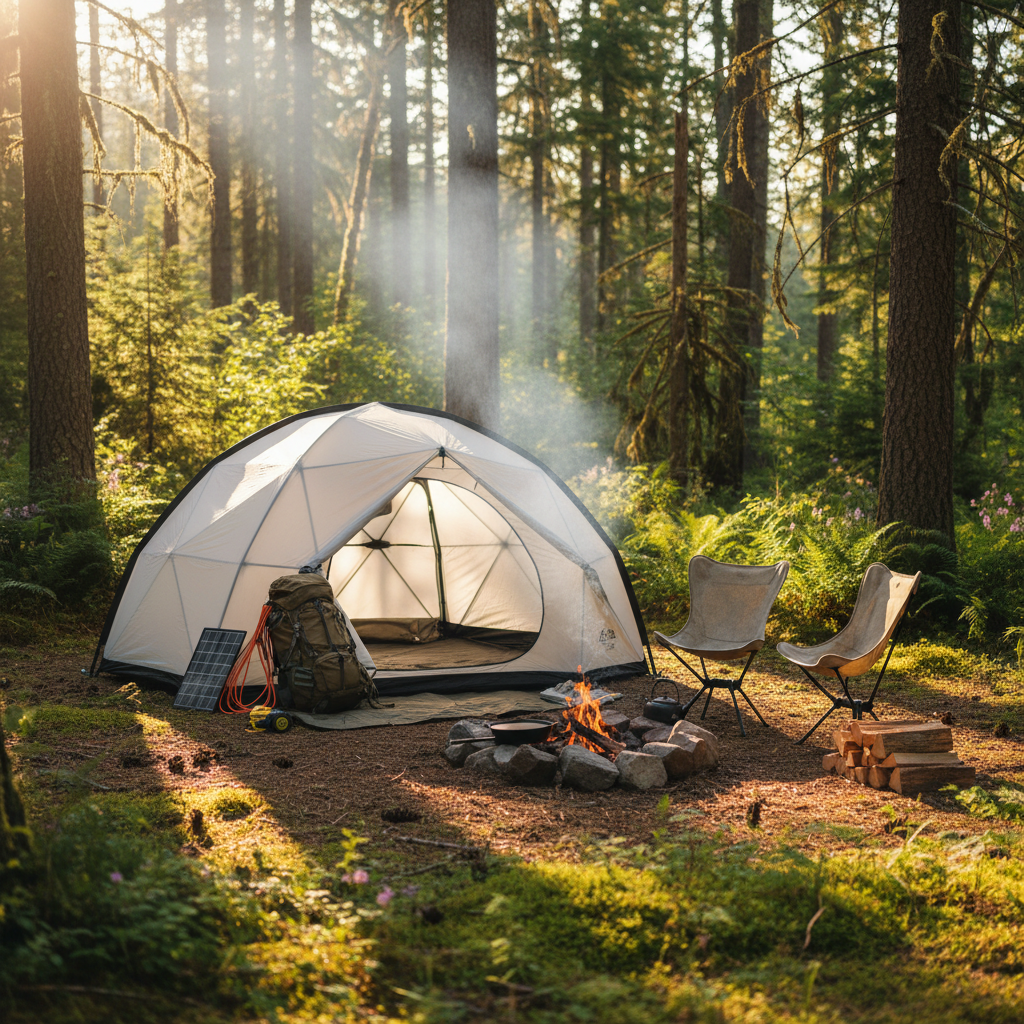
Essential Camping Gear for Beginners: Your First Trip
Embarking on your first camping trip is an exciting step into the world of outdoor adventure! The thought of sleeping under the stars, waking up to the sounds of nature, and disconnecting from daily life is truly inviting. However, the sheer volume of camping gear available can feel overwhelming. Don't worry! This guide will break down the absolute essentials you'll need for a safe, comfortable, and enjoyable first camping experience.
The Big Three: Shelter, Sleep, and Sustenance
When it comes to camping, these three categories are your top priorities. Nailing these down will ensure you have a solid foundation for your trip.
1. Shelter: Your Home Away From Home
A good tent is your primary defense against the elements. For beginners, focus on ease of setup and weather resistance.
- Tent: A 3-season tent is versatile for most conditions from spring to fall. Choose a size that's one person larger than your group (e.g., a 3-person tent for two people) to allow for gear storage. Look for features like sealed seams, strong zippers, and good ventilation.
- Tent Footprint/Tarp: An extra layer beneath your tent to protect its floor from abrasion and moisture. This extends the life of your tent and keeps you drier. (Explore our durable tent footprints)
2. Sleep System: Rest Up for Adventure
Getting a good night's sleep outdoors is crucial. Your sleep system consists of three main components:
- Sleeping Bag: Match your sleeping bag's temperature rating to the lowest expected night-time temperature. Synthetic insulation is often recommended for beginners as it performs well even when damp.
- Sleeping Pad: This is not just for comfort; it provides crucial insulation from the cold ground. Choose between inflatable pads for maximum comfort or closed-cell foam pads for durability and simplicity.
- Pillow (Optional, but Recommended!): A small inflatable pillow or even a stuff sack filled with clothes can make a huge difference in your sleep quality.
3. Sustenance: Food, Water, and Cooking
Staying nourished and hydrated is non-negotiable.
- Water Bottles/Hydration Reservoir: Carry enough water for hiking and camp activities. Consider a water filter or purification tablets for refilling from natural sources.
- Camp Stove and Fuel: A compact, reliable stove is key for cooking meals. Propane or Isobutane canister stoves are popular for their ease of use. (Check out our compact backpacking stoves)
- Cookware: A basic pot, pan, and utensils are sufficient. Don't forget biodegradable soap and a scrubby for cleaning.
- Food: Plan simple, non-perishable meals. Think rehydratable meals, sandwiches, trail mix, and easy-to-cook items. Always store food properly to deter wildlife.
Beyond the Big Three: Other Essentials
With shelter, sleep, and sustenance covered, here are other important items to pack for a smooth trip:
- Navigation: Map, compass, and/or a GPS device/smartphone with offline maps. Know how to use them!
- Headlamp or Flashlight: With extra batteries. Essential for navigating camp after dark.
- First-Aid Kit: A well-stocked kit for minor injuries and ailments is a must-have.
- Sun Protection: Sunscreen, sunglasses, and a wide-brimmed hat.
- Insect Repellent: Protect yourself from mosquitoes and ticks.
- Appropriate Clothing: Layers are key! Pack moisture-wicking base layers, insulating mid-layers, and a waterproof/windproof outer shell. Even in summer, evenings can get cool.
- Trash Bags: Pack out everything you pack in – leave no trace!
- Pocket Knife or Multi-tool: Always handy for various tasks.
- Fire Starter: Matches or a lighter, along with some tinder, for campfires (if permitted and safe).
Packing Tips for Your First Trip
- Make a Checklist: This is your best friend to ensure nothing is forgotten.
- Pack Smart: Distribute weight evenly in your backpack. Place heavier items close to your back.
- Practice Setup: Before you leave, practice setting up your tent at home. It’s easier and less stressful than doing it for the first time in the dark or rain.
- Leave No Trace: Learn and practice the 7 Leave No Trace principles to minimize your impact on the environment.
Your first camping trip is an adventure waiting to happen. By carefully planning and packing these essentials, you'll be well-prepared to enjoy the beauty of the outdoors responsibly and comfortably. Happy camping!