Essential Camping Food Storage for Multi-Day Trips
Learn the best strategies for camping food storage on multi-day trips to keep your meals fresh, safe, and easily accessible.
Essential Camping Food Storage for Multi-Day Trips
Embarking on a multi-day camping trip promises adventure, but it also presents a crucial challenge: how to store your food safely, efficiently, and hygienically. Proper food storage isn't just about preserving taste; it's about preventing spoilage, keeping wildlife away, and ensuring you have nourishing meals throughout your journey.
Why Proper Food Storage is Non-Negotiable
1. Safety: Preventing foodborne illnesses is paramount. Improperly stored food can quickly spoil, especially in varying outdoor temperatures.
2. Wildlife Protection: Bears, raccoons, and other animals are attracted to food scents. Secure storage protects your provisions and, more importantly, keeps wildlife wild and safe from human interaction.
3. Efficiency: Organized food storage means less time searching for ingredients and more time enjoying your trip.
4. Minimizing Waste: Correct storage extends the life of your food, reducing waste and ensuring you don't run out of supplies prematurely.
Key Strategies for Multi-Day Food Storage
#### 1. Plan Your Meals Thoughtfully
Before you pack, plan every meal. This helps you bring only what you need, reducing bulk and weight. Consider dehydrated or freeze-dried options for lightweight, long-lasting meals, especially as the trip progresses.
#### 2. Master the Art of Packaging
Repackaging is your best friend. Remove food from bulky original boxes and transfer it into:
- Airtight Containers: For items like pasta, rice, coffee, and spices.
- Heavy-Duty Ziplock Bags: Excellent for bread, wraps, or as secondary protection for other items.
- Vacuum Sealing: This is a game-changer for raw meats, cheeses, and even pre-portioned meals. A compact device like the SealMate™ Pro allows you to seal items before your trip, drastically extending their freshness and protecting them from moisture and odors. It's also fantastic for sealing leftovers even while camping, minimizing waste and mess.
#### 3. Keep Perishables Chilled
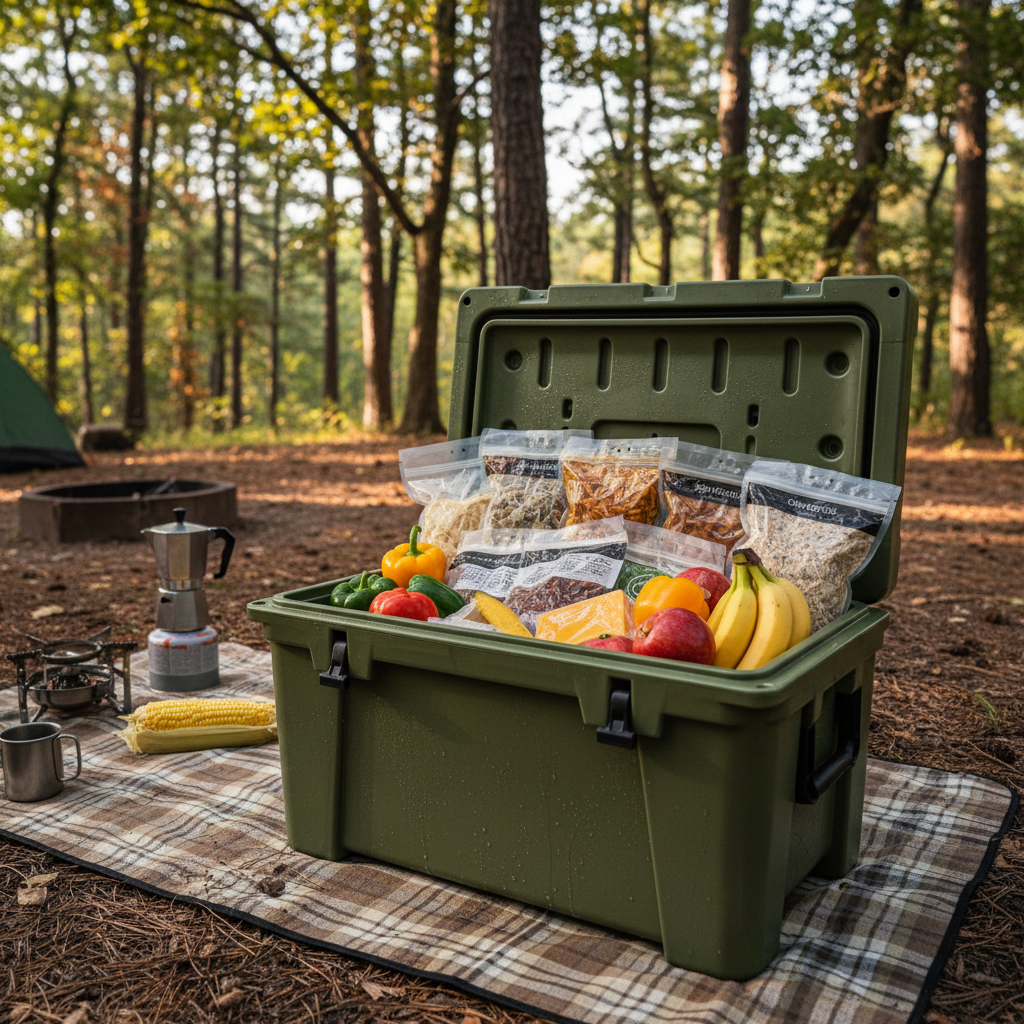
For the first day or two, you might bring perishables. Use a high-quality cooler packed correctly:
- Pre-chill: Cool your cooler and its contents before packing.
- Layering: Place ice blocks or frozen water bottles at the bottom, then less perishable items, then more perishable items on top. Fill gaps with crumpled newspaper or towels to minimize air space.
- Drainage: Keep the drain plug closed initially to maintain cold air, but drain water regularly if you're using loose ice to prevent items from getting soggy.
#### 4. Bear-Resistant Solutions (Where Applicable)
In bear country, specific measures are legally required and critical for safety:
- Bear Canisters: Hard-sided, locking containers that bears cannot open. Required in many wilderness areas.
- Bear Bags/Hanging: Suspend food bags from a tree branch, at least 10-12 feet off the ground and 4-6 feet from the trunk, using a proper bear hang technique.
- Food Storage Boxes: Some developed campgrounds offer metal, bear-resistant food storage lockers.
Always store food, scented items (toothpaste, sunscreen), and trash away from your tent and cooking area.
#### 5. Organize and Label
Use different colored dry bags or clear bins to categorize food (e.g., breakfast, lunch, dinner, snacks). Label everything clearly. This saves time and ensures you consume older items first.
By implementing these food storage strategies, you'll ensure your multi-day camping trip is not only adventurous but also well-fed, safe, and enjoyable for everyone involved. Happy camping!