
Essential Backcountry Camping Gear for Lightweight Adventures
Plan your next wilderness escape with our guide to essential lightweight backcountry camping gear. Minimize your pack weight without sacrificing comfort or safety.
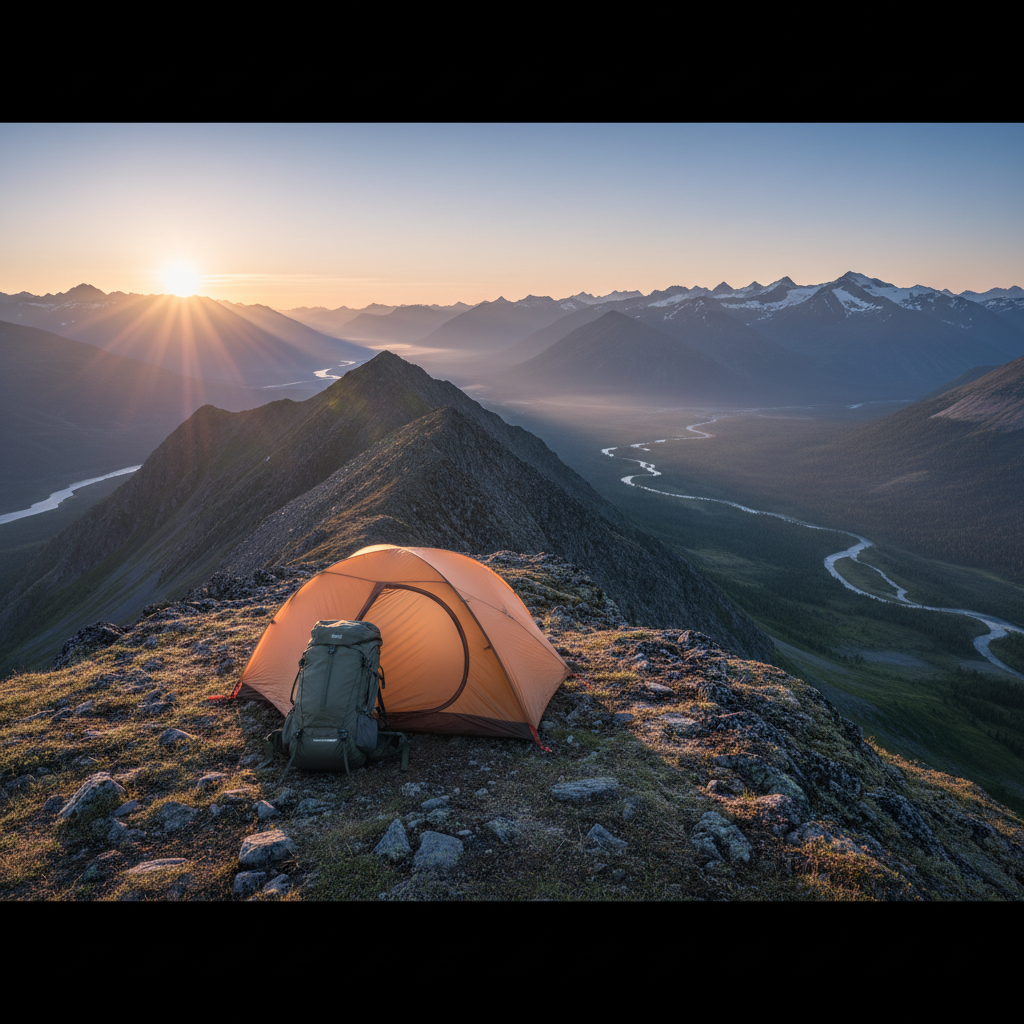
Embarking on a backcountry camping trip is an incredible way to connect with nature, offering solitude and breathtaking views far from crowded campgrounds. The key to a successful and enjoyable experience lies in smart gear selection, prioritizing lightweight, durable, and multi-functional items. Every ounce counts when you're carrying everything on your back.
The Core Four: Shelter, Sleep, Pack, Cook
These are the fundamental categories where careful choices can significantly reduce your pack weight and enhance your comfort in the wilderness.
1. Lightweight Shelter: Your Home Away From Home
Gone are the days of heavy canvas tents. Modern backcountry shelters are incredibly light and compact.
- Ultralight Tents: Designed for minimal weight, often using trekking poles for support. Look for options under 3 lbs for a 1-2 person tent.
- Tarps: The lightest option, offering protection from rain but less from bugs and wind. Requires more skill to pitch effectively.
- Hammocks: Excellent for forested areas, keeping you off the cold, uneven ground. Requires a bug net and rain fly for full protection.
Consider a versatile option like the Trailblazer Ultralight Tent, known for its balance of weight, durability, and easy setup.
2. Sleep System: Rest for the Trail
A good night's sleep is crucial for energy and morale. Your sleep system consists of a sleeping bag and a sleeping pad.
- Sleeping Bag: Choose one rated for the lowest temperature you expect to encounter. Down insulation offers the best warmth-to-weight ratio, while synthetic is better in wet conditions. Look for hydrophobic down for added water resistance.
- Sleeping Pad: Provides insulation from the cold ground and crucial comfort. Inflatable pads offer superior comfort and packability, while closed-cell foam pads are durable and puncture-proof, though bulkier.
3. Backpack: Your Mobile Base Camp
Your backpack is more than just a bag; it's how you comfortably carry all your essentials. Look for a pack that fits well and has a capacity appropriate for your trip length (typically 40-65 liters for multi-day trips).
Key features to consider:
- Comfortable Suspension System: Padded hip belt and shoulder straps are a must.
- Lightweight Fabric: Durable but not overly heavy materials.
- Accessibility: Pockets and access points for frequently used items.
- Water Resistance: Look for DWR coating or an integrated rain cover.
4. Cooking System: Fueling Your Adventure
Even if you're planning on cold-soaking meals, a basic cooking setup is often desirable for hot drinks or dehydrated meals.
- Ultralight Stove: Canister stoves are popular for their ease of use. Alcohol stoves are even lighter but slower.
- Pot/Mug: A single titanium pot can serve multiple purposes.
- Utensil: A spork is usually sufficient.
- Fuel: Bring enough for your planned meals, plus a little extra.
For a reliable, compact option, the Hiker's Feast Stove Kit includes a stove, small pot, and fuel canister holder.
Beyond the Core: Essential Extras
Don't forget these vital items, often overlooked in the pursuit of ultralight, but critical for safety and navigation.
- Navigation: Map, compass, and a fully charged phone with GPS (and a power bank).
- Water Filtration: A Sawyer Squeeze or similar filter is crucial for safe drinking water.
- First-Aid Kit: Tailored to your trip length and group size.
- Headlamp: With spare batteries.
- Sun Protection: Hat, sunglasses, sunscreen.
- Knife/Multi-tool: Essential for various tasks.
- Communication: Whistle, and potentially a satellite messenger for remote areas.
Packing Smart: The Art of Organization
- Weight Distribution: Pack heavier items close to your back and between your shoulder blades.
- Accessibility: Keep frequently needed items (water, snacks, rain gear) in easily accessible pockets.
- Dry Bags: Use these to protect critical items like sleeping bags and electronics from moisture.
Embracing lightweight backcountry camping allows you to cover more ground, reduce fatigue, and truly immerse yourself in the wild. By carefully selecting your gear and practicing smart packing, your next adventure will be safer, more comfortable, and utterly unforgettable.