
Essential Backcountry Camping Gear for Beginners
Planning your first backcountry trip? Discover the essential gear you need for a safe, comfortable, and unforgettable adventure in the wilderness.
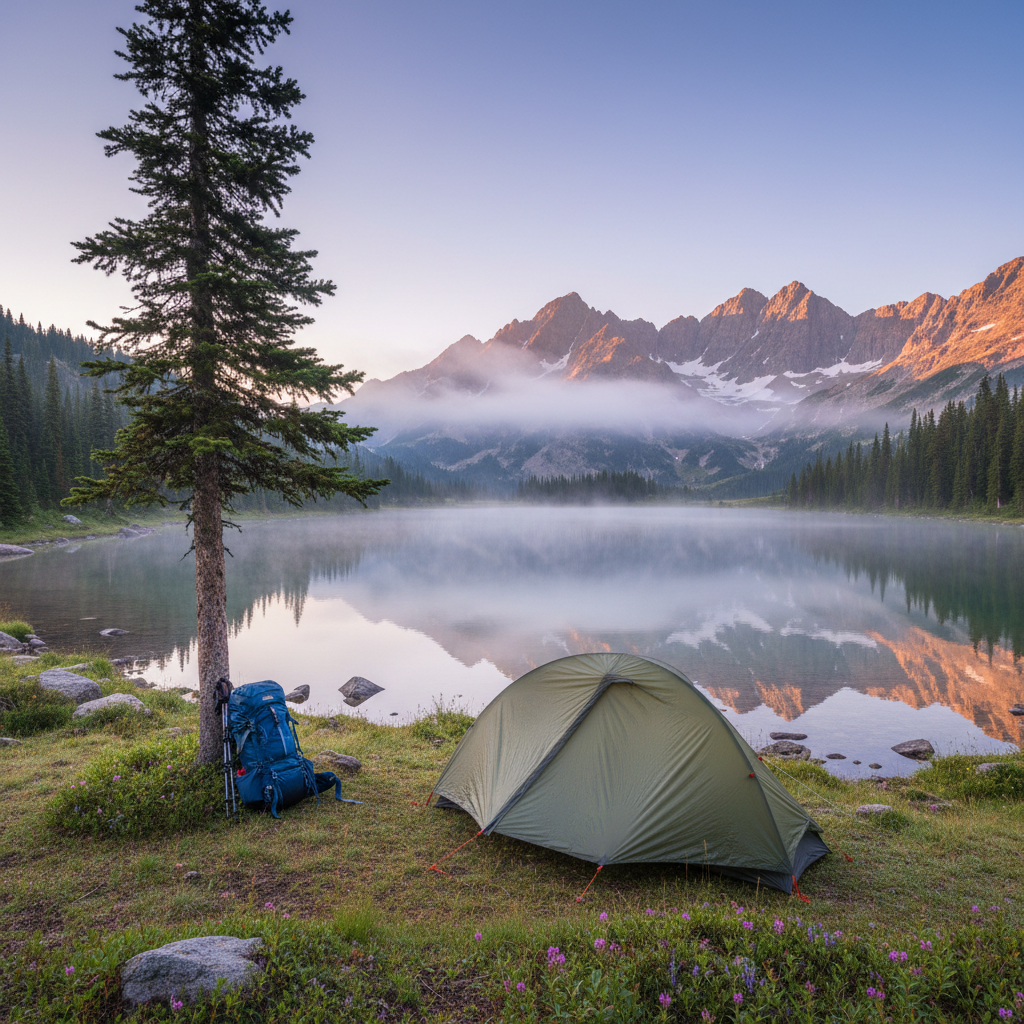
Your First Backcountry Adventure: Essential Gear for Beginners
Dreaming of escaping the crowds and immersing yourself in nature's raw beauty? Backcountry camping offers an unparalleled experience, but it requires careful planning, especially when it comes to gear. Unlike car camping, every item you bring needs to be functional, lightweight, and absolutely essential. For beginners, assembling the right kit can feel daunting, but with this guide, you'll be well on your way to a safe and enjoyable journey.
The Big Three: Shelter, Sleep, and Pack
These are the foundational elements of your backcountry kit, dictating your comfort and ability to carry everything.
1. Shelter: Your Home Away From Home
Your tent or shelter needs to withstand the elements and provide a bug-free haven. For beginners, a lightweight, three-season backpacking tent is a great starting point. Look for features like:
- Weight: Aim for under 3-4 pounds per person if possible.
- Durability: Ripstop nylon or polyester are common materials.
- Easy Setup: You don't want to struggle with complicated poles after a long hike.
- Vestibules: Crucial for storing wet gear and boots outside your sleeping area.
Alternatively, for warmer, drier climates, a minimalist tarp and bivy sack can significantly reduce weight, but offer less protection from bugs and wind.
2. Sleep System: Rest Up for Adventure
A good night's sleep is paramount for enjoying your hike and staying safe. Your sleep system comprises a sleeping bag and a sleeping pad.
- Sleeping Bag: Choose a sleeping bag rated for the lowest temperatures you expect to encounter, plus a buffer. Down insulation offers excellent warmth-to-weight, while synthetic insulation performs better when wet. Consider a bag that packs down small, such as our ultralight down sleeping bag.
- Sleeping Pad: This isn't just about comfort; it's vital for insulation from the cold ground. Inflatable pads offer the best comfort and warmth, but foam pads are more durable and puncture-proof. Look at the R-value (insulation rating) – higher numbers mean more warmth.
3. Backpack: Your Mobile Storage Unit
Your backpack is more than just a bag; it's how you carry your survival. For multi-day trips, a pack in the 50-70 liter range is generally appropriate. Key considerations include:
- Fit: This is the most important factor. A properly fitted pack distributes weight comfortably to your hips. Get professionally fitted if possible.
- Weight: Lighter pack weight means more comfort on the trail.
- Features: Look for external pockets for water bottles, hip belt pockets for snacks, and attachment points for extra gear.
Beyond the Big Three: Essentials for Safety and Comfort
Once you have your core gear, round out your kit with these crucial items:
Navigation and Safety
- Map and Compass/GPS: Know how to use them! Always carry a physical map, even if you have a GPS device or phone app.
- Headlamp: With extra batteries. Essential for navigating camp after dark.
- First-Aid Kit: Tailored to your trip length and group size, including personal medications.
- Fire Starter: Waterproof matches, lighter, or a ferro rod.
- Whistle: For signaling in an emergency.
- Knife/Multi-tool: Always handy for various tasks.
Hydration and Food
- Water Filter/Purifier: Never rely on carrying all your water. A filter like the backcountry water filter is a lifesaver.
- Water Bottles/Reservoir: Carry at least 2-3 liters capacity.
- Dehydrated Meals: Lightweight, calorie-dense options.
- Snacks: Energy bars, nuts, dried fruit to keep you fueled throughout the day.
Clothing
Dress in layers, avoiding cotton. Opt for moisture-wicking synthetics or wool. Always pack a rain jacket and pants, even if the forecast looks clear.
Packing Smart: The Art of Organization
Once you have your gear, knowing how to pack it is key. Place heavier items close to your back and between your shoulder blades. Items you need frequently (water, snacks, map) should be easily accessible. Use dry bags for electronics and clothing to protect them from moisture.
Backcountry camping is an incredibly rewarding experience. By investing in quality, essential gear and understanding how to use it, you'll build confidence and create memories that last a lifetime. Happy trails!