
Choosing the Right Lures for Mountain Trout Streams
Discover the best lures for catching trout in mountain streams. Learn about spinners, spoons, soft plastics, and flies for successful angling.
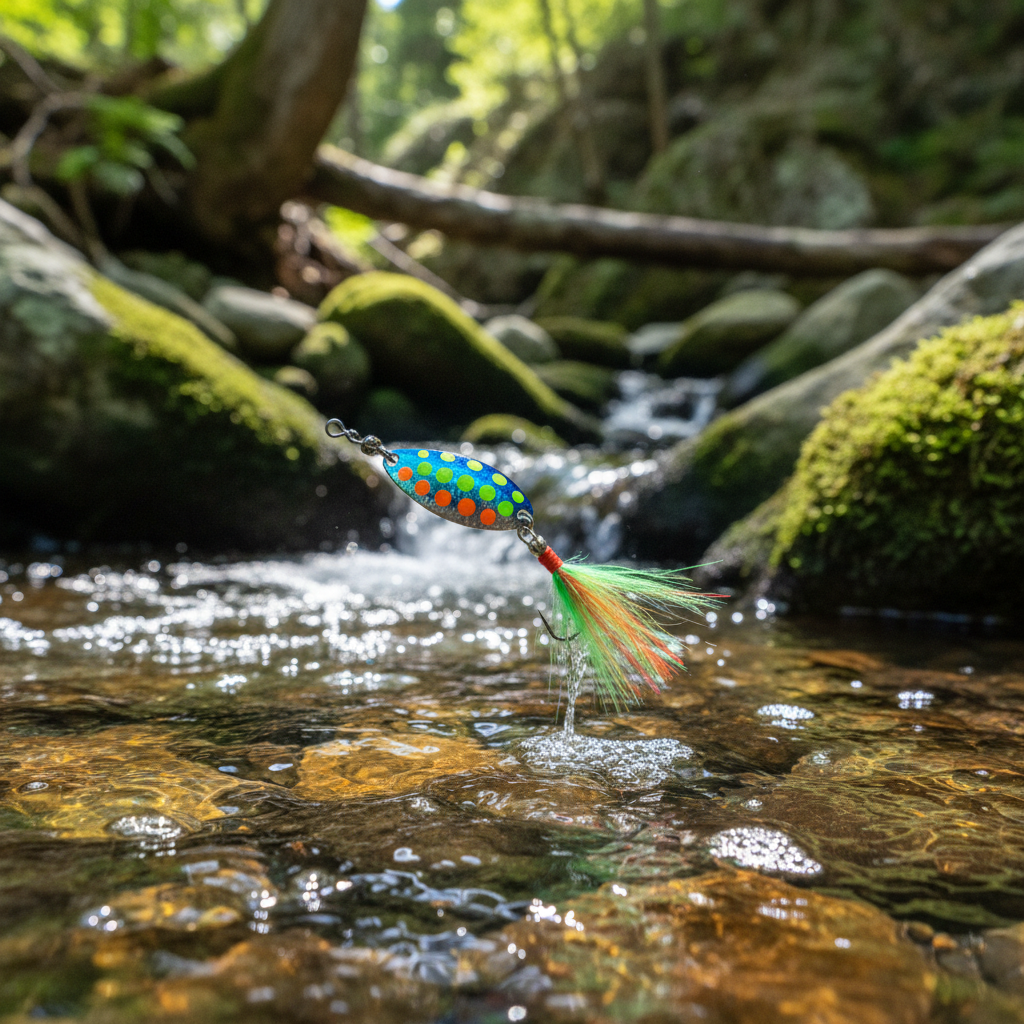
Decoding the Depths: Choosing the Right Lures for Mountain Trout Streams
There's nothing quite like the serene beauty and challenging thrill of fishing a pristine mountain trout stream. The crystal-clear water, the dappled sunlight through towering trees, and the elusive flash of a wild trout are experiences that call to every angler. However, these environments also demand a thoughtful approach to lure selection. What works on a vast lake might fall flat in a narrow, fast-moving stream. Understanding the subtle nuances of these delicate ecosystems is key to consistently enticing those wily trout.
Understanding Mountain Stream Trout Behavior
Before we dive into specific lures, it's crucial to consider the trout themselves. Mountain stream trout – often brook, rainbow, or brown trout – are opportunistic feeders, but they are also incredibly wary. They live in an environment where food sources can be sporadic, and predators are common. This makes them highly attuned to natural presentations and suspicious of anything that looks out of place.
Factors influencing their behavior include:
- Water Clarity: Mountain streams are usually exceptionally clear, meaning trout have excellent visibility. This necessitates smaller, more natural-looking lures and precise presentations.
- Current: The flow of the water dictates how trout position themselves and how they expect food to arrive. Lures need to work effectively within the current without looking unnatural.
- Food Sources: Their diet consists mainly of aquatic insects (nymphs, larvae), terrestrial insects (grasshoppers, ants), small baitfish, and sometimes even tiny crustaceans. Matching these natural food sources is often the most successful strategy.
Top Lure Categories for Stream Trout
Let's break down the most effective lure types you should have in your tackle box for mountain stream adventures. Each has its unique advantages and ideal situations.
1. Inline Spinners: The Flash and Vibration Kings
Inline spinners are perhaps the most iconic and consistently effective lures for stream trout. Their spinning blade creates irresistible flash and vibration, mimicking a struggling baitfish or a large insect.
#### Key Considerations:
- Size: Stick to smaller sizes, typically #00 to #2. Larger spinners can overwhelm trout in clear, shallow water.
- Color: Natural colors like silver, gold, and black are excellent choices. Some anglers also have success with brighter colors like chartreuse or orange in stained water or during specific insect hatches.
- Weight: Choose spinners that are heavy enough to cast accurately and sink quickly in current but not so heavy they constantly snag the bottom. The StreamMaster Spinner is a popular choice among stream anglers.
2. Small Spoons: Wobble and Flash
Compact spoons, particularly those designed for trout, offer a different kind of flash and wobble. Their erratic action can imitate injured baitfish or even a falling leaf, triggering aggressive strikes.
#### Key Considerations:
- Size & Weight: Again, smaller is better. 1/16 oz to 1/8 oz spoons are usually perfect. They need enough weight to cast but not so much they plunge too quickly.
- Action: Look for spoons with a good, fluttering fall and a distinct wobble on the retrieve.
- Colors: Silver, gold, copper, and combinations with red or orange accents are perennial favorites. The Pocket Predator Spoon Set offers a great variety for different conditions.
3. Soft Plastics & Jigs: The Finesse Option
When trout are particularly finicky or in heavily pressured waters, soft plastics and small jigs can be incredibly effective. They offer a subtle, natural presentation that's hard to beat.
#### Popular Choices:
- Micro Jigs: Small marabou jigs or those with tiny plastic bodies (1/32 oz to 1/8 oz) can mimic aquatic insects or small fry.
- Grubs & Worms: Tiny plastic grubs (1-2 inches) or straight-tail worms rigged on a small jig head or under a float can be deadly.
- PowerBait/Dough Baits: While technically not lures, these scented soft baits are incredibly effective for stocked trout and can sometimes tempt wild ones too.
4. Flies (for Fly Anglers)
For those who prefer fly fishing, the options are vast. Matching the hatch is paramount, but some staples include:
- Dry Flies: Caddis, Mayfly, Stonefly imitations for surface feeding trout.
- Nymphs: Pheasant Tail, Hare's Ear, Prince Nymph are subsurface essentials.
- Streamers: Woolly Buggers or Clouser Minnows to imitate baitfish.
Presentation is Everything
No matter what lure you choose, how you present it is just as important. Here are some universal tips:
- Cast Upstream: Cast upstream and retrieve your lure slightly faster than the current to give it a natural drift. This also allows the lure to approach trout from behind, making it less likely to spook them.
- Vary Your Retrieve: Experiment with different retrieve speeds, pauses, and twitches. Sometimes a steady retrieve works, other times an erratic action is key.
- Target Structure: Focus your casts around rocks, logs, undercut banks, and deeper pools – these are trout's prime hiding and feeding spots.
- Stealth: Approach the stream quietly. Wear natural colors and avoid sudden movements that could spook fish.
Conclusion
Fishing mountain trout streams is a rewarding experience that sharpens your angling skills. By understanding the unique environment and having a selection of appropriate lures – from the flashing allure of spinners and spoons to the subtle temptation of soft plastics – you'll be well-equipped to enjoy a successful and memorable day on the water. Remember, observation and adaptation are your best tools. Tight lines!