
Choosing the Right Lure for Bass Fishing Success
Maximize your bass fishing success! Learn how to pick the perfect lure for any situation, from crankbaits to soft plastics.
Choosing the Right Lure for Bass Fishing Success
Bass fishing is an exhilarating pursuit, but often, the difference between a triumphant catch and a frustrating day lies in one crucial decision: lure selection. With an overwhelming array of options available, knowing which lure to tie on can feel like a daunting task. Fear not, fellow angler! This comprehensive guide will demystify the world of bass lures, helping you make informed choices that lead to more bites and bigger fish.
Understanding Bass Behavior and Habitat
Before diving into specific lures, it's essential to understand the target: the bass. Largemouth and Smallmouth bass are opportunistic predators that inhabit diverse environments, from shallow, weedy lakes to deep, rocky rivers. Their behavior is influenced by factors like water temperature, time of year, light conditions, and available forage. Understanding these variables will significantly narrow down your lure choices.
Bass often relate to structure – fallen trees, docks, rock piles, weed beds, and submerged humps – as these areas provide cover, ambush points, and food sources. Observing these elements is key to presenting the right lure in the right place.
The Lure Arsenal: Types and Uses
Let's break down the most effective bass lures and when to deploy them:
1. Crankbaits
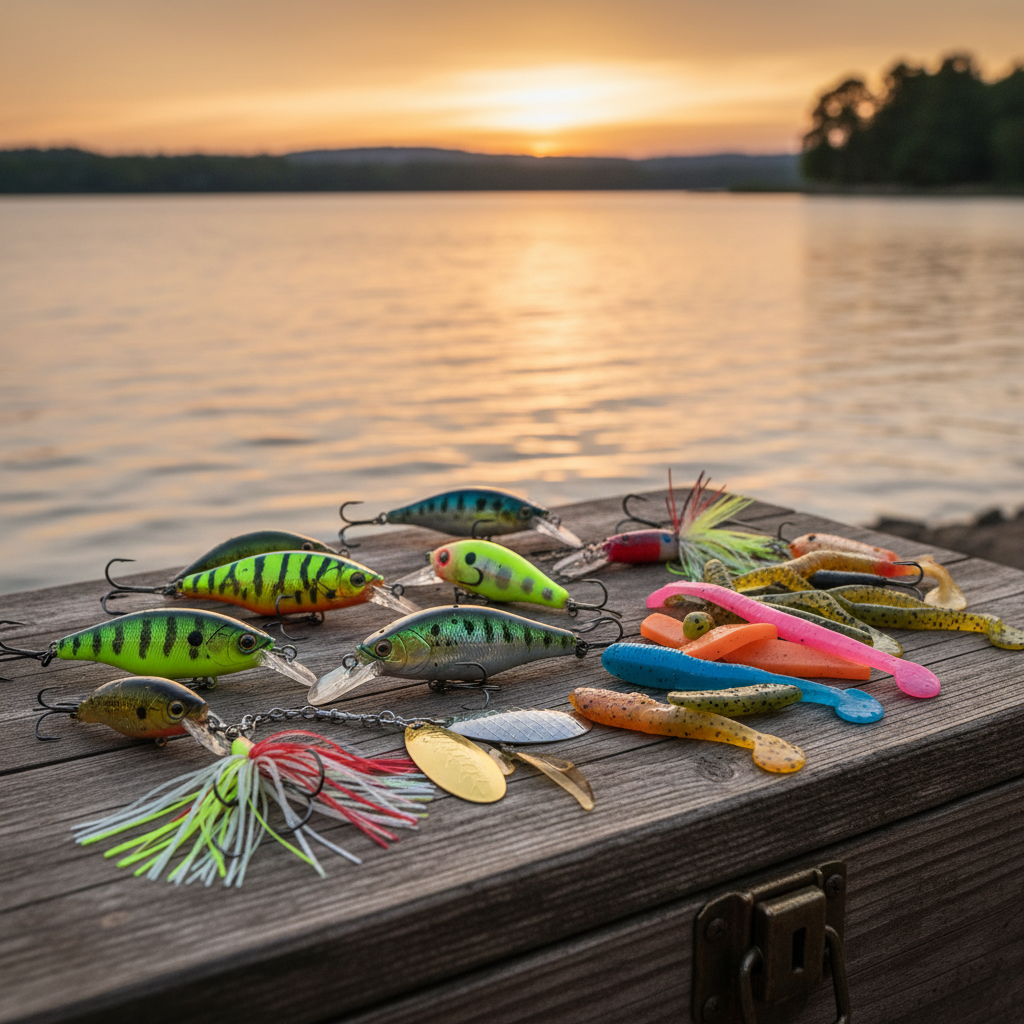
Crankbaits are hard-bodied lures designed to imitate baitfish. They come in various shapes and sizes, each with a different diving depth and action. The bill (or lip) on the front of the lure dictates how deep it dives and its wobble. Deep Diving Crankbait are excellent for targeting bass in deeper water or along ledges, while square-bill crankbaits excel in shallow, cover-rich areas, deflecting off obstacles without snagging.
- When to Use: Best for covering water quickly, especially when bass are actively feeding or scattered. Effective in stained to clear water.
- Retrieve: A steady retrieve is often effective, but experimenting with pauses and erratic twitches can trigger strikes.
2. Spinnerbaits
Spinnerbaits are known for their flash and vibration, making them highly effective in stained or murky water. They consist of a wire frame with one or more blades (Colorado, Willowleaf, Indiana) that spin, creating an attractive disturbance. The skirt, typically made of silicone or rubber, adds bulk and movement, mimicking a fleeing baitfish or crawfish. Classic Spinnerbait Set is a versatile option for various conditions.
- When to Use: Excellent for fishing around heavy cover like lily pads, submerged timber, and brush. Great in windy conditions or low light.
- Retrieve: A steady retrieve, slow-rolling along the bottom, or even burning it just below the surface can all be effective.
3. Jigs
Jigs are incredibly versatile and can imitate a wide range of prey, from crawfish to baitfish. They consist of a weighted head and a skirt, often paired with a soft plastic trailer for added bulk and action. Different jig types include football jigs, swim jigs, and flipping jigs, each designed for specific presentations.
- When to Use: Ideal for targeting bass in heavy cover, pitching to specific targets, or dragging along the bottom. Effective year-round.
- Retrieve: Slow and deliberate, often involving short hops, drags, and shakes to imitate a crawling creature.
4. Soft Plastics
Soft plastics are arguably the most versatile category, encompassing worms, creature baits, swimbaits, and grubs. Their lifelike action and endless rigging possibilities make them irresistible to bass.
- When to Use: Effective in almost any situation, from wacky rigging a worm for finicky bass to Texas rigging a creature bait in thick cover.
- Retrieve: Highly dependent on the specific bait and rigging, but generally involves subtle movements, pauses, and twitches.
Matching the Hatch: Key Considerations
Beyond the lure type, several factors influence your selection:
- Water Clarity: In clear water, natural colors and more subtle presentations are best. In stained or muddy water, opt for brighter colors (chartreuse, orange) and lures with more vibration and flash.
- Forage: Observe what the bass are eating. If you see shad, use shad-colored lures. If crawfish are abundant, a brown or green pumpkin jig is a good bet.
- Cover: Match your lure to the type of cover you're fishing. Weedless options are crucial in heavy vegetation.
- Depth: Use lures that reach the depth where the bass are holding.
- Time of Year/Water Temperature: Bass behavior changes with the seasons. In colder water, slower presentations are often more effective, while in warmer water, more aggressive lures can work wonders.
By understanding these principles and building a diverse lure arsenal, you'll be well-equipped to tackle any bass fishing scenario. Remember, experimentation is key – don't be afraid to try new things and let the bass tell you what they want!