
Choosing the Right Lure for Bass Fishing Success
Maximize your bass fishing success by learning how to select the perfect lure for any condition. Explore topwater, crankbaits, jigs, and soft plastics.
Unlock More Bites: Choosing the Right Lure for Bass Fishing Success
Bass fishing is an exhilarating sport, a constant challenge of wits between angler and fish. But even the most skilled angler can struggle if they're not using the right tool for the job – and in bass fishing, that tool is often the lure. With an overwhelming array of options available, knowing when and where to throw specific lures can drastically improve your catch rate. Let's dive into the world of bass lures and arm you with the knowledge to make informed choices on your next outing.
Understanding Bass Behavior: The Lure Connection
Bass are ambush predators, but their activity levels and preferences change with seasons, water temperature, depth, and available forage. A successful lure choice often mimics what bass are already eating or capitalizes on their natural instincts.
- Active Bass: When bass are aggressive and feeding, fast-moving reaction baits often shine.
- Passive Bass: When bass are lethargic or pressured, slower, more subtle presentations are usually more effective.
- Water Clarity: In clear water, natural colors and subtler actions are preferred. In stained or muddy water, brighter colors and more vibration can be key.
The Main Categories of Bass Lures and When to Use Them
1. Topwater Lures (Poppers, Walkers, Frogs):
- When to Use: Ideal for low-light conditions (dawn/dusk), overcast days, or when bass are actively feeding on the surface. Excels around shallow cover like lily pads or submerged grass.
- Why they Work: Mimic struggling baitfish, frogs, or insects, creating explosive surface strikes that are incredibly exciting.
2. Crankbaits (Shallow, Medium, Deep Divers):
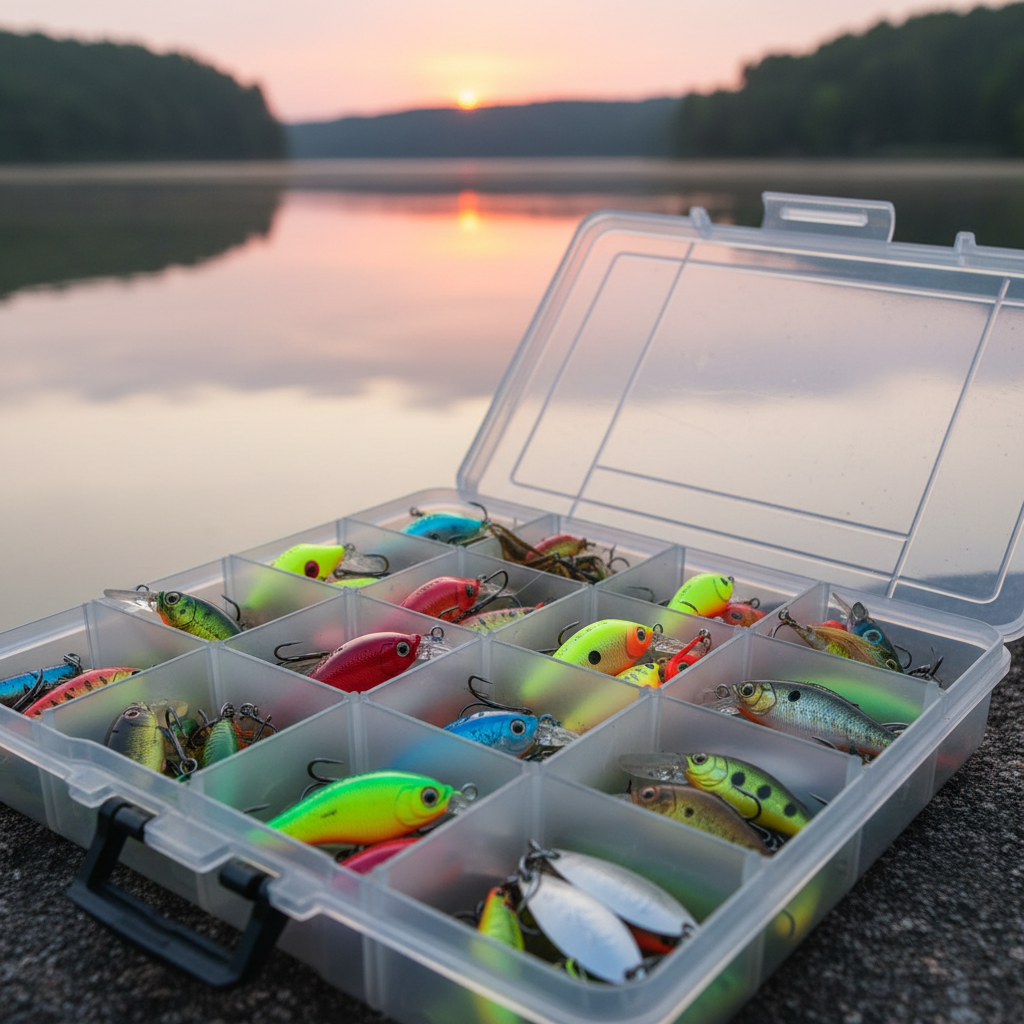
- When to Use: Versatile for covering water and targeting different depths. Shallow divers for</li> <br/> For a great all-around option, our Ultimate Crankbait Kit provides a variety of diving depths and colors to get you started.
- Why they Work: Their wobbling and erratic action imitate fleeing baitfish, triggering reactive strikes.
3. Jigs (Football, Flipping, Swim Jigs):
- When to Use: Excellent for targeting bass in heavy cover (wood, rocks, docks). Football jigs are great for dragging along the bottom, while flipping jigs penetrate dense cover.
- Why they Work: Mimic crawfish or baitfish, offering a compact, weedless presentation that can be worked slowly and precisely.
4. Soft Plastics (Worms, Senkos, Grubs, Swimbaits):
- When to Use: Incredibly versatile. Texas-rigged worms are weedless and effective in cover; wacky-rigged Senkos have a seductive fall in open water; swimbaits imitate larger forage.
- Why they Work: Their soft texture and lifelike action are highly appealing to bass. They can be presented in countless ways to match various conditions.
Pro Tips for Lure Selection
- Match the Hatch: Observe what baitfish or insects are present in the water and choose a lure that closely imitates them in size, shape, and color.
- Consider Water Color: Use brighter, more contrasting colors (chartreuse, orange) in murky water. Opt for natural colors (greens, browns, silver) in clear water.
- Experiment: Don't be afraid to try different lures until you find what the bass are responding to. Sometimes, a subtle change can make all the difference.
- Understand Retrieve Speed: The speed at which you retrieve your lure can be as important as the lure itself. Experiment with fast, slow, and erratic retrieves.
By understanding the strengths of different lure types and applying them to the conditions you face, you'll not only catch more bass but also gain a deeper appreciation for the art of bass fishing. Tight lines!