Choosing the Best Spinner Lures for Trout
Discover how to pick the perfect spinner lures for trout. Learn about color, size, and blade types to increase your catch rate on your next fishing trip.
Spin Your Way to Success: Choosing the Best Spinner Lures for Trout
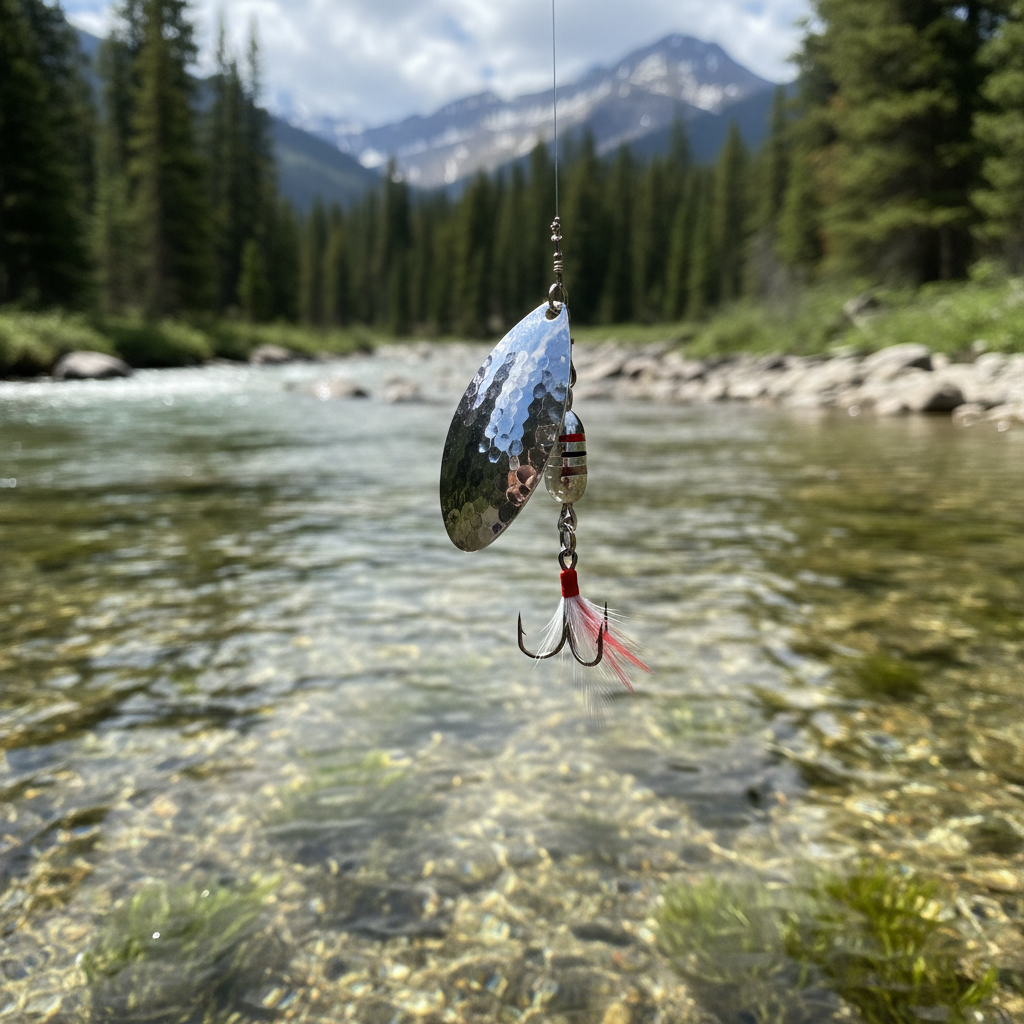
Trout fishing is an art, and every artist needs the right tools. When it comes to artificial lures, spinnerbaits are undeniable masterpieces, consistently enticing strikes from wary trout in rivers, streams, and lakes alike. Their unique combination of flash, vibration, and erratic movement makes them irresistible. But with a dizzying array of options available, how do you choose the best spinner lures to fill your creel?
This guide will break down the key factors in selecting the perfect spinner for your next trout adventure, ensuring you spend less time guessing and more time reeling.
Understanding the Trout's Perspective
To pick the best lure, it helps to think like a trout. Trout are opportunistic predators, feeding on insects, small baitfish, and crustaceans. A spinner’s job is to mimic these natural food sources, either by appearing to be an easy meal or by triggering an aggressive, territorial strike. The flash of the blade imitates fish scales, while the vibration can mimic a struggling insect or a small fish darting through the water.
Key Factors in Spinner Selection
When standing in front of a wall of glittering spinners, consider these elements:
1. Size Matters: Matching the Hatch (or the Mouth!)
One of the most crucial aspects is lure size. Too large, and a trout might be intimidated or simply unable to fit it in its mouth. Too small, and it might not grab enough attention. A good rule of thumb is to start small and adjust if needed.
- Small Streams/Finesse Fishing: For smaller streams with wary trout, or when targeting smaller species, spinners in the 1/16 oz to 1/8 oz range are ideal. These offer a subtle presentation.
- Medium Rivers/Lakes: For average conditions, 1/8 oz to 1/4 oz spinners are versatile and effective.
- Large Rivers/Aggressive Fish: If you're targeting larger trout in strong currents or deeper lakes, you can go up to 3/8 oz, but rarely larger for trout specific applications.
2. Color Me Impressed: What Hues Attract Trout?
Spinner color isn't just about aesthetics; it plays a vital role in how visible and appealing your lure is under various conditions. A general rule of thumb is to use natural, subtle colors in clear water and brighter, more vibrant colors in murky water or on overcast days.
- Clear Water/Sunny Days: Silver, gold, black, brown, and olive are excellent choices. They mimic natural baitfish and insects without being overly aggressive.
- Cloudy Days/Murky Water: Chartreuse, orange, bright pink, and fire tiger patterns stand out better in low visibility. The contrast helps trout locate your lure.
- Special Considerations: Some anglers swear by specific colors for certain species, like blue/silver for steelhead or rainbow trout.
3. Blade Design: Flash and Vibration
The shape and design of the spinner blade dictate its action, flash, and vibration. The main types you'll encounter are:
- Willow Leaf: Long and slender, these blades produce less vibration but a lot of flash. They are excellent for fast retrieves or when trout are keying in on visual cues. They cut through the water efficiently.
- Colorado: Round and wide, Colorado blades produce maximum vibration and a slower retrieve speed. They are great for murky water, slow retrieves, or when you want to really